Safety-net retrenchment is a predicable factor related to increased risk for child welfare involvement. When new policies limited accessibility and eligibility to important programs, including those providing food and health care, children and families begin to suffer. The United States offers a current, well-documented case: since 2025, federal cuts to Medicaid and SNAP, tightened eligibility rules, and intensified immigration enforcement have exacerbated worsening economic conditions related to family income and stability, with disproportionate impact on children in poor, rural and immigrant families. Poverty is the strongest predictor of child welfare system involvement, so these changes carry direct consequences for child safety.
Recognizing the impact of federal policy and local level impact, this brief draws two lessons for governments everywhere.
First, adopting a set of core principles - protecting safety net services, integrating economic assistance with child welfare prevention, and building services around equity and data can help buffer families from harmful federal policy impacts.
Secondly, tangible investment and linking core principles with broader strategic goals provides important structure for improving child and family outcomes. Fairfax County, Virginia demonstrates these principles in practice: despite federal disruption, it has sustained strong outcomes through prevention investment and coordinated local services.
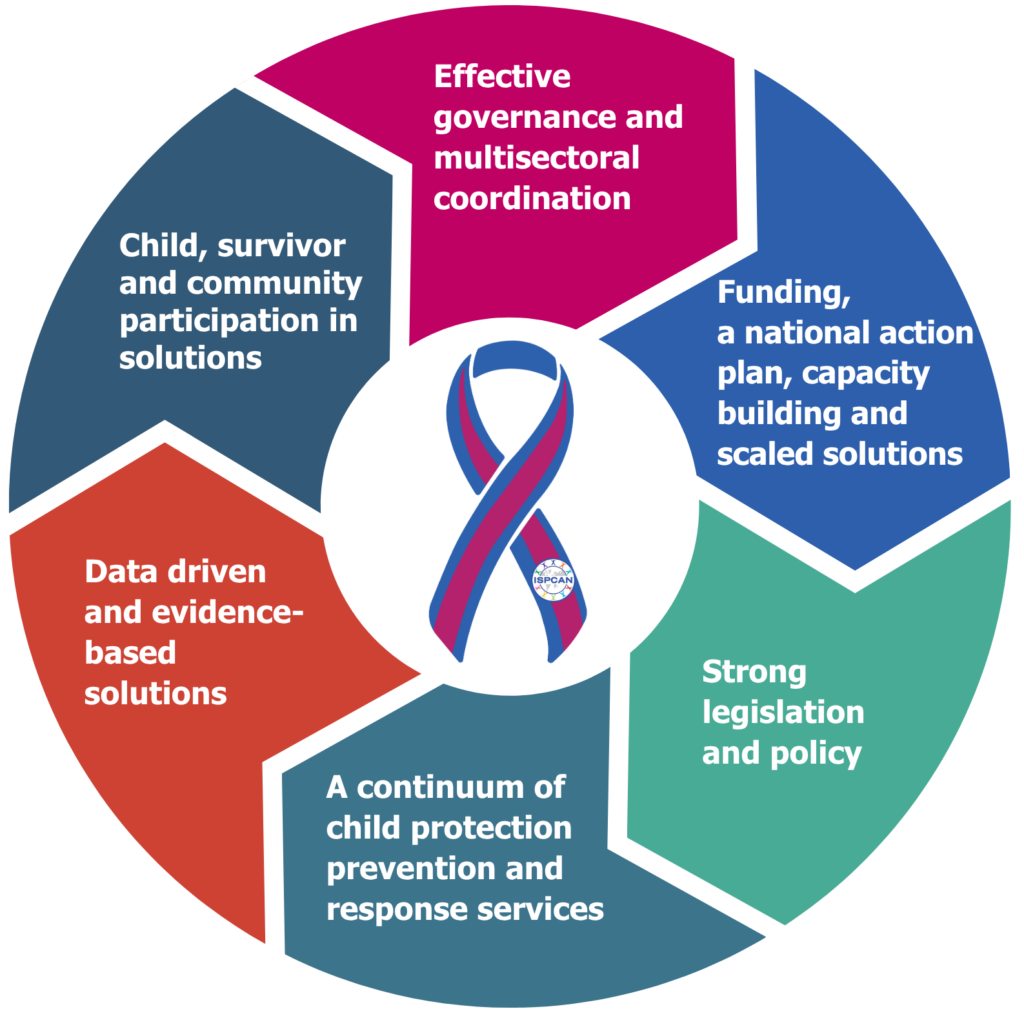
This brief shares US-specific recommended legislative priorities for federal and state policymakers, and transferable principles for governments navigating similar pressures.