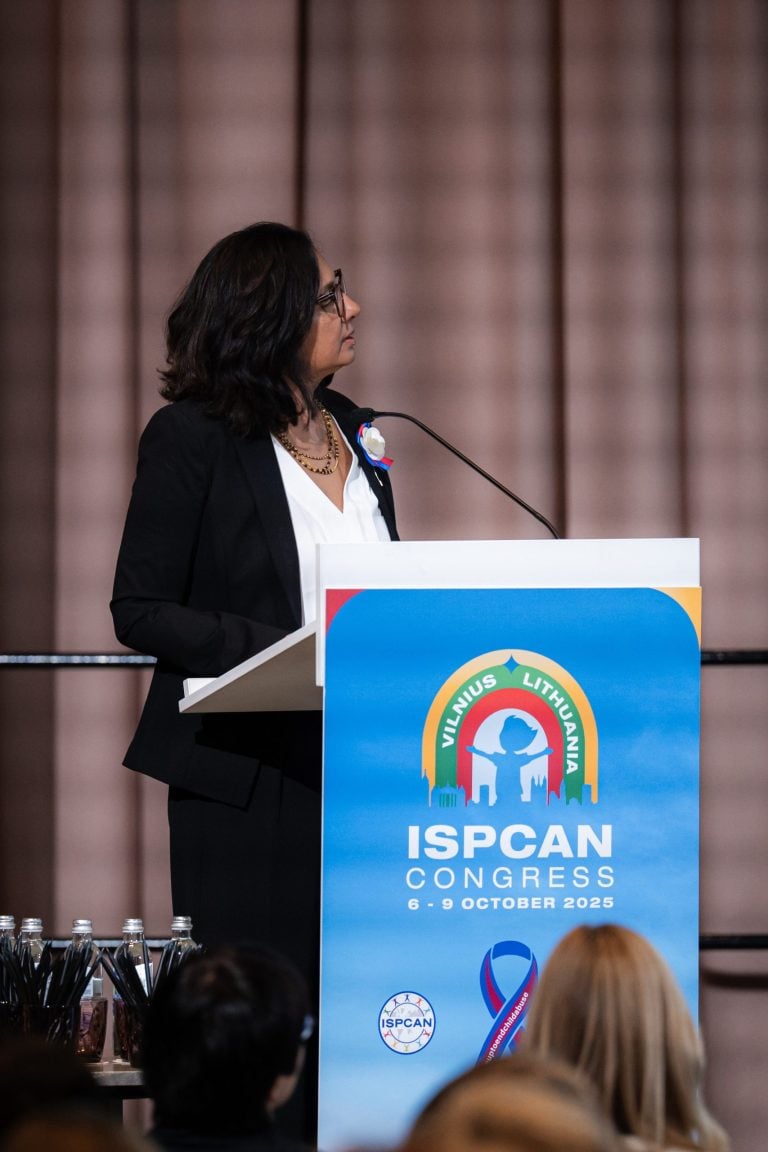
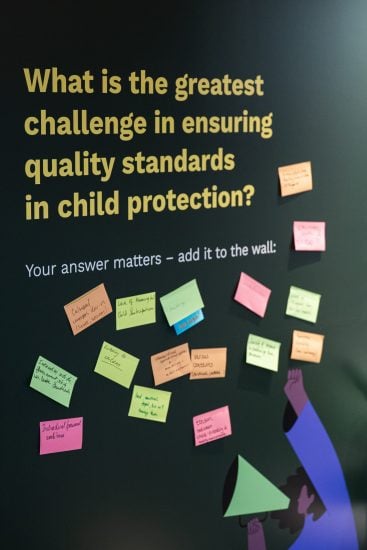
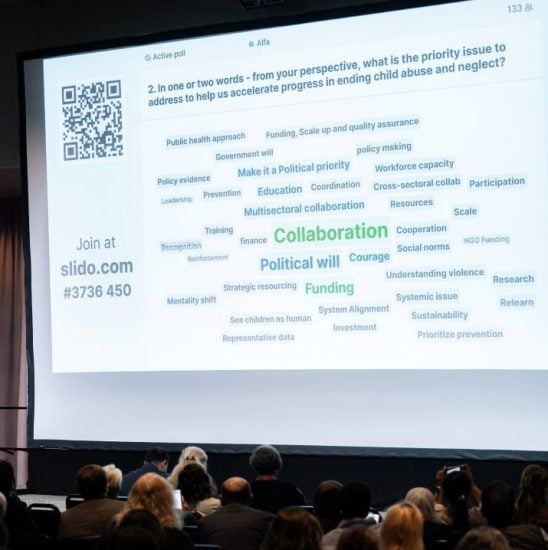
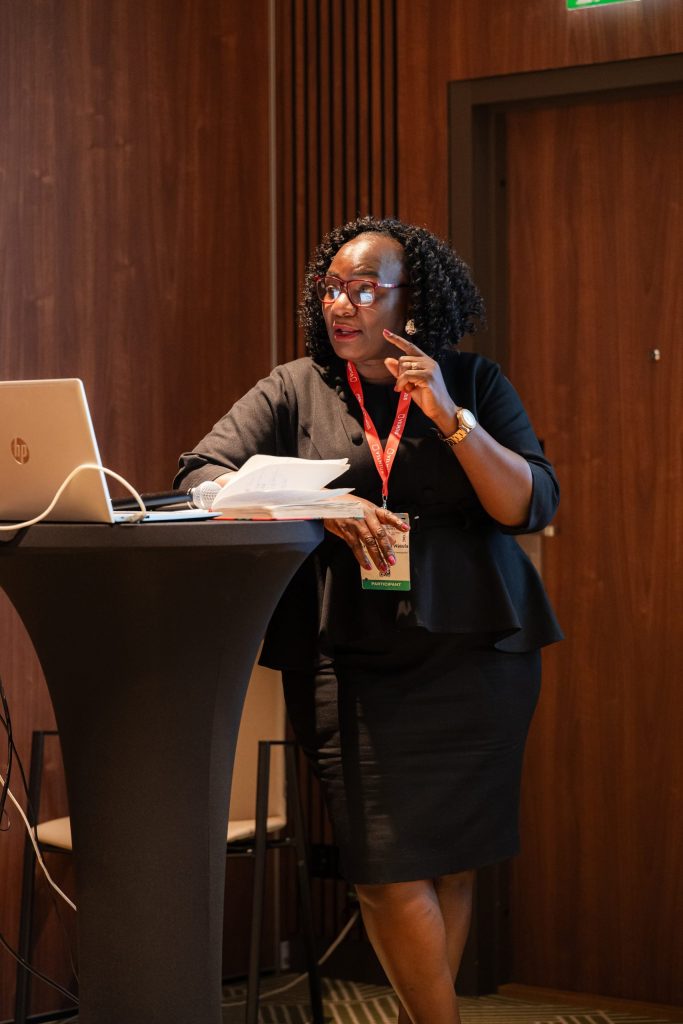
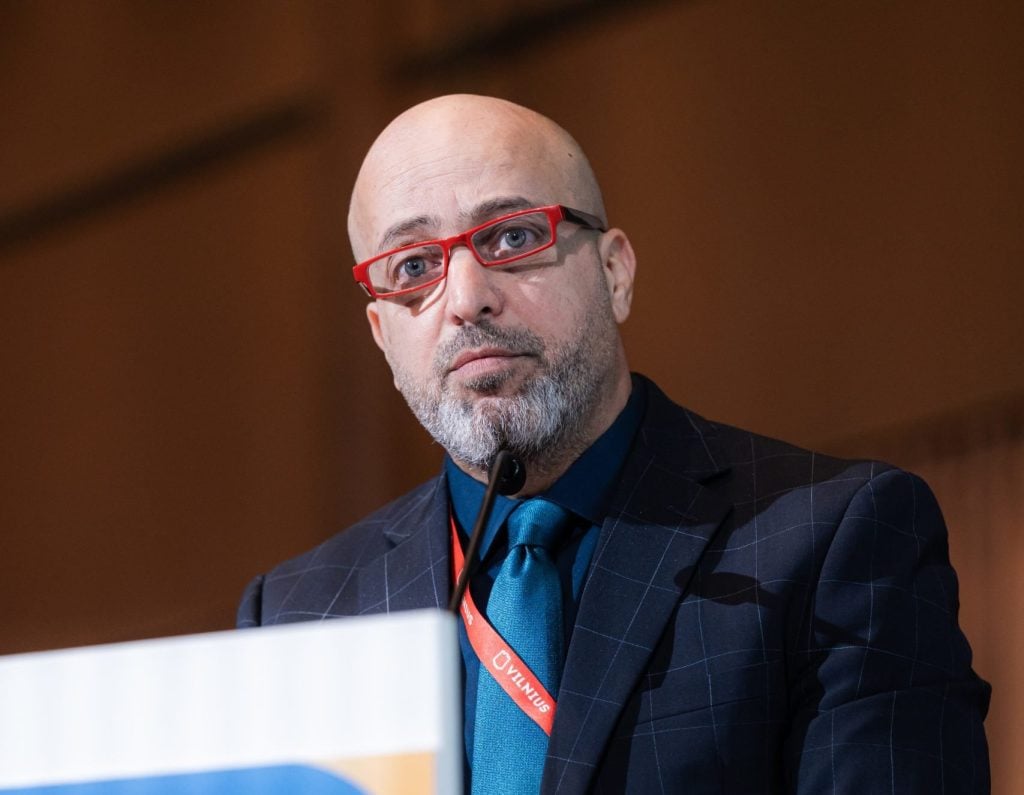
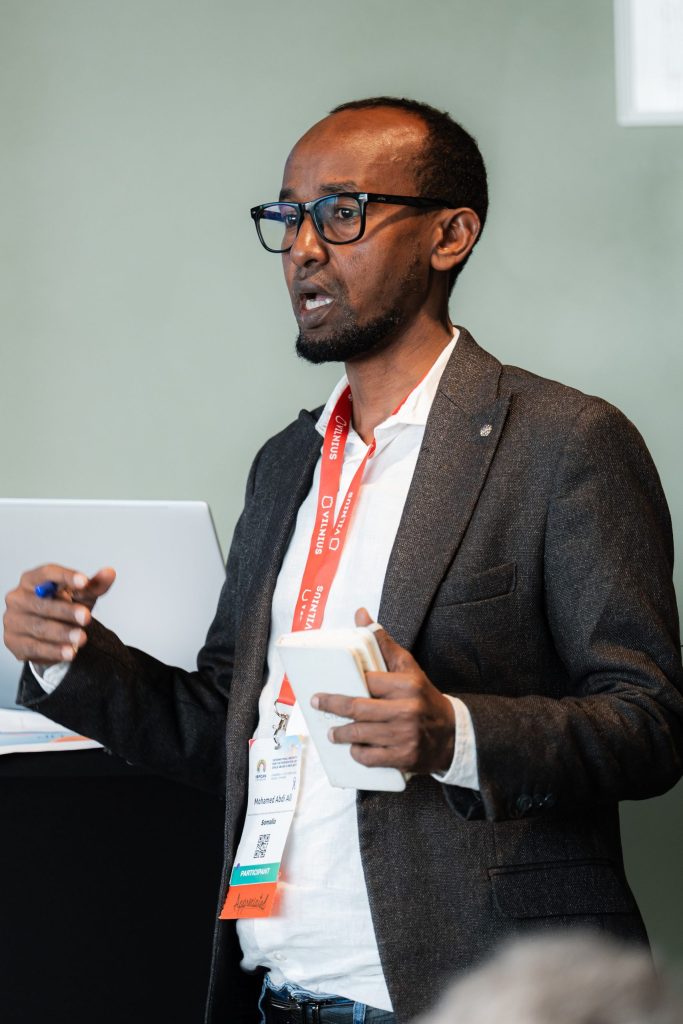
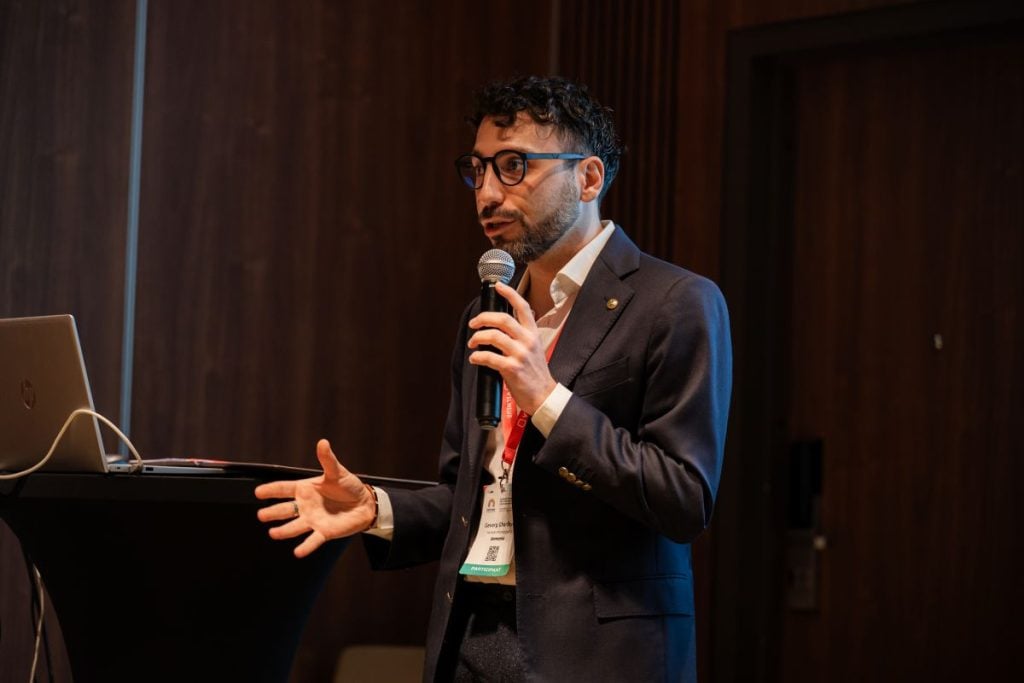
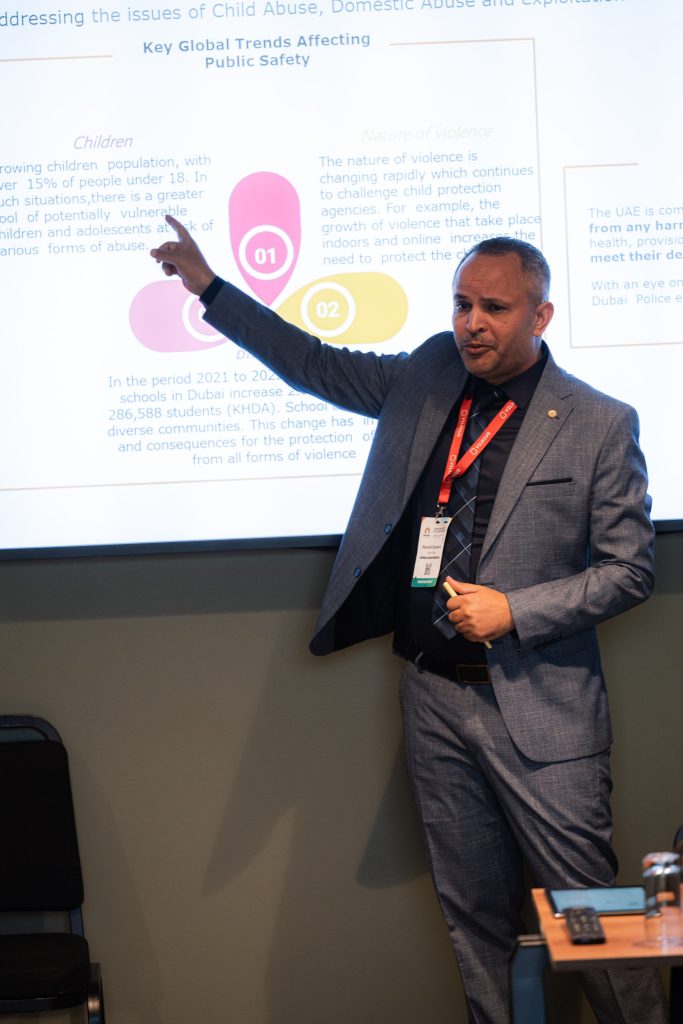
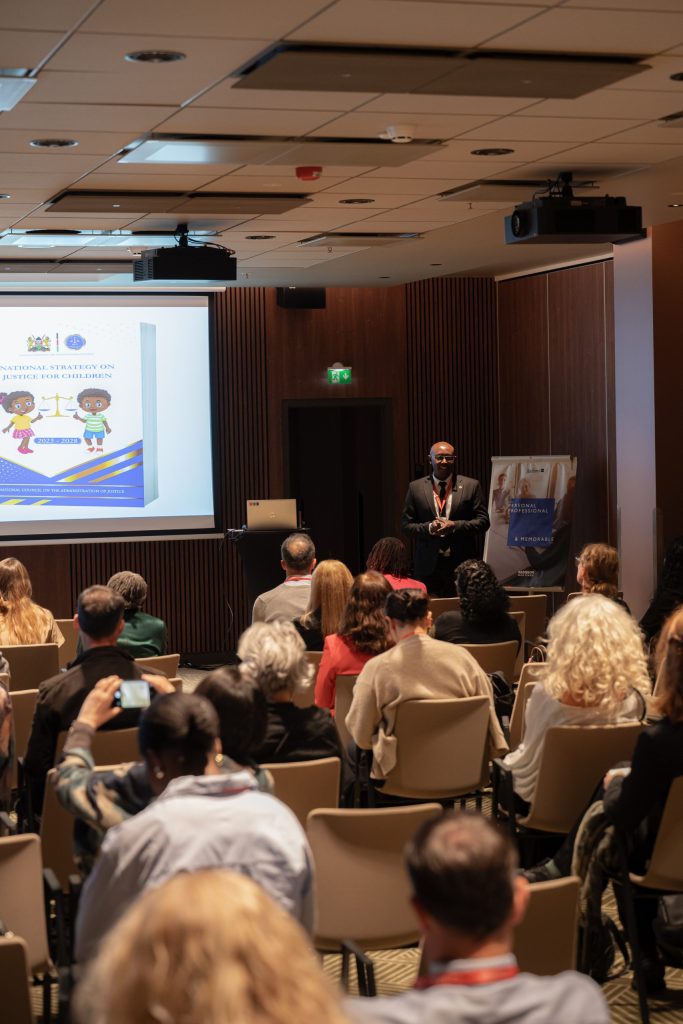
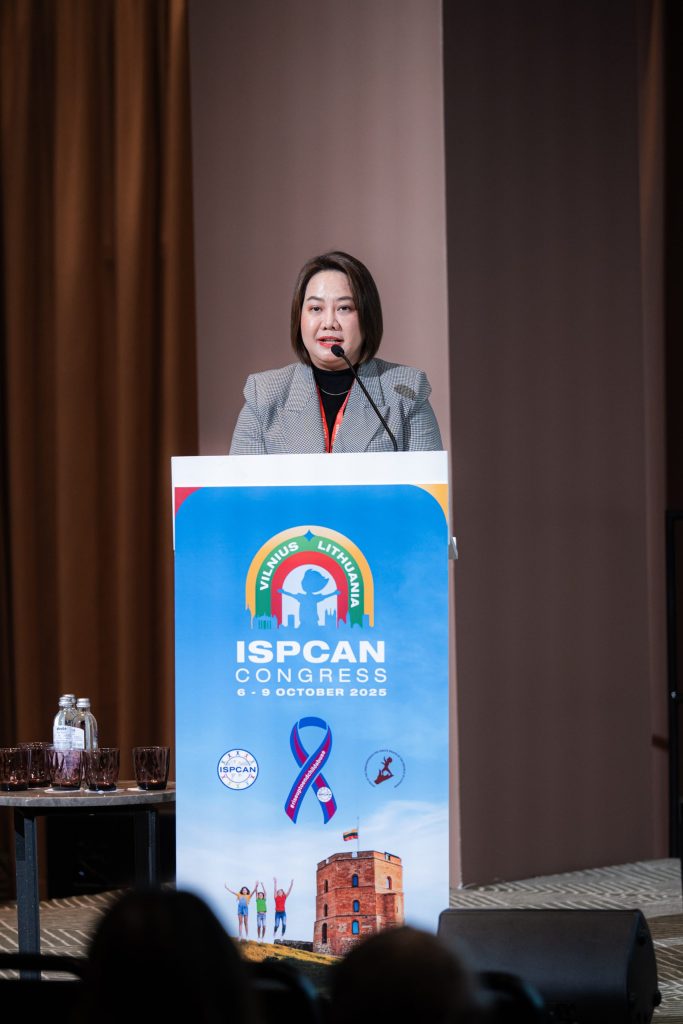
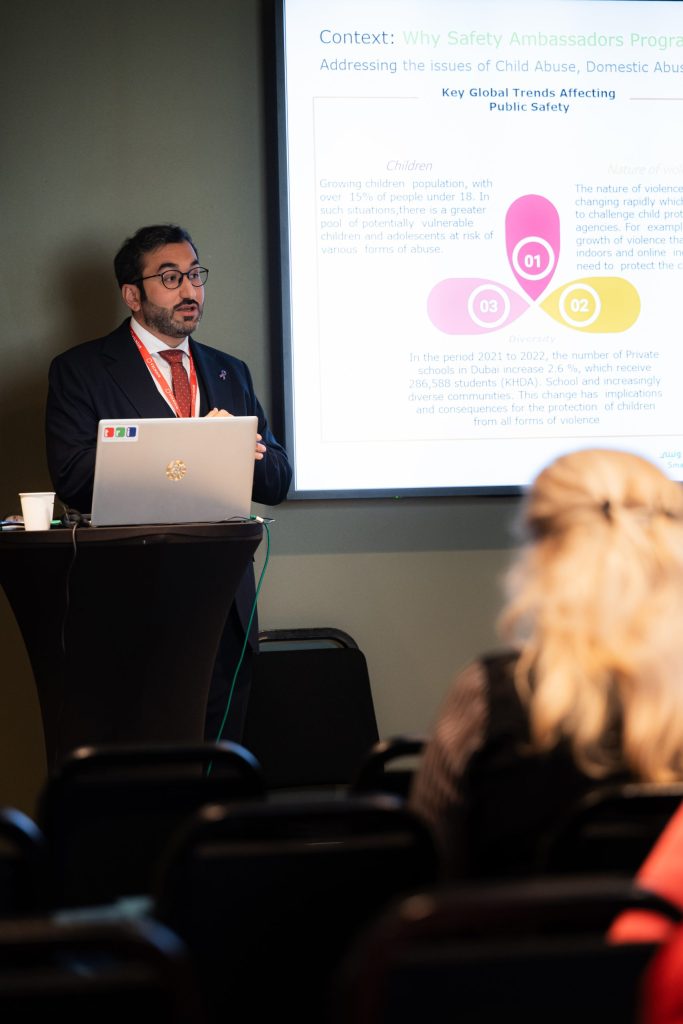
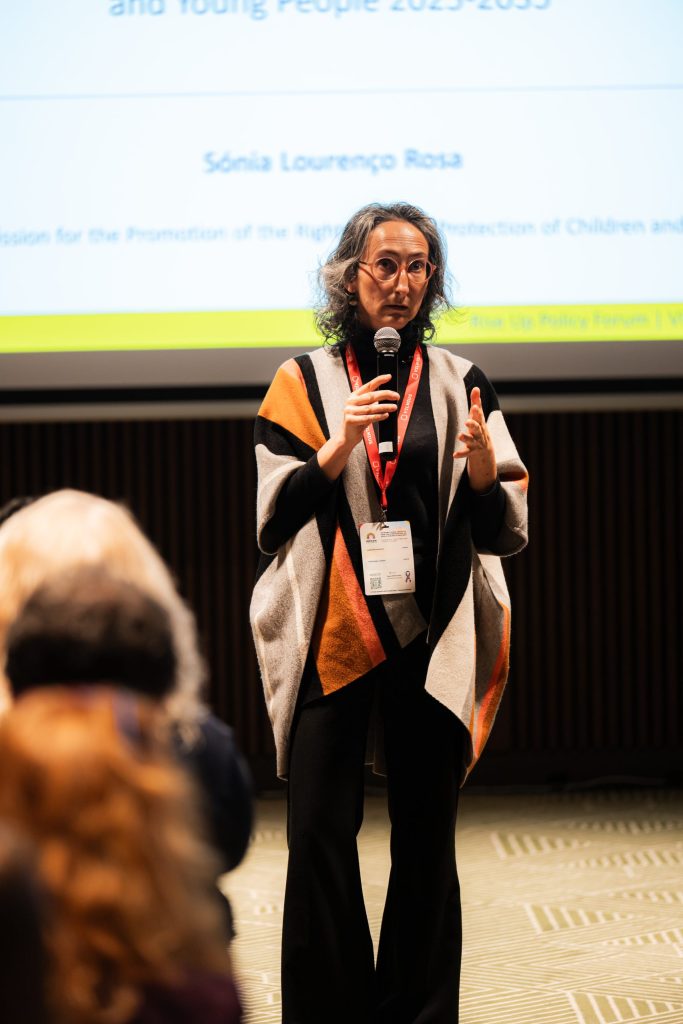
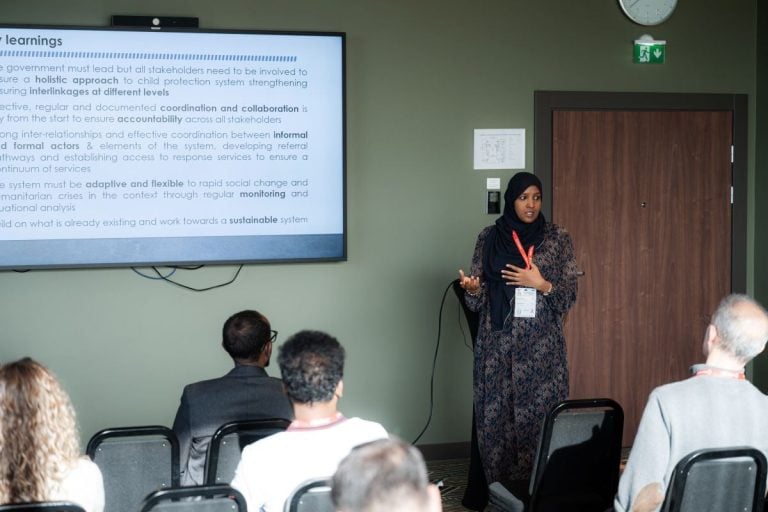
This first ever Rise Up Policy Forum was opened by Jūratė Zailskienė, Lithuanian Minister of Social Security and Labour and Najat Maalla M’jid, Special Representative of the Secretary-General on Violence Against Children. The CEO of ISPCAN, Pragathi Tummala, who envisioned and created this innovative new learning forum to accelerate progress in child protection and translate country pledges made at the 2024 Ministerial Conference on Ending Violence Against Children into action– set the tone for how we need to think and act differently.
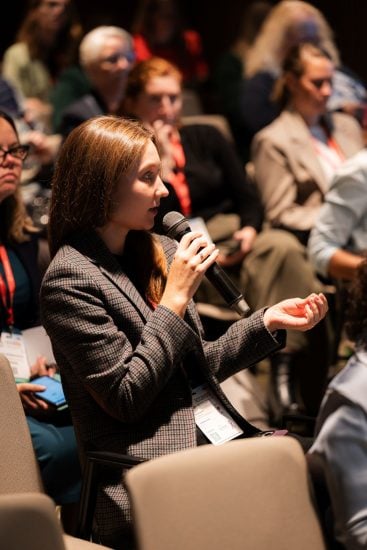
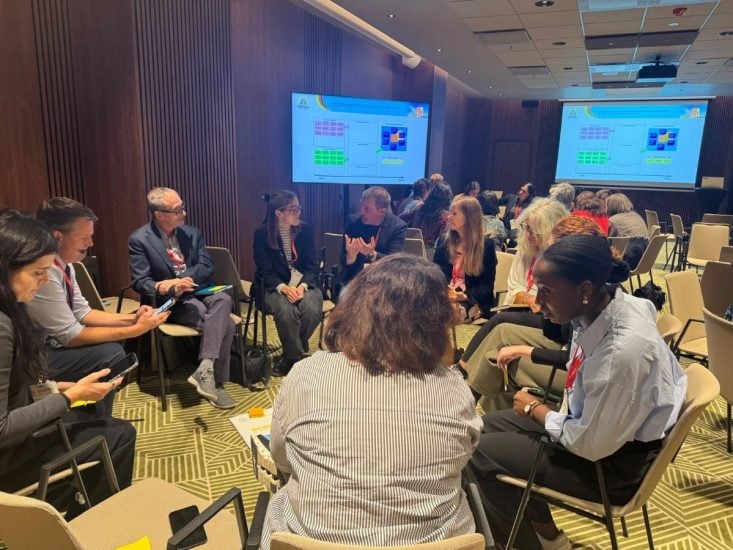
ISPCAN boldly launched the Rise Up Policy Forum in Vilnius at the ISPCAN 2025 Congress, focusing the fourth day of the international gathering on solutions. The Forum was attended by 270 multi-sectoral experts including 63 government delegates, researchers, practitioners, NGOs, survivors and activists, funders and policy makers from 60 countries.
The Policy Forum aimed to accelerate progress in ending child abuse and neglect in a provocative new way by:
“Governments have the hardest job of all to manage many priorities and oversee the welfare of a nation. We have to help them be successful by bringing the research, practice and policy together so HOW to best care for children is not only on them to figure out. Addressing the challenges, maximizing resources and finding solutions is our collective responsibility.”
Pragathi Tummala, ISPCAN CEO
Multi-sectoral perspectives on the way forward
We were delighted to be joined by government delegates from 26 countries including Armenia, Bulgaria, Cayman Islands, China, Denmark, Estonia, France, Greece, Hong Kong, Iceland, Jordan, Kenya, Lithuania, Madagascar, Malaysia, Mauritania, Mexico, Namibia, Netherlands, Portugal, Peru, Singapore, Somalia, Taiwan, Thailand, Uganda, UAE, and the UK, among others.

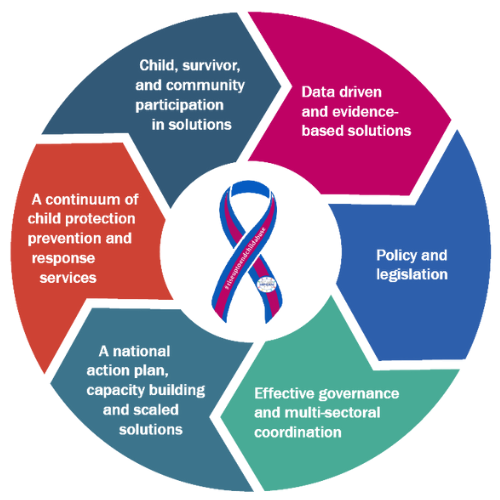
Primary Pillar(s): Data and evidence
Primary Pillar(s): Governance and multi-sectoral coordination , A National Action Plan, capacity building and scaled solutions
Primary Pillar(s): A National Action Plan, capacity building and scaled solutions
Primary Pillar(s): Child, survivor and community participation
Primary Pillar(s): Governance and multi-sectoral coordination , A National Action Plan, capacity building and scaled solutions
Primary Pillar(s): Data and evidence, A National Action Plan, capacity building and scaled solutions
Primary Pillar(s): Governance and multi-sectoral coordination , A National Action Plan, capacity building and scaled solutions
Primary Pillar(s): A continuum of prevention and response services
Primary Pillar(s): Governance and multi-sectoral coordination
Primary Pillar(s): Data and evidence, A National Action Plan, capacity building and scaled solutions
Primary Pillar(s): A National Action Plan, capacity building and scaled solutions
Primary Pillar(s): Data and evidence
Primary Pillar(s): A National Action Plan, capacity building and scaled solutions, A continuum of prevention and response services
Primary Pillar(s): Governance and multi-sectoral coordination , Child, survivor and community participation
Primary Pillar(s): Governance and multi-sectoral coordination , A continuum of prevention and response services
Primary Pillar(s): Governance and multi-sectoral coordination , Child, survivor and community participation
Primary Pillar(s): Governance and multi-sectoral coordination , A National Action Plan, capacity building and scaled solutions
Primary Pillar(s): A National Action Plan, capacity building and scaled solutions, A continuum of prevention and response services
Primary Pillar(s): A continuum of prevention and response services, Child, survivor and community participation
Primary Pillar(s): Data and evidence, Child, survivor and community participation
Primary Pillar(s): Governance and multi-sectoral coordination , A National Action Plan, capacity building and scaled solutions
Primary Pillar(s): Policy and legislation, Governance and multi-sectoral coordination