Artificial intelligence in child and family services: measuring impact and strengthening early intervention systems

Presented By:

Centre for Excellence in Child and Family Welfare
AnglicareVic_LOGO_HORZ_CMYK_PNG
Anglicare Victoria
Today
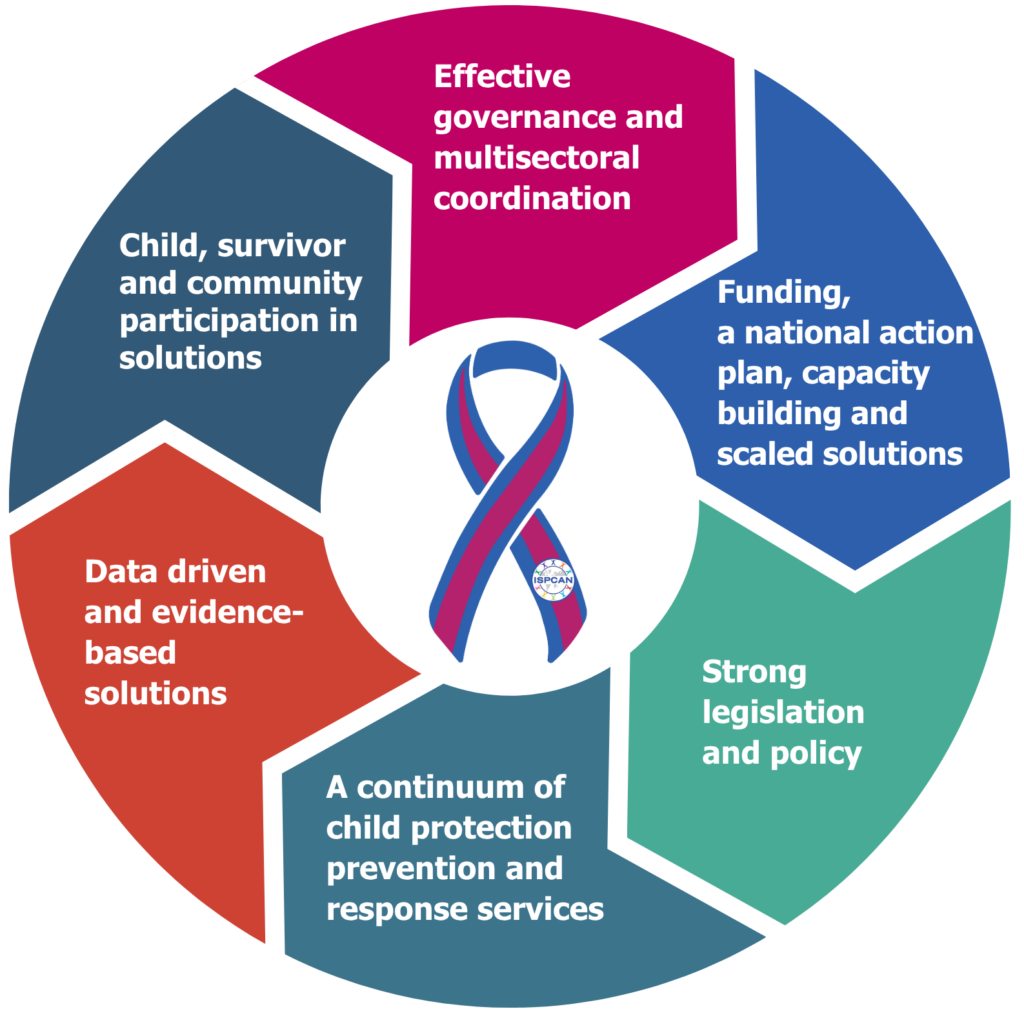
The Six pillars of success from the Rise Up Policy Forum.

AI offers significant potential to strengthen child and family service systems, enabling earlier identification of risk, more effective early intervention, and stronger evidence of impact. Applied poorly, however, it can reinforce inequity, undermine trust and cause harm.

This Mastermind session explores how AI is being responsibly applied within Victorian child and family services and what this means for prevention-focused child protection systems globally.

Drawing on perspectives from government, service delivery and human-centred design, the session examines how AI tools can be developed and governed ethically, transparently and with participation at their core.

Through a highly interactive format, participants will explore transferable frameworks, risks and conditions for using AI to strengthen early intervention, measure outcomes and support evidence-based policy and investment decisions—while safeguarding the rights, safety and trust of children and families.

Rise Up Session Date and Time:
August 27, 2026 11:30 am
Country or Region Focus:
Australia & New Zealand
Type of Session:
Multi-sectoral panel presentation with structured audience deliberation
Public Health Pillar Focus:
Effective Governance and Multi-Sectoral Coordination, A National Action, Capacity Building, and Scaled Solutions, Data Driven and Evidence Based Solutions

Speakers

Dr Carmel Goulding, Senior Manager, Growth and Development, Centre for Excellence in Child and Family Welfare

TBC, Government perspective, TBC

David Poynter, General Manager, Business Development & Research-Based Models, Anglicare Victoria

Mark Davis, Senior Leader, Today (Australian human-centred design and technology firm)

Session Aims

  • To showcase how AI is being applied in Victorian child and family services — across government, service delivery, and design — to strengthen early intervention targeting and measure impact.
  • To generate cross-country learning on the governance, ethical, and co-design conditions needed to apply AI responsibly in child protection systems.
  • To contribute to well-informed sector dialogue that can support governments and service systems in considering how AI might be harnessed as a force for good in child abuse prevention.

Session Format

Format Multi-sectoral panel presentation with structured audience deliberation.

Structure:

  • Minutes 0–5: Scene-setting. What does AI offer child protection systems — and what are the risks? Brief framing of the opportunity and the challenge. (Dr Carmel Goulding, facilitator)
  • Minutes 5–15: Government perspective. Early intervention framing to strengthen investment decisions and policy targeting.
  • Minutes 15–25: Service delivery perspective. How a community service organisation is applying AI tools in practice — lessons from implementation, impact measurement and working with families.
  • Minutes 25–35: Human-centred design perspective. What it takes to build AI tools that practitioners and families actually trust and use — co-design principles, ethics by design, and avoiding harm. (Mark Davis, Today — human-centred design firm) Centre for Excellence in Child and Family Welfare
  • Minutes 35–55: Structured audience deliberation. Facilitated small-group discussion - 'What would responsible AI in child protection look like in your context?' Groups explore opportunities, risks, and conditions. Key themes harvested and shared with the room.
  • Minutes 55–60: Collective synthesis. Facilitator draws out 3–5 transferable insights to anchor the session policy brief.