Search Suggestions

      Bridging the Knowledge Triad: Integrating Data, Practice-Based Expertise, and Lived Experience to Strengthen Child Protection

      Presented By:

      Together for girls Logo
      Together for Girls
      Brave_Movement
      Brave Movement
      SFH Logo
      Safe Futures Hub
      Kenya National Council of Justice
      National Council on the Administration of Justice, Government of Kenya
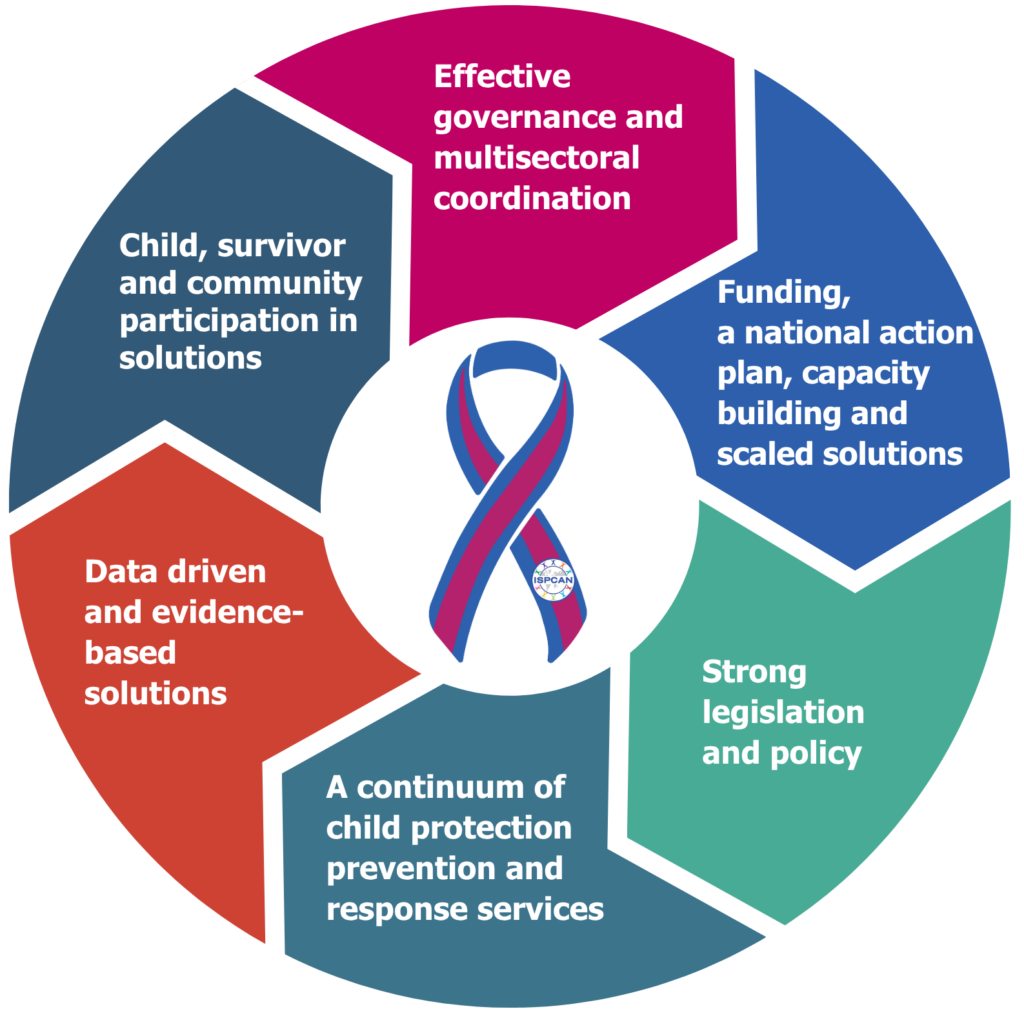
      The Six pillars of success from the Rise Up Policy Forum.

      Session Summary

      This interactive workshop will explore how the “knowledge triad” — scientific data, practice-based expertise, and the lived experiences of survivors, children, adolescents, and youth — can be integrated to create stronger, more responsive child protection policies and systems.

      In recent years, the global community has increasingly rallied around data and evidence as key to informing robust child protection systems and efforts to prevent and respond to violence against children. However, in resource-constrained contexts, data collection can be deprioritized. Further, practice-based knowledge (PBK) and lived experience expertise are critical but chronically underutilized forms of knowledge that ensure protection systems are responsive to community realities and lived experience, and to avoid resource-draining siloed approaches.

      Drawing on the Violence Against Children and Youth Survey (VACS) Data Dashboard and real-world examples of practice-based knowledge and survivor leadership from countries including Eswatini, Kenya, Uganda, Tanzania, and either France or Germany, the session will highlight:

      • How the VACS data-to-action process and other administrative data have driven legislative reform and national action plans to prevent and respond to violence against children.
      • The value of Practice-Based Knowledge (PbK) in identifying system gaps and developing informed solutions for unmet needs and specific groups.
      • How Survivor and Youth Councils institutionalize lived experience in governance.
      • Tools and pathways for integrating the triad model into national accountability frameworks.

      Participants will engage in collaborative exercises to identify actionable strategies for embedding the knowledge triad into their contexts. They will also provide feedback and insights to help improve sectoral strategies and enhance the use of the knowledge triad.
      Rise Up Session Date and Time:
      October 9, 2025 1:30 pm
      Country or Region Focus:
      Europe & Russia, Africa, Global
      Type of Session:
      Interactive Workshop
      Public Health Pillar Focus:
      Child, Survivor, and Community Participation in Solutions, Data Driven and Evidence Based Solutions, A Holistic Approach that Includes All of The Pillars
      Policy Brief: “Bridging the Knowledge Triad: Practical steps for integrating data, evidence, practice-based expertise, and lived experience into violence prevention and response efforts”

      Speakers

      Moderator: Chrissy Hart, Senior Director, Data to Action, Together for Girls


      Speakers:

      • Dr. Lina Digolo, Capacity Strengthening Specialist, Safe Futures Hub (Sexual Violence Research Initiative, Together for Girls, WeProtect Global Alliance)
      • Dr. Moses Marang’a, Executive Director, National Council on the Administration of Justice (NCAJ), Republic of Kenya
      • Constanza Ginestra, Research and Policy Specialist, Together for Girls
      • Michelle Duffy, Brave Movement Northern Ireland

      Session Aims

      By the end of this session, participants will:

        • Understand how integrating scientific data, practice-based expertise, and lived experience strengthens child protection governance.
        • Learn from country examples where the knowledge triad has driven policy and system change.
        • Explore practical tools for institutionalizing survivor, child, and youth participation in decision-making.
        • Co-create recommendations for embedding the triad model into national frameworks and share them via a post-session policy brief.