Search Suggestions

      Safe to Learn: A Breakthrough Approach to Ending Violence Against Children through Safe and Enabling Schools

      Presented By:

      STL New logo-01
      Safe to Learn
      TfG Logo (horizontal)
      Together for Girls
      CGD-logo
      Centre for Global Development
      Coalition_for_Good_Schools_logo_vert (002)
      Coalition for Good Schools
      NCFA LOGO
      National Council for Family Affairs, Jordan
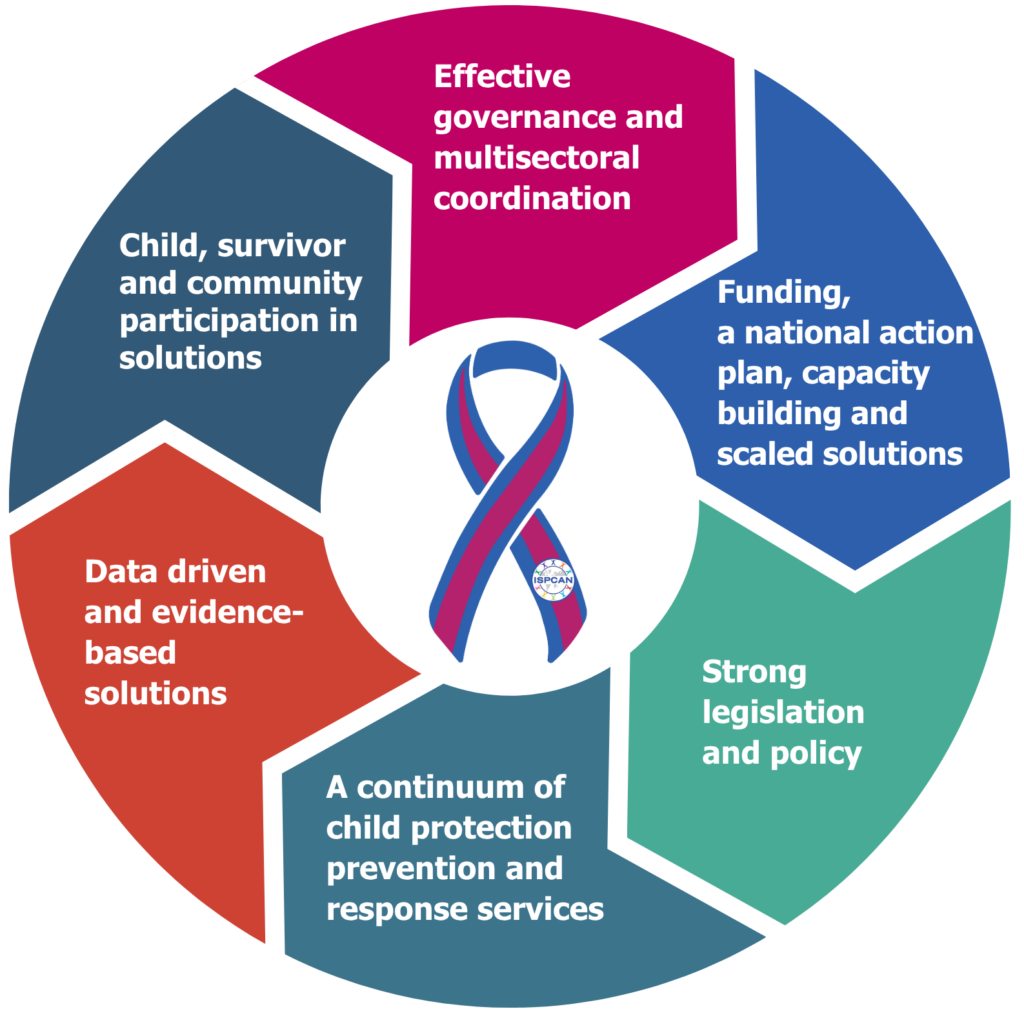
      The Six pillars of success from the Rise Up Policy Forum.

      Session Summary

      Safe to Learn partners are driving the global effort to make every school a safe, inclusive, and enabling place for children to learn. This session will spotlight how data and evidence can transform political pledges into real progress on ending violence in and around schools.  

      The newly launched CGD Data Hub for School-Related Violence offers a global repository of key surveys. Country presentations and case studies—featuring data collection efforts by Together for Girls—will highlight how stronger data can drive national strategies, enhance protection systems, and ultimately reduce violence in schools. The panel will bring together experts and government leaders to share practical tools, highlight cross-sector solutions linking education and child protection, and explore how evidence-driven approaches can strengthen systems and deliver on global commitments to keep children safe to learn. 

      Rise Up Session Date and Time:
      October 9, 2025 3:45 pm
      Country or Region Focus:
      Africa, Global
      Type of Session:
      Panel and country example presentations with audience discussion
      Public Health Pillar Focus:
      Effective Governance and Multi-Sectoral Coordination, A National Action, Capacity Building, and Scaled Solutions, Data Driven and Evidence Based Solutions, A Holistic Approach that Includes All of The Pillars
      Safe to Learn website
      Safe to Learn Technical Toolkit
      A New Data Hub for School-Related Violence Statistics
      Together for Girls Violence Against Children and Youth Surveys (VACs)

      Speakers

      Moderator: Kristen Hansen, Partnerships & Reporting Specialist, Safe to Learn

      Speaker: Gabriela Smarelli, Center for Global Development

      Speaker: Dr. Manuela Balliet Ahogo, Deputy Director, Data to Action, Together for Girls

      Speaker: Dr. Mohammed Meqdady, Secretary General of the National Council for Family Affairs, Jordan

      Speaker: Stella Ayo-Odongo, Coalition for Good Schools
      Session Aims

      • Share practical tools that link data, diagnostics, and systems strengthening to address VIS
      • Integrate practice with policy to drive action
      • Highlight collaborative, cross-sector solutions across education and child protection
      • Maximize impact through multisector collaboration
      • Engage stakeholders in dialogue on how to progress towards pledges on safe schools at VAC Ministerial Conference
      • Foster a learning community

      Expected Resources

      The session will generate a summary report capturing key insights, practical examples, and lessons learned from panelists and participants. This report may include:
      • Highlights of data-driven approaches to ending violence in and around schools, including the use of tools such as the CGD Data Hub for School-related Violence and the Safe to Learn Diagnostic Tool.
      • Country case studies illustrating how evidence-informed strategies can drive systemic change and reduce school-related violence.
      • Reflections on barriers and enablers to implementing VAC Ministerial pledges, as identified by speakers and audience members during the discussion.
      • Recommendations for policymakers and practitioners on integrating child protection into education systems.
      The summary report will be disseminated widely through the Safe to Learn Coalition website, social media, and mailing lists. It will also be shared with Rise Up Policy Forum participants and other relevant networks to foster broader uptake of the ideas and approaches discussed. Where appropriate, findings and recommendations may feed into:
      • Future Safe to Learn advocacy briefs and technical guidance.
      • ISPCAN learning resources and global campaigns to strengthen multi-sector collaboration on school safety.
      • Capacity-building efforts within national education and child protection systems, through webinars or follow-up workshops engaging country-level stakeholders.