Despite progress in child protection, abuse, neglect, and exploitation remain widespread, affecting over one billion children each year (UNICEF, 2024). This highlights a major weakness in current safeguarding systems, which mostly respond only after harm occurs.
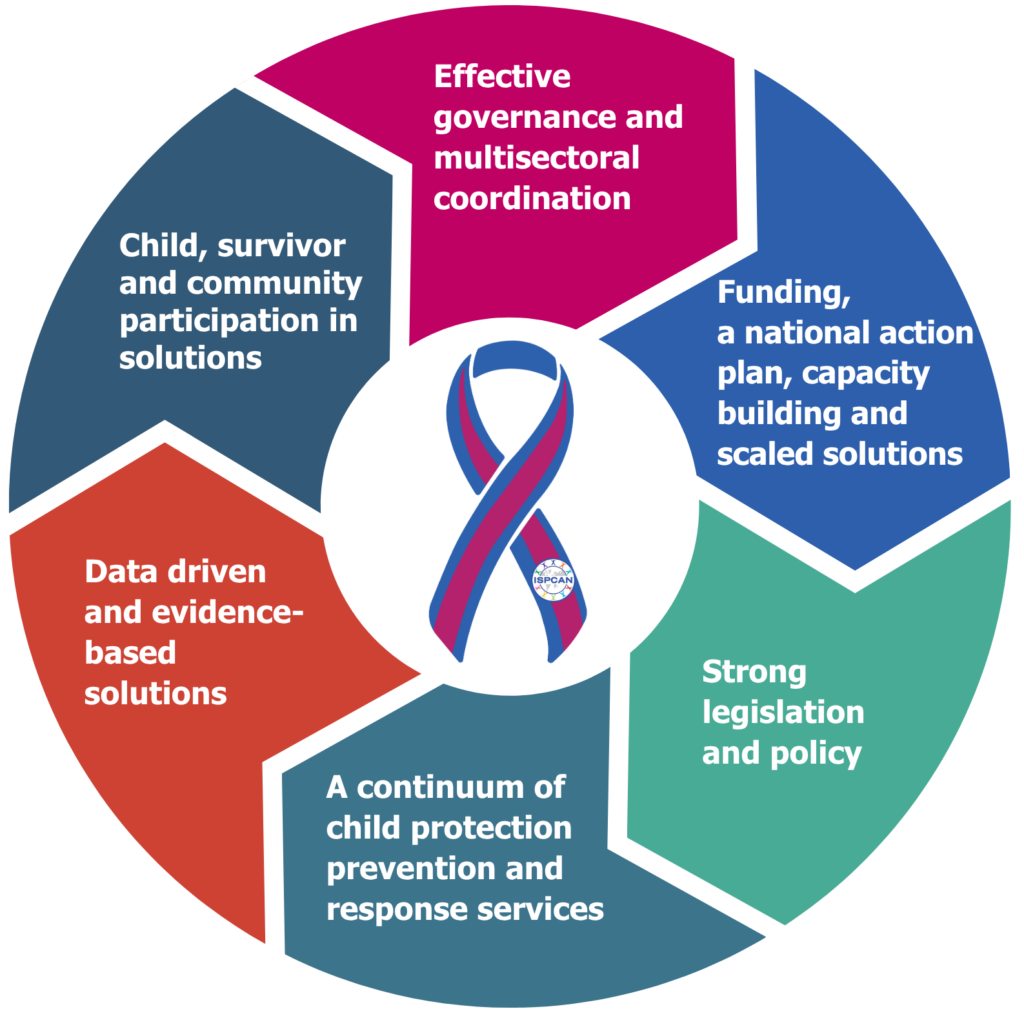
To address this, Safeguarding 5.0 is proposed as a new approach that shifts child protection from reactive responses to predictive, preventive, and participatory systems. It represents the next stage in safeguarding, moving beyond procedural and digital models toward an integrated framework that combines data intelligence, trauma-informed care, and community involvement.
Safeguarding 5.0 uses ethically governed predictive tools to identify early risk signs, such as absenteeism or psychosocial distress, and supports timely intervention. These tools are balanced with human-centered practices that strengthen families, communities, and institutions. By integrating data foresight with empathy, Safeguarding 5.0 aims to create child protection systems that are proactive, ethical, inclusive, and focused on resilience and healing.