



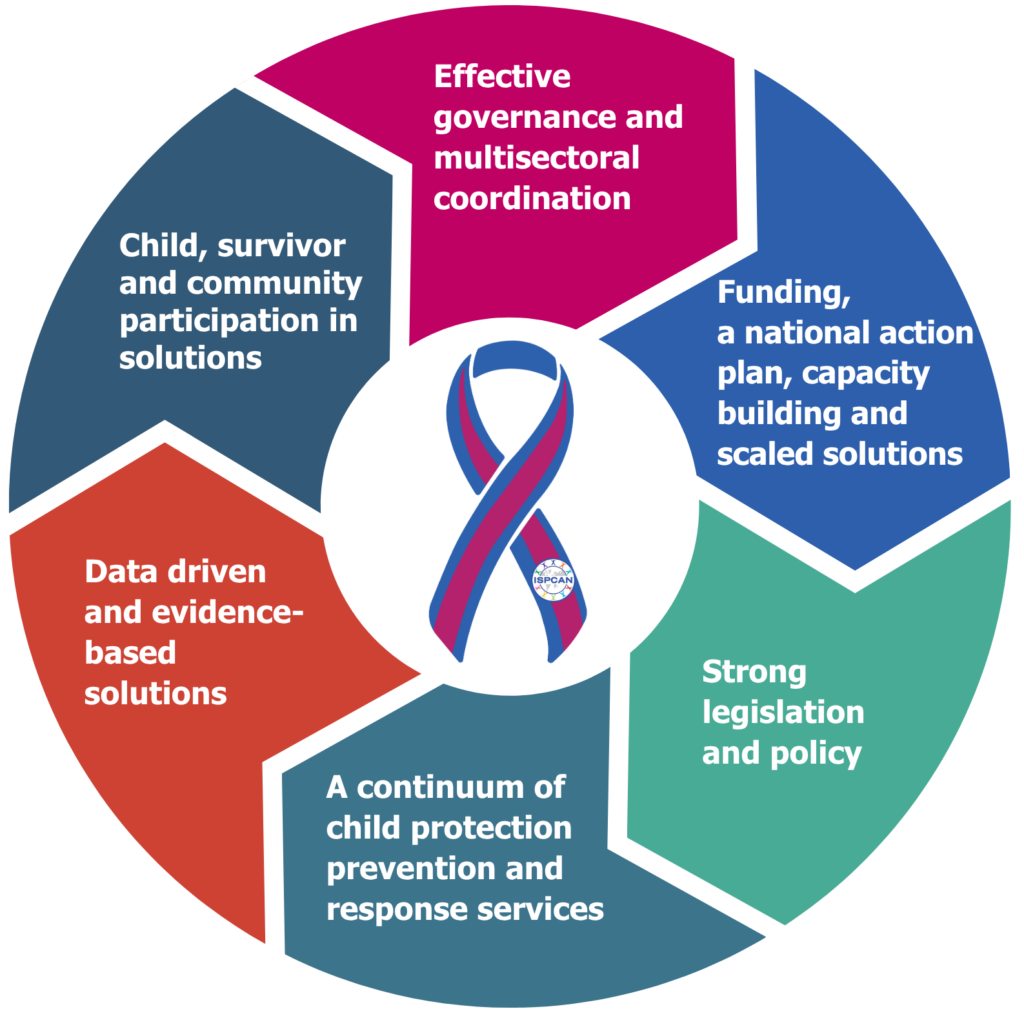
What is the child, in the eyes of the system? A rights-holder? A risk object? A developmental being shaped by attachment and relationship? A cultural being located in kin, Country and community? A case? A data point? This session starts from the proposition that the next reform era will fail unless we rethink the child more seriously than many current systems allow. Bringing together national leadership in children’s rights, First Nations children’s rights, and the Australian Government Department of Social Services, the session will unpack how current reform efforts are being shaped, and often destabilised, by narrow, competing or underdeveloped conceptions of the child. The session will examine what follows when policy, accountability, participation, relational practice and evidence are built on unstable foundations, and what it would take to rebuild child and family systems around a fuller account of the child as developmental, relational, rights-bearing and culturally located.
Co-moderators:
Dr Bengianni Halil-Pizzirani, Managing Director, Impact Initiative
Imogen Gerrarty, CEO, YLab
Formal speakers:
Deb Tsorbaris, National Children’s Commissioner
Sue-Anne Hunter, National Commissioner for Aboriginal and Torres Strait Islander Children and Young People
Chris Collett, Acting Deputy-Secretary, Attorney Generals Department, Government of Australia
1. To surface and interrogate the concept of the child already built into contemporary child and family systems, and to show why that question matters for the coherence and durability of reform.
2. To examine how current reform efforts are shaped, and often destabilised, by narrow, competing or underdeveloped conceptions of the child across policy, accountability, participation, relational practice, culture and evidence.
3. To generate a stronger foundation for the next reform era by identifying what it would mean to rebuild policy and system design around a fuller account of the child as developmental, relational, rights-bearing and culturally located.

The session will open with short framing remarks from the co-moderators (Dr Bengianni Halil-Pizzirani and Imogen Gerrarty), followed by brief opening responses from Deb Tsorbaris, Sue-Anne Hunter, and a Department of Social Services representative. Those opening contributions will be deliberately concise and used to put the central question on the table early: what view of the child is already built into our systems, and what follows when that view is too thin, too narrow, or too unstable to carry reform. Audience participation will be structured into the session from the beginning. Early on, participants will be invited to respond to a short live polling sequence designed to surface where the room sees the main tensions in current reform efforts, including where assumptions about the child are shaping policy, accountability, participation, evidence and system design. The results will be displayed in real time and used immediately by the moderators to identify the strongest points of convergence, disagreement and pressure in the room. From there, the discussion will move through a small number of focused questions, with audience contributions drawn in throughout rather than held back to the end. Short ranking and voting prompts will be used where useful to distinguish between areas of broad agreement and areas where the room sees genuine fault lines. This will allow the session to move beyond general endorsement and into sharper judgement about where reform is becoming unstable, why, and what that implies for policy and system design. The final part of the session will synthesise the strongest themes and tensions emerging from both the speakers and the audience. The moderators will test those back with the panel and the room in real time, drawing out the practical implications for reform and helping shape the key propositions that will carry through into the accompanying policy brief.