Children affected by violence often encounter fragmented responses from social welfare, law enforcement, health and justice systems. Without effective coordination, they may face repeated interviews, parallel assessments and delays in accessing support. This can cause retraumatisation, undermine disclosure, weaken evidence and place additional strain on professionals. A coordinated, child-centred, trauma-informed response is essential to ensure safety, recovery and fair judicial outcomes.
Key findings
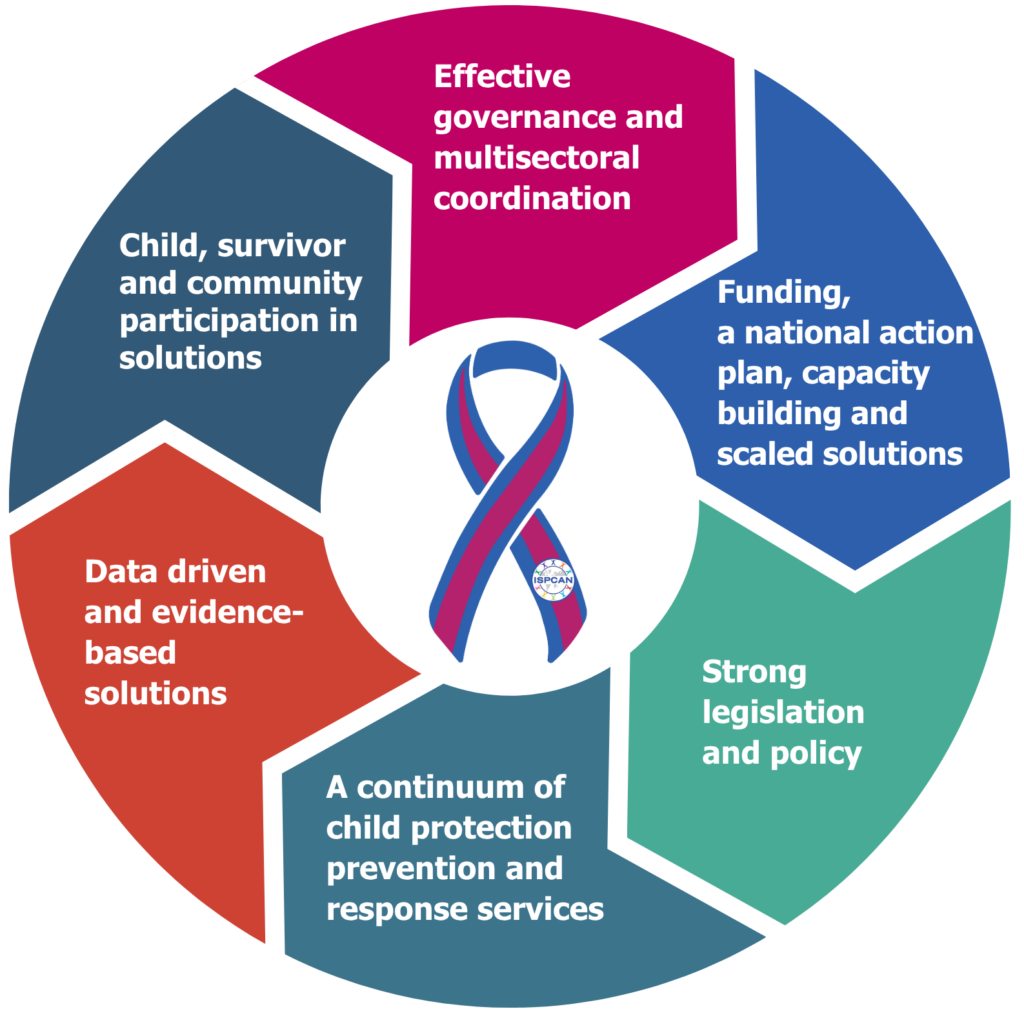
- Integrated, multidisciplinary services such as Barnahus reduce duplication, improve evidence quality and support children’s wellbeing.
- Effective responses, coordinated interventions and meaningful child, family and community participation generate high quality and impact.
- Sustainable investment and cross-sector ownership are critical, as are skilled teams and ongoing professional development.
- Common barriers include financial constraints, workforce shortages, limited training, weak information-sharing and adult-focused cultures.
Main recommendations
- Invest in system-wide change and create an enabling environment for Barnahus.
- Centre child, family and community participation in all stages of service design and delivery.
- Ensure shared ownership across sectors and embed Barnahus within national systems.
- Strengthen multidisciplinary teams through recruitment, training and supervision.
- Promote cross-national exchange to safeguard quality and adaptto emerging forms of violence.