Session details
Date and time
June 24, 2026 1:00 pm
Country or region focus
Africa
Type of session
Africa Huddle 2026
Public health pillar focus
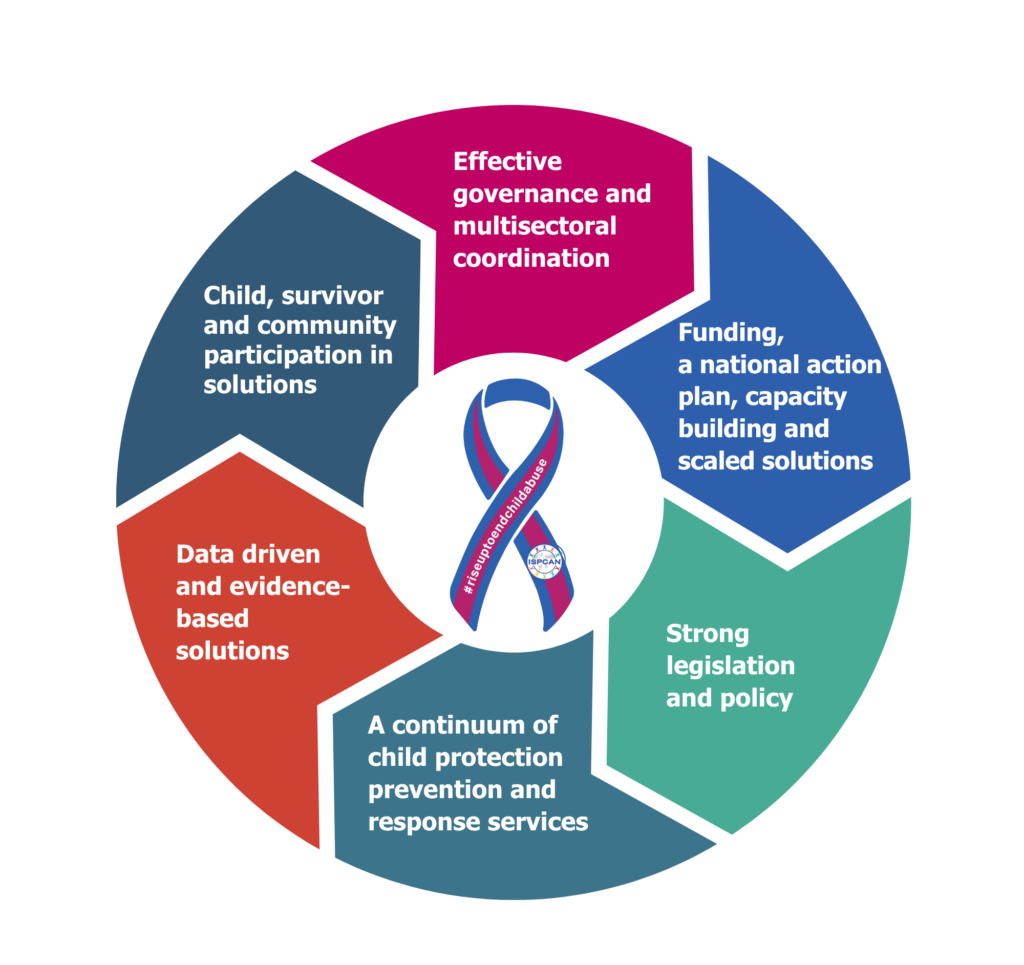
Effective Governance and Multi-Sectoral Coordination
Presented by:
Haruv Logo
The Haruv Institute
Batawana Logo
Bantwana
For attendees

Session resources

Slides, handouts and links for this session.

Downloadable resources

No resources available yet

External resources

ISPCAN Collaborative Framework Tool
About this session

Introduction of Huddle Case Study through AI Video

The Huddle case follows how a community member and a school teacher noticed concerns and followed up, before social welfare, police, health services, NGOs, and the justice system became involved. This session will explore what helped these links work, where gaps remained, and how support can continue beyond the immediate response.

1. What helps different people and services coordinate well across community, local government, and district levels and what makes coordination difficult in day-to-day practice?

2. How can cases move between services without delays, missed referrals, duplication, or unclear responsibilities?

3. Are children and families involved and kept informed as a case moves between services? How can their views, needs, and understanding of the process remain central?

4. What helps effective coordination continue over time despite staff changes, limited resources, or the end of projects?

5. What can be learned from examples where coordination worked well? What one or two changes, or small investments, could make the biggest difference?

About the Huddle model

The ISPCAN Huddle is a case-based, multidisciplinary learning and systems improvement approach that examines a real child maltreatment case through a 360-degree retrospective review framed by a public health perspective. Policy Huddles engage policymakers, NGO leaders, researchers and system administrators to identify systemic gaps, fiscal implications and policy reform opportunities.

Public health pillar focus

Effective Governance and Multi-Sectoral Coordination

Learning objectives

What participants will take away

What helps different people and services work well together at community, local government and district levels
In day-to-day work, what makes coordination difficult, and how to deal with these challenges in practice
What can help effective coordination continue over time, even when staff change, resources are limited, or projects end
How to keep children and their families involved and kept informed as a case moves between services and what could make this process better for them
How people across different services can be clear about who should do what, and when, so that a child receives a timely joined-up response
How effective coordination can support the child beyond immediate safety, for example, health care, emotional support, a safe place to stay, schooling, and longer-term recovery
Identify possible gaps between education and other services, as well as challenges in sustaining support and the practical changes could help close these gaps
Session leaders

Presented and led by

Jamie Image
Jamie Kakungulu
Senior Probation and Social Welfare Officer with Kabarole District Local Government
Jamie Kakungulu is a Senior Probation and Social Welfare Officer with Kabarole District Local Government and over 10 years of experience in child protection and social welfare. Her expertise includes child abuse investigations, counselling, family reintegration, social inquiry reporting, court participation and community advocacy. She collaborates with government agencies, law enforcement, the Judiciary and NGOs to safeguard children’s rights and strengthen child protection systems.
Ester Image
Ester Kazebu
Community Development Officer with Bunyangabu District Local Government
Ester Kazebu is a Community Development Officer with Bunyangabu District Local Government and over seven years of experience in community development. Her role includes community mobilisation and training, child protection and safeguarding, and supporting vulnerable groups, including persons with disabilities and older persons. She also coordinates government programmes and works with families and community groups to promote inclusive community development and welfare.
Image
Saul Chirume
Child Protection Practitioner and Social Worker
Saul Chirume is a child protection practitioner and social worker with experience in child protection systems strengthening. As Technical Advisor with Bantwana Initiative Eswatini, he works with government and sector actors to strengthen child protection systems and the social services workforce, using implementation learning to improve practice and inform policy and service delivery.
Twanda Image
Mr. Tawanda Zimhunga
Acting Chief Director of Social Development and Labour Administration Ministry of Public Service, Labour and Social Welfare, Zimbabwe
Acting Chief Director of Social Development and Labour Administration Ministry of Public Service, Labour and Social Welfare, Zimbabwe, Mr Tawanda Zimhunga is a senior government official with extensive experience in social development, social protection and child welfare in Zimbabwe. He currently serves as Acting Chief Director of Social Development and Labour Administration in the Ministry of Public Service, Labour and Social Welfare. He has been actively involved in strengthening community-based child protection systems, improving access to social services for vulnerable populations and supporting national social development policies and programmes. His work includes promoting child protection, strengthening community social welfare structures and advancing inclusive social protection. He has also contributed to national policy discussions on child welfare, poverty reduction and coordinated responses to social vulnerabilities.
Dafna Image
Dafna Barnea
Haruv Institute educational training programs coordinator.
Dafna Barnea currently works at the Haruv Institute as an educational training programs coordinator.

Dafna holds a B.Ed. in Special Education, specializing in Hebrew Language. She is complete her Master's degree (M.A.) with thesis in Learning Disabilities, where her research focused on designing and evaluating a training program for pre-service teachers on identifying and recognizing signs of child abuse and neglect.

She began her professional career working with youth at risk in out-of-home placement settings.
Afnan Attrash-Najjar (002)
Afnan Attrash Najjar
Haruv Institute
Session facilitators

Facilitated by

Part of the ISPCAN Huddle

Explore the full Uganda 2026 program.

2027 Regional Event

Africa Regional Rise Up Policy Forum and Huddle Registration open now.

The first ISPCAN regional Rise Up Policy Forum + Huddle will explore the contexts, strengths, challenges and solutions specific to Africa.
Event Dates:
February 23-25, 2027
Register today to attend in person.