Rise Up Policy Forum · Recap

Rise Up Policy Forum, Melbourne Congress 2026

27 August 2026

A single, intensive day of candid multisectoral exchange on making child protection a winnable battle.

Second International Rise Up Policy Forum | 27 August 2026, Melbourne, Australia

350
multisectoral experts
69
government delegates
40
countries
25
sessions
Collective thinking and problem solving

Collective thinking and problem solving for system change

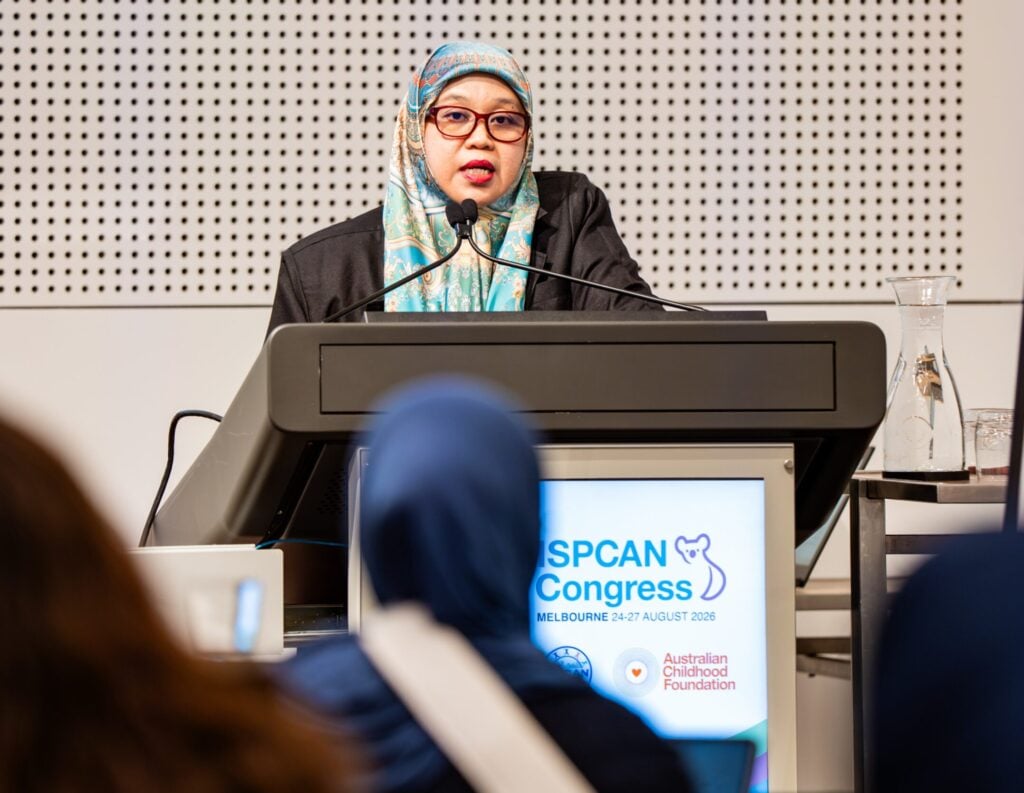
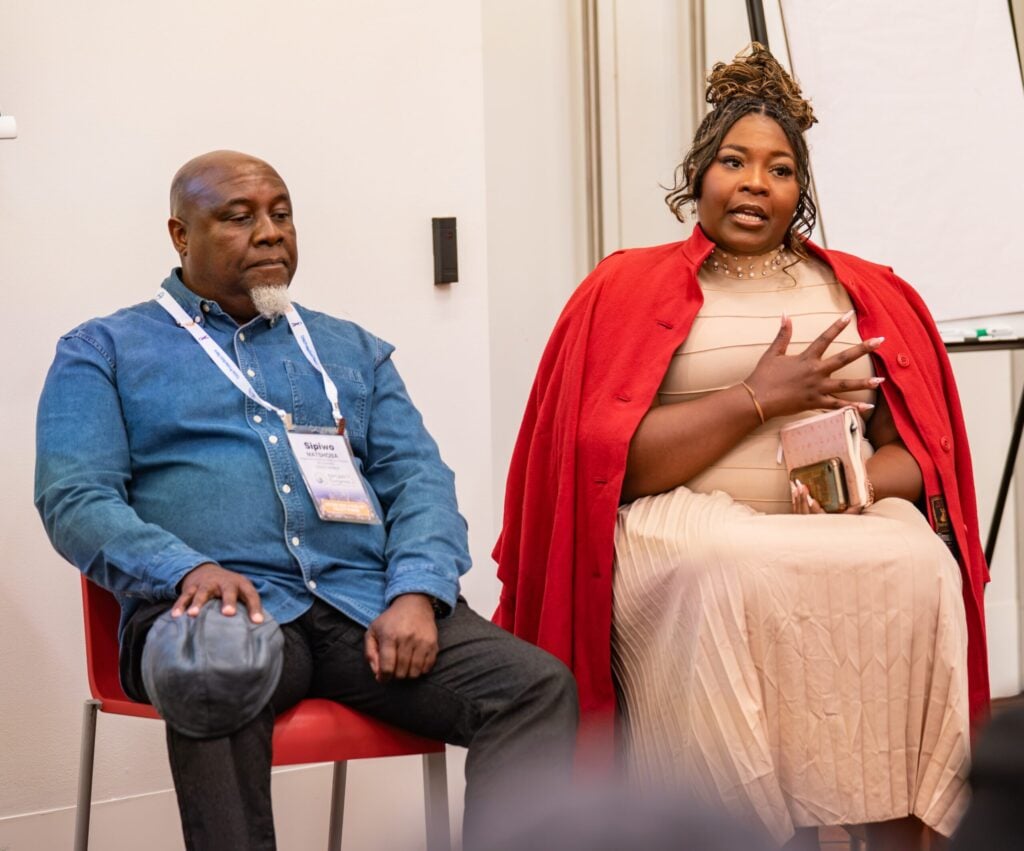
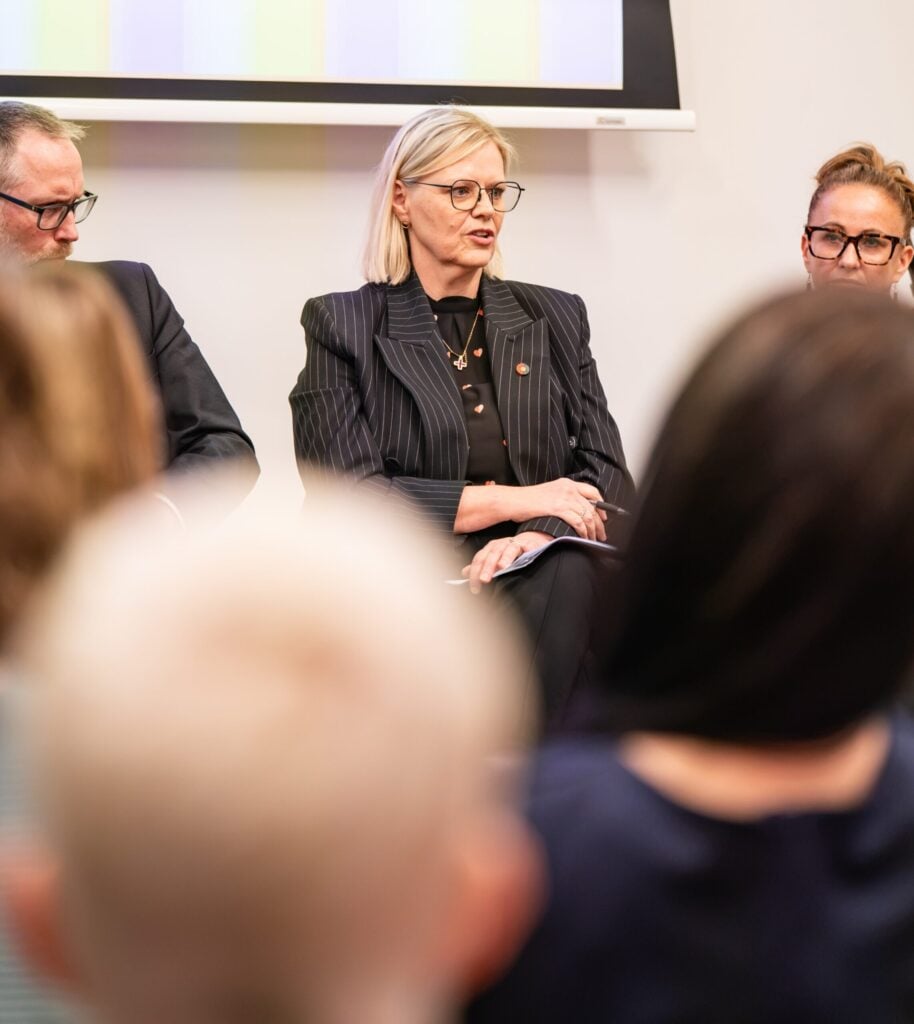
ISPCAN’s second international Rise Up Policy Forum landed in Melbourne on 27 August 2026, a year on from its bold launch at the 2025 ISPCAN Congress in Vilnius, Lithuania . This time, 350 multisectoral experts — including 69 government delegates, alongside researchers, practitioners, survivors, youth and activists, funders, NGOs and faith leaders from 40 countries — came together for a single, intensive day of exchange.

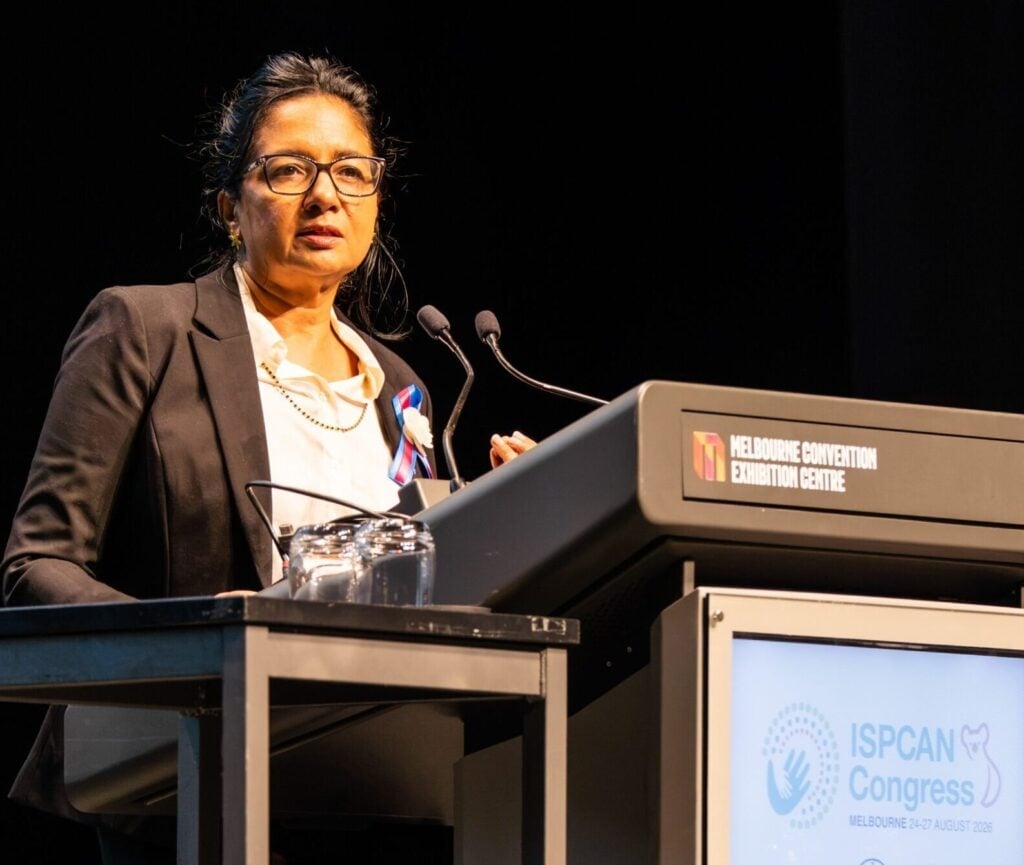
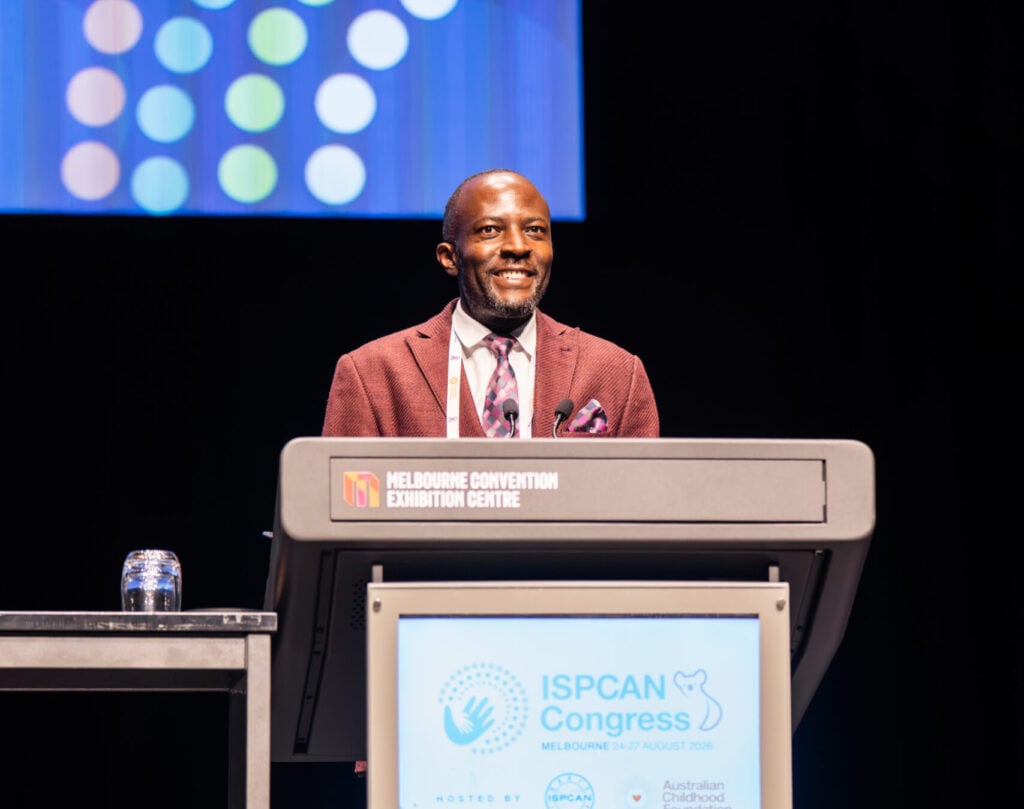
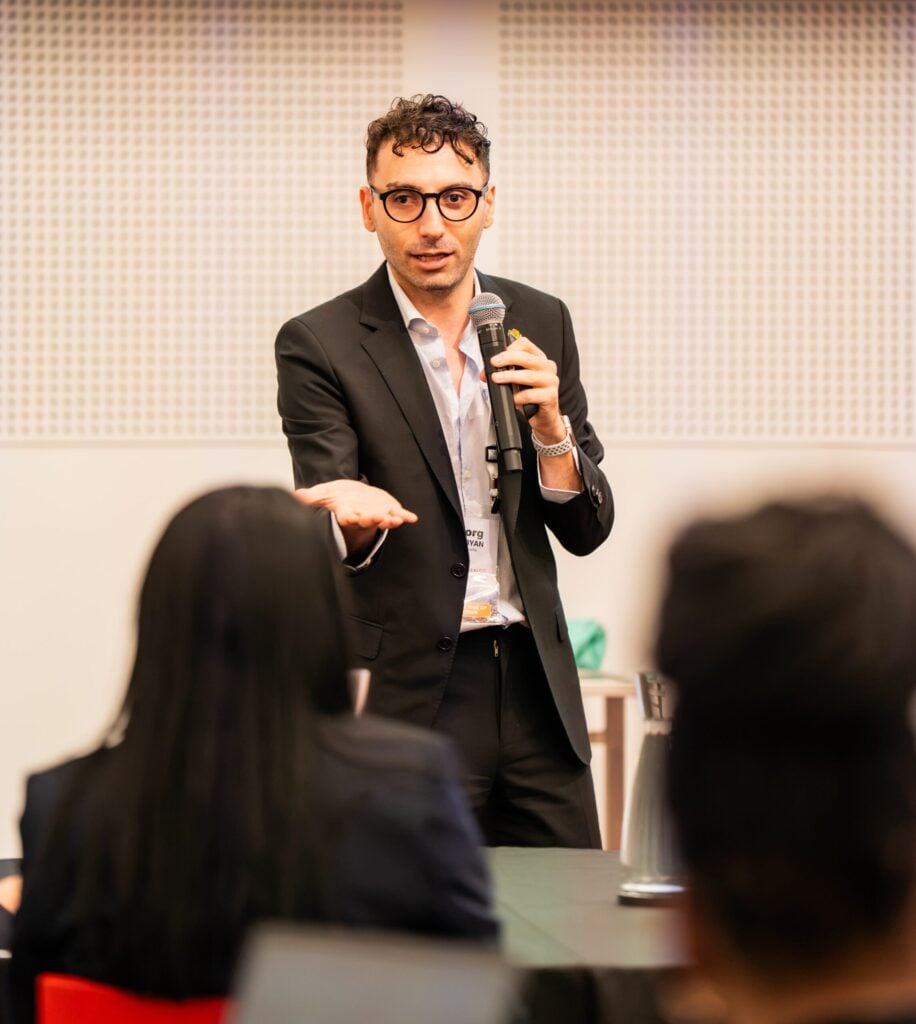
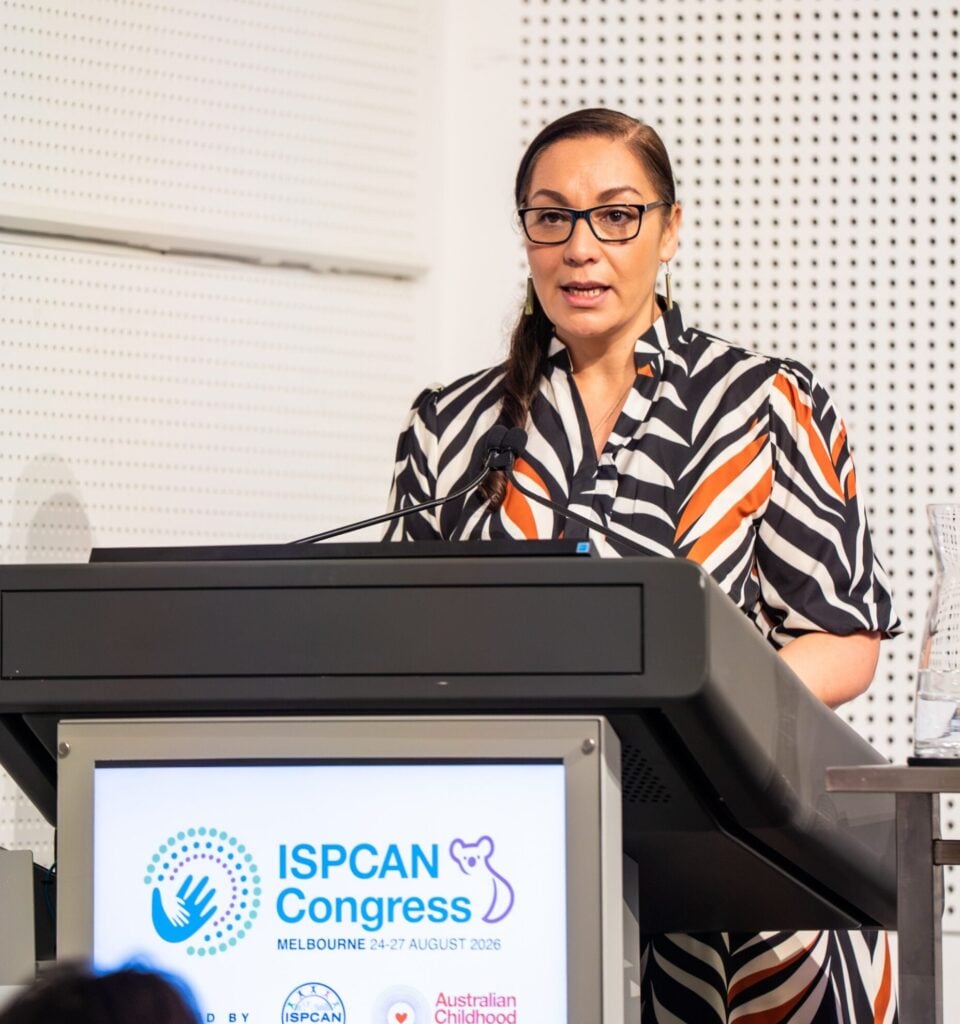
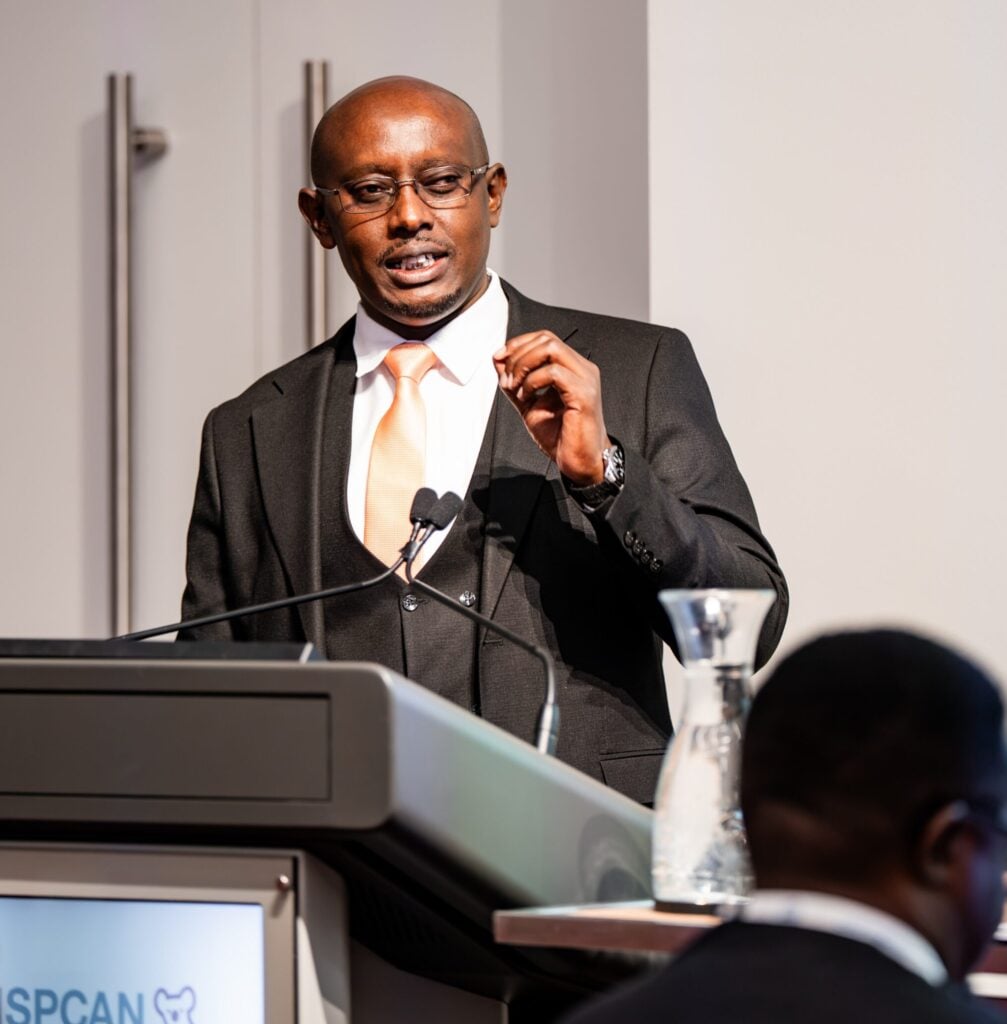
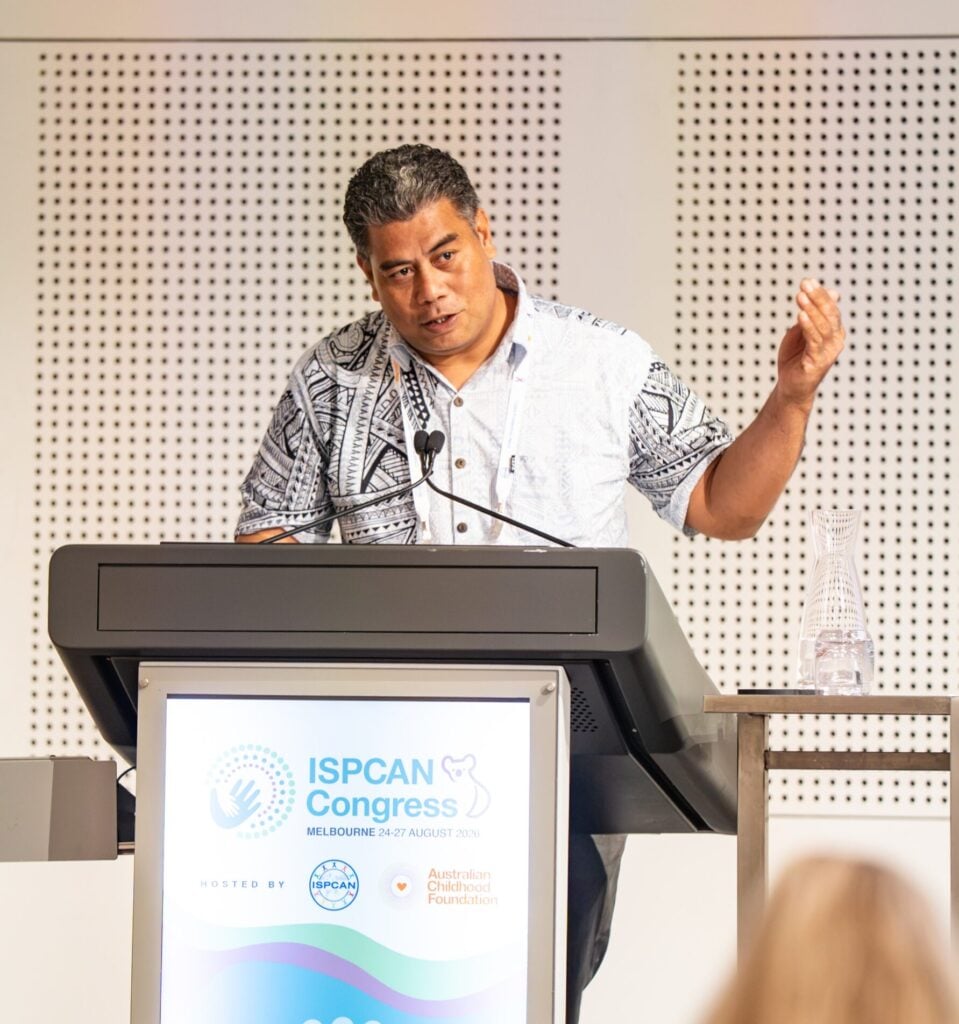
The Forum’s objective was to accelerate scaled progress on ending child abuse and neglect through candid multisectoral dialogue. Janise Mitchell, CEO of Australian Childhood Foundation, extended a warm welcome to international participants and governments and invited delegates to join the critical conversation with hope and courage. ISPCAN CEO Pragathi Tummala argued that child protection is a winnable battle when approached through a public health and system-strengthening framework, and four multisectoral spotlight speakers offered their provocations for greater progress. Throughout the day, across 25 sessions, participants tackled breakthrough strategies and scaled upstream prevention, explored in-depth country case studies and honest examples of challenge and success, examined strategies for sustaining child protection during periods of retrenchment, interrogated the beliefs and values underpinning child protection systems, and much more.

Achieving sustainable funding for child protection was a priority theme running through the day, addressed across four dedicated sessions and underscored by the launch of new tools and resources to support budget advocacy. Find out more below →

Opening plenary

Opening plenary: Making child protection a winnable battle

“Child abuse and neglect must be recognised as a population-level public health crisis, which every ministry is already paying for, whether through health, education, justice, or lost human potential.

Child protection must shift from reactive, fragmented, project-based response toward a financed, coordinated, prevention-oriented public health system.

The Rise Up Policy Forum’s ‘Mastermind’ working format and six system-strengthening pillars (data, policy, governance, continuum, scale, participation) are catalytic tools for building political will and turning that commitment into implementable, evaluable national action.”

Pragathi Tummala
ISPCAN CEO
Provocations for progress

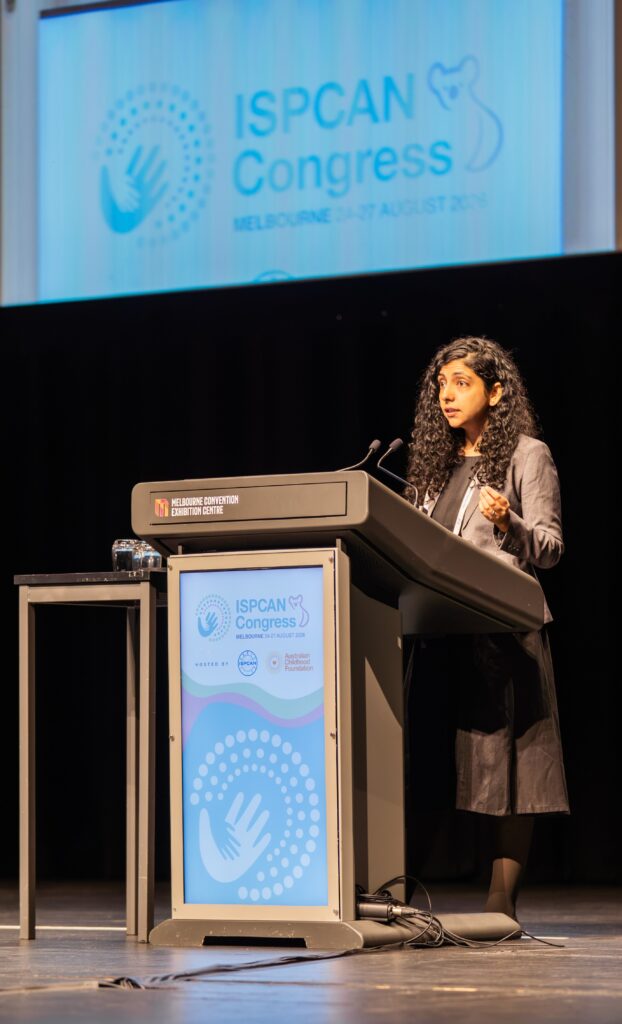
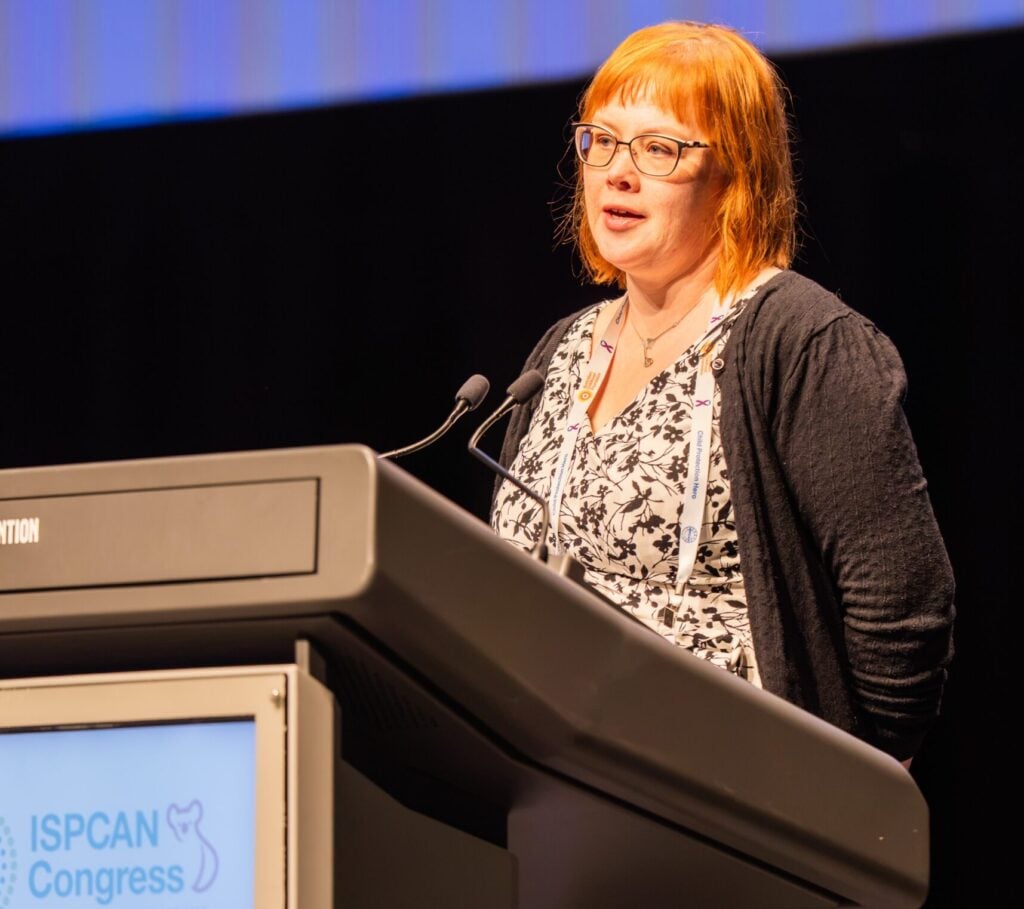
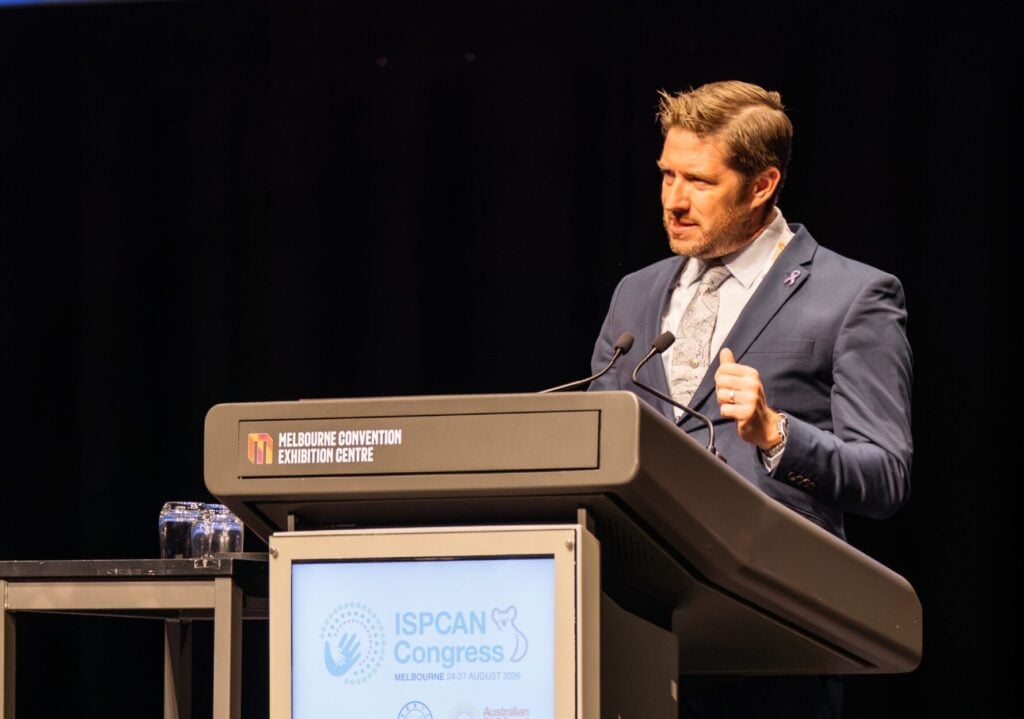
Spotlight speakers: Provocations for progress

Multisectoral perspectives from the opening and closing plenaries.

Opening plenary

Closing plenary

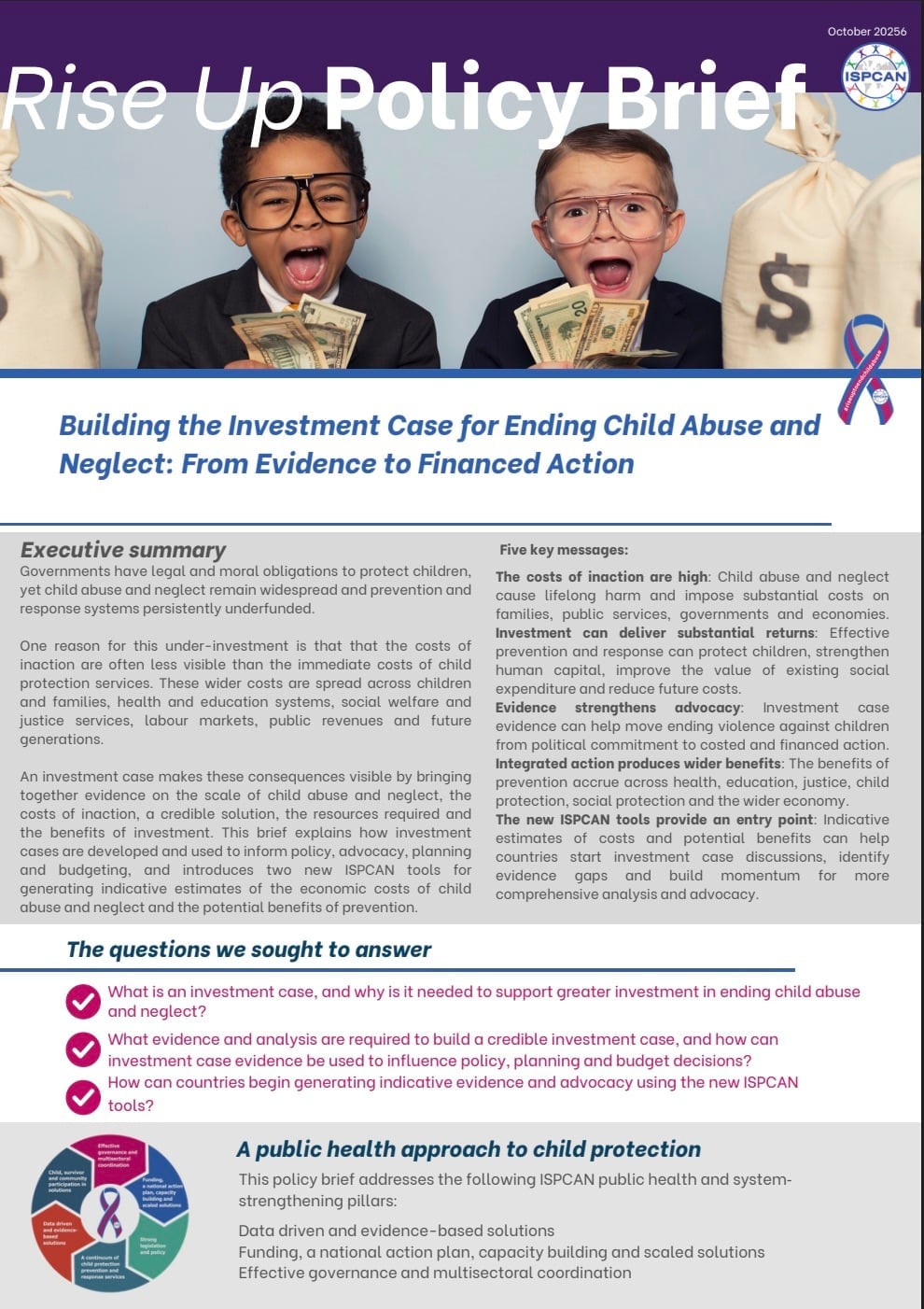
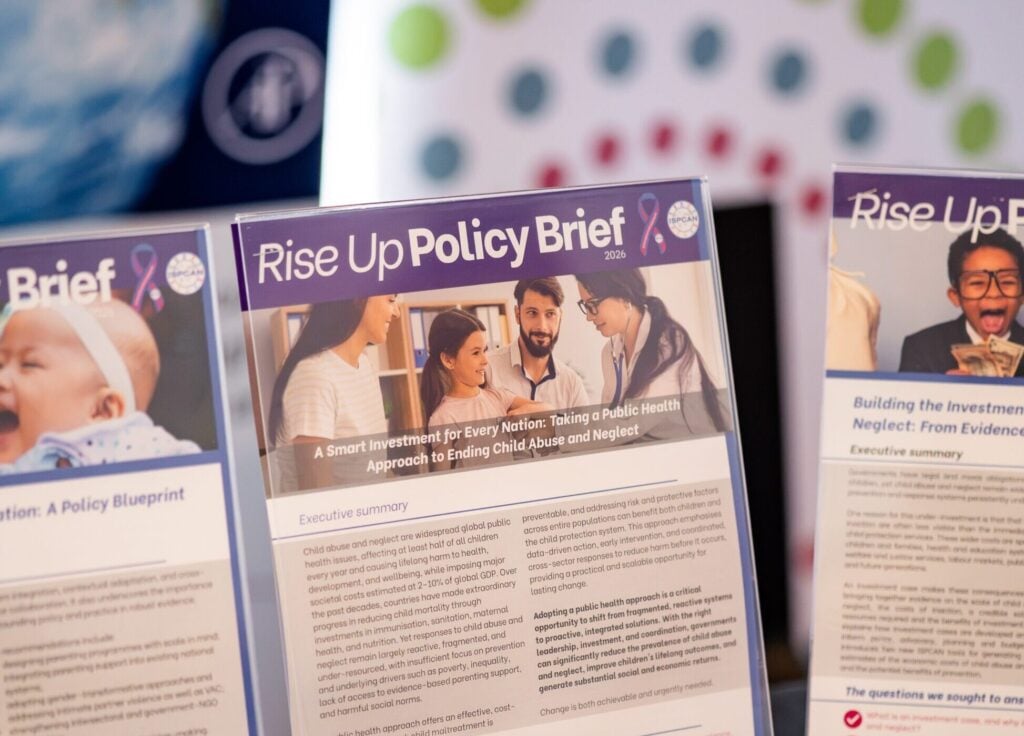
Rise Up Policy Brief · 2026

Building political will and the finance case: New tools and resources launched in Melbourne!

Governments have legal and moral obligations to protect children, yet child abuse and neglect remain widespread and prevention and response systems persistently underfunded.

One reason for this under-investment is that the costs of inaction are often less visible than the immediate costs of child protection services. Those wider costs are spread across children and families, health and education systems, social welfare and justice services, labour markets, public revenues and future generations.

An investment case makes these consequences visible by bringing together evidence on the scale of child abuse and neglect, the costs of inaction, a credible solution, the resources required and the benefits of investment. This brief explains how investment cases are developed and used to inform policy, advocacy, planning and budgeting, and introduces two new ISPCAN tools for generating indicative estimates of the economic costs of child abuse and neglect and the potential benefits of prevention.

$7 trillion

Global estimates place the economic cost of violence against children at more than $7 trillion — over 8% of global GDP.

Fewer than 1 in 4

Of 155 countries surveyed, 80% had a national action plan to prevent violence against children — but fewer than one in four had fully funded it.

View the policy brief Building the Investment Case for Ending Child Abuse and Neglect: From Evidence to Financed Action .

In participants' words

Rise Up Policy Forum convenes catalytic conversations and connections

How Rise Up works

What is the Rise Up Policy Forum?

The Melbourne Rise Up Policy Forum aimed to accelerate progress in ending child abuse and neglect by convening multisectoral collective action for system-level change.

01 · What it is

A working community of practice for governments, researchers, practitioners, funders, advocates and people with lived experience — a space for candid problem-solving on implementation.

02 · Core ambition

To make child protection “a winnable battle” by shifting systems from reactive, harm-after-the-fact response toward prevention that is coordinated, financed and delivered at scale.

03 · Organising framework

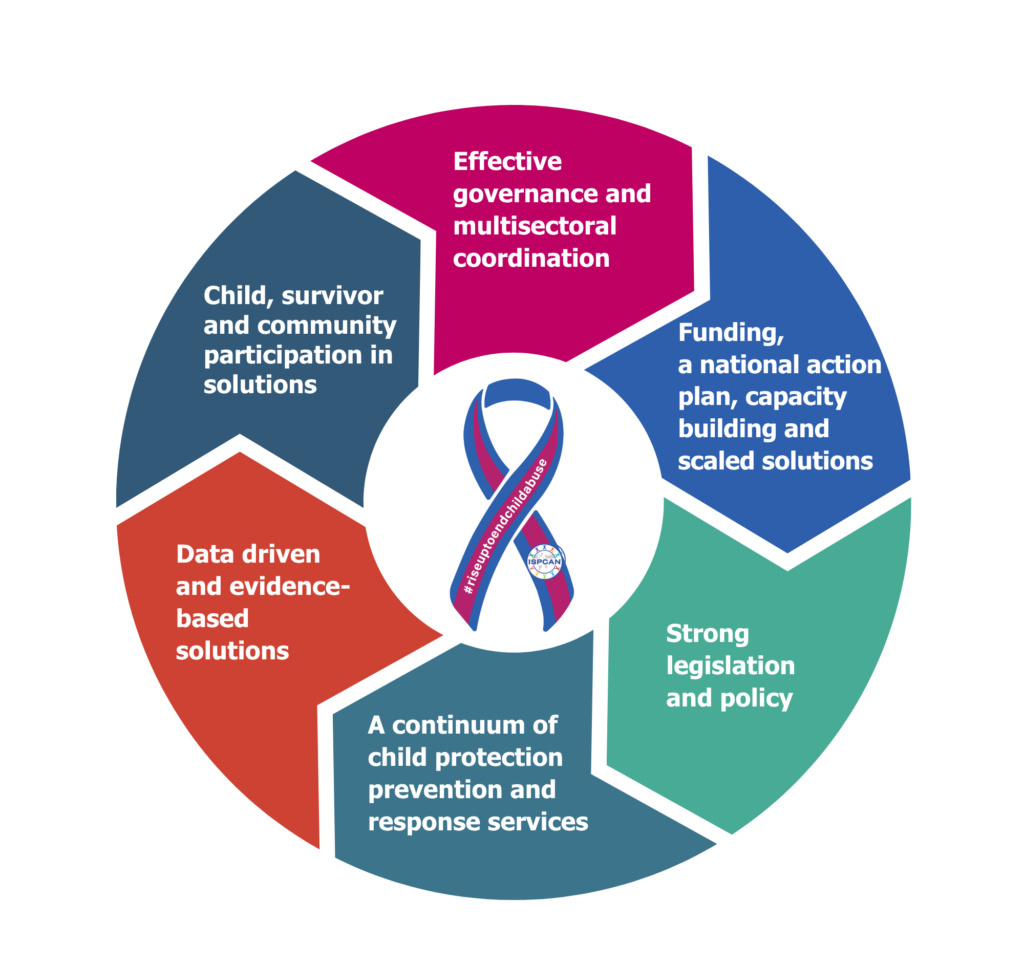
Six public health pillars — data; law and policy; governance and multisectoral coordination; continuum of services (universal–targeted–specialist); investment and scaled implementation; and participation of children, survivors and communities — used as diagnostic lenses to identify where a country’s progress is actually stalling.

04 · Method

“Mastermind” sessions, where a government or multisectoral panel brings a real implementation challenge and the room examines it through policy, practice, research and lived-experience perspectives, surfacing transferable lessons rather than one-size-fits-all models.

05 · Advocacy angle

Helping child protection leaders translate evidence into political will and sustainable funding.

06 · Intended outcome

Each country and delegate leaves with a concrete “next move”. Over time, Rise Up builds into an ongoing international network and community of practice and learning — country-to-country and across government, research, practice and community — with learning and capacity building that extends beyond a single event.

The lead partner

Engaging governments

Governments are the lead partner in efforts to end child abuse and neglect at scale, and yet they are often not included in communities of practice and learning.

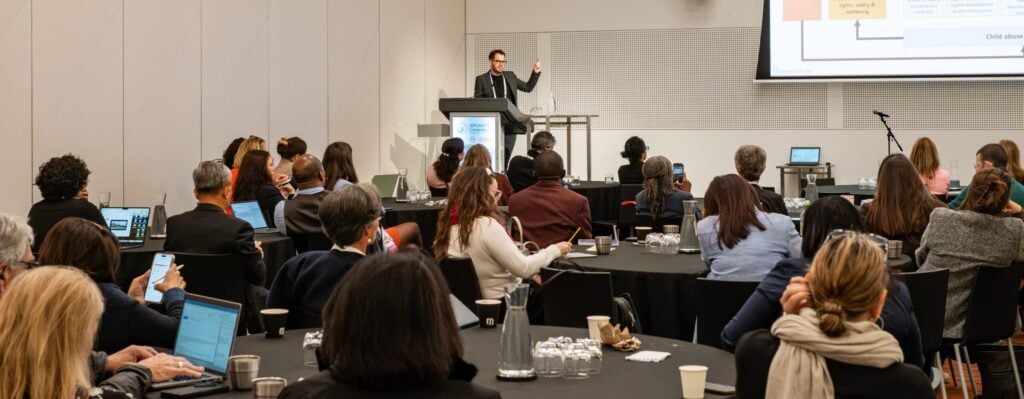
The Policy Forum featured multiple interactive, multisectoral conversations, where knowledge sharing and collaborative problem solving across sectors, disciplines and countries aimed to address the challenges and bridge the gaps preventing faster progress in ending child abuse and neglect.

69
government delegates joined us in Melbourne, from:
Armenia
Australia
Bangladesh
Brunei Darussalam
Cayman Islands
Finland
Hong Kong
Indonesia
Jamaica
Japan
Kenya
Kiribati
Mexico
New Zealand
Pakistan
Philippines
Singapore
South Africa
United Kingdom
United States of America
among others

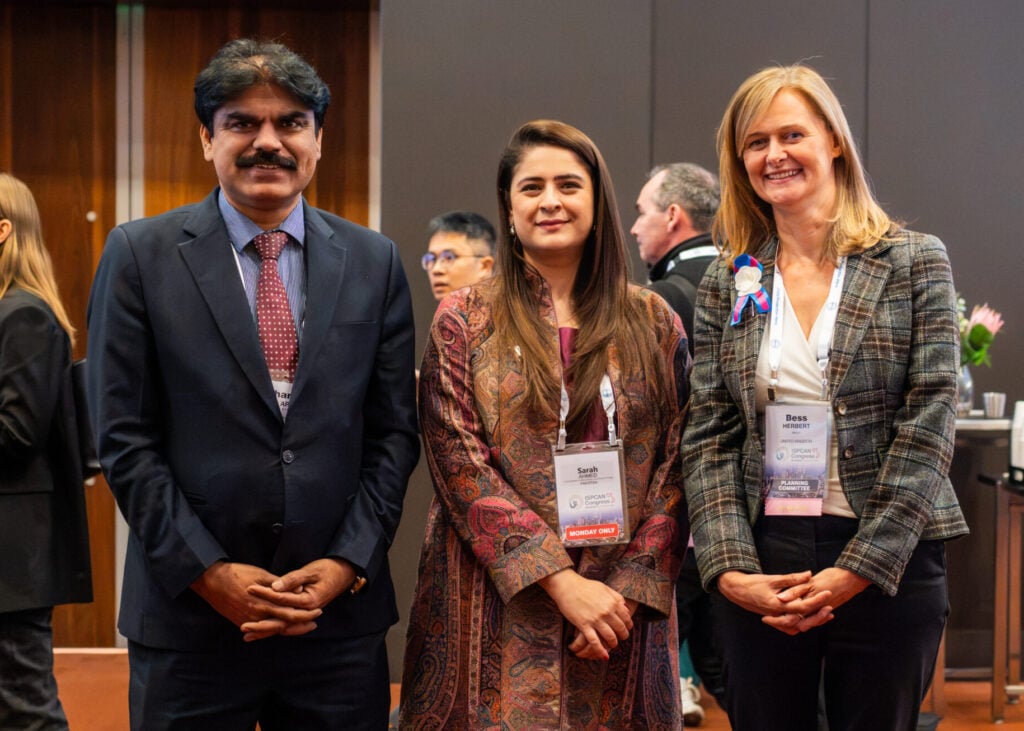
                Government delegates from Pakistan at the Rise Up Policy Forum.

On the platform

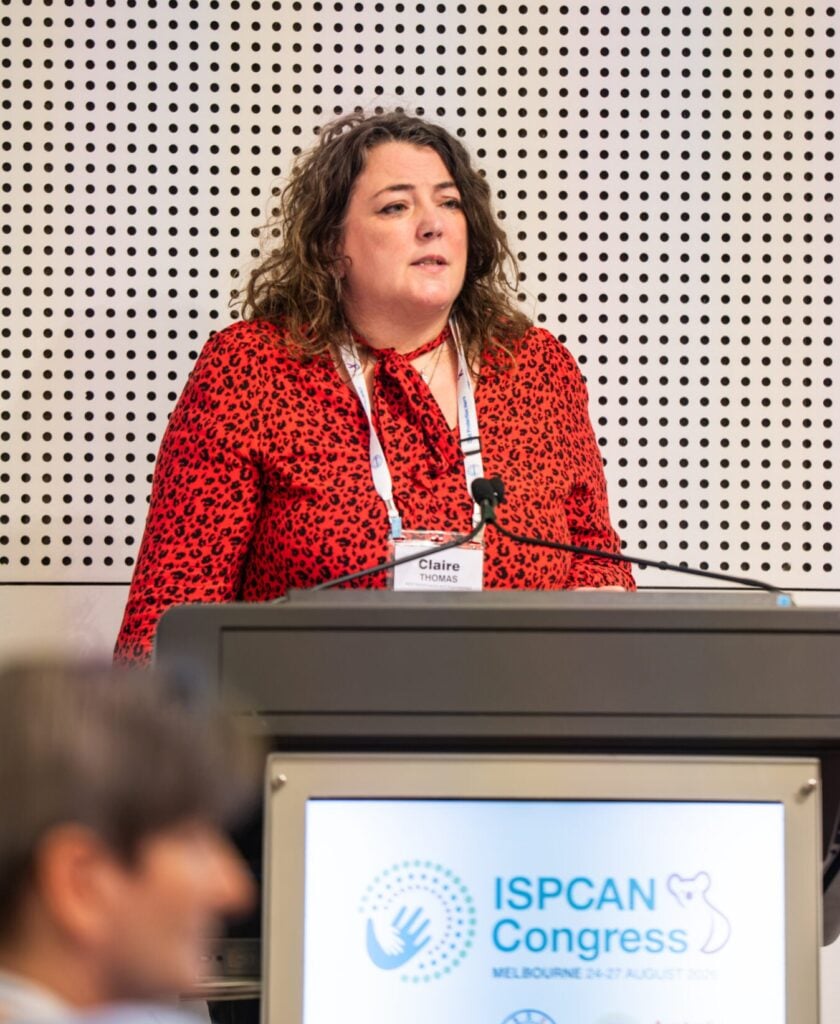
Inspiring government speakers

Knowledge Hub

New Rise Up resources to support accelerated action!

Policy briefs and other co-created session outputs will be published on the Rise Up session webpages and resource pages in the coming weeks.

Available now

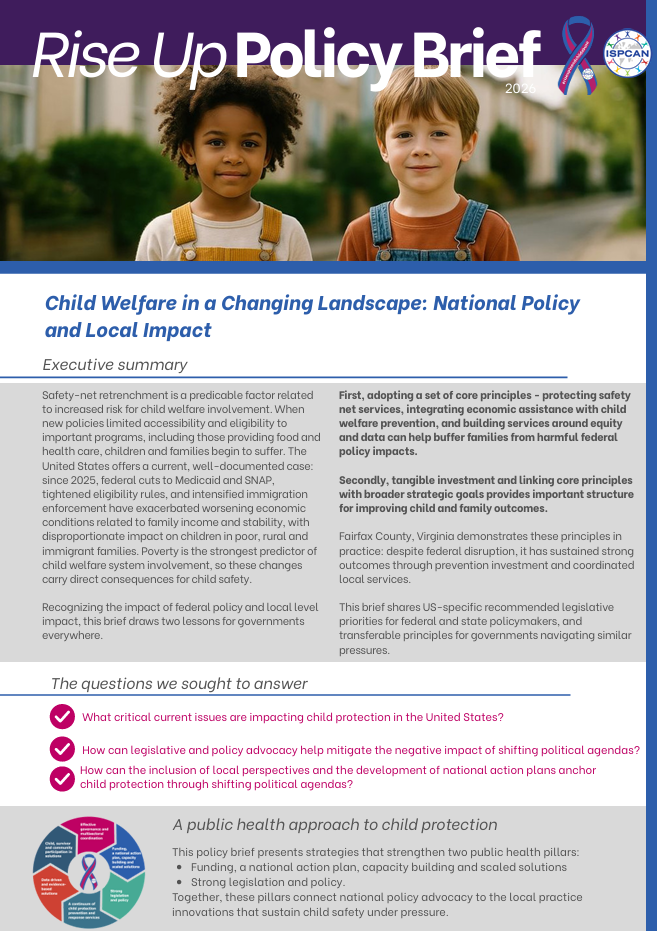
The first Melbourne Rise Up Policy Brief: Child Welfare in a Changing Landscape: National Policy and Local Impact

This policy brief explores how governments can protect children by safeguarding safety nets, linking economic assistance with prevention, and grounding services in equity and data — as Fairfax County, Virginia’s outcomes demonstrate.

Coming soon

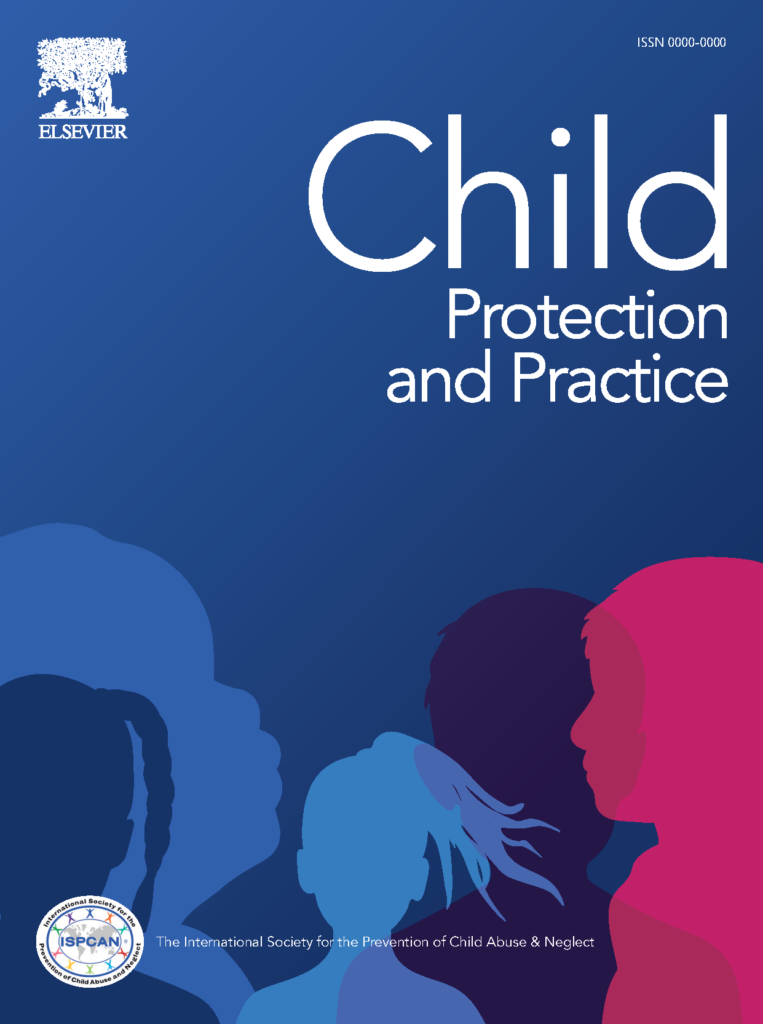
Special issue of ISPCAN's journal Child Protection and Practice : “Making Child Protection a Winnable Battle”

Session outputs and policy briefs from the Melbourne Rise Up program will be among the articles in this special issue, highlighting bold research, policy analysis, implementation experience and practical innovations that help move child protection upstream, taking a clear focus on prevention.

Six pillars, 25 sessions

The Rise Up program

The Melbourne Rise Up program brought together 25 Mastermind sessions built around six public health-oriented child protection system-strengthening pillars, using multisectoral speakers and interactive formats to dig into practical in-country experience, share cost-effective and high-impact solutions, and explore innovative approaches to data, practice and policy.

Each session focused on real-world challenges that governments and partners face in achieving progress at scale, drawing on the expertise of multinational researchers, practitioners and policy-makers to openly discuss and learn from one another.

Pillar 1

Effective governance and multisectoral coordination

Pillar 2

Funding, a national action plan, capacity building and scaled solutions

Pillar 3
Strong legislation and policy
Pillar 4

A continuum of child protection prevention and response services

Pillar 5
Data-driven and evidence-based solutions
Pillar 6

Child, survivor and community participation in solutions

The programme

Mastermind sessions presented in Melbourne

Click into each session to find the presentations and downloadable resources.

  • Child Online Safety in Practice: Emerging Evidence and Experience on Bans, Design, Rights, and What Actually Protects Children

    oca-logo Jamaica
    Children's Advocate of Jamaica & National Rapporteur on Trafficking in Persons
    logo-Finnish-ministry-of-social-affairs-and-health
    Ministry of Social Affairs and Health, Department for Safety, Security and Health, Government of Finland
    University of Canberra
    University of Canberra

    Primary Pillar(s): Data and evidence

  • Costing the Solutions: practical tools for planning, financing and scaling child protection systems

    Maestral International logo
    Maestral International

    Primary Pillar(s): A National Action Plan, capacity building and scaled solutions

  • Making Child Death Review happen: solutions to the challenge of developing population-based child death review programmes

    University of Birmingham
    University of Birmingham, UK
    Public Health Wales
    Public Health Wales, Government of Wales
    Association of Child Death Review Professionals
    Association of Child Death Review Professionals
    Taiwan CDR
    Taiwan Child Death Review

    Primary Pillar(s): Governance and multi-sectoral coordination

  • Innovative approaches to funding child protection: principles and country case studies for improving efficiency and expanding the funding base

    Maestral International logo
    Maestral International

    Primary Pillar(s): A National Action Plan, capacity building and scaled solutions

  • Building preventative and coordinated child protection systems in Kiribati

    Kiribati Ministry of Women, Youth, Sport and Social Affairs
    Ministry of Women, Youth, Sport and Social Affairs, Government of Kiribati

    Primary Pillar(s): A National Action Plan, capacity building and scaled solutions

  • Cooperation between the Children and Social Protection Department of Yerevan Municipality and SOS Children’s Villages Armenia

    SOS Children's Villages Armenia
    SOS Children's Villages Armenia
    Yerevan municipality
    Children and Social Protection Department of Yerevan Municipality, Armenia

    Primary Pillar(s): Governance and multi-sectoral coordination

  • From silos to a system: Kenya’s cross-sector coordination and collaboration model on access to justice with children

    Kenya National Council of Justice
    National Council on the Administration of Justice, Government of Kenya
    terre des hommes netherlands
    Terre des Hommes Netherlands

    Primary Pillar(s): Governance and multi-sectoral coordination

  • Redesigning Intervention Pathways for Infants and Young Parents at risk of child protection reports.

    Brave_logo_horiz_pos_1000px_v1_01
    Brave Foundation
    impact-Initiative_primary_logo (1)
    Impact initiative
    Victoria-State-Government-logo-black
    Victoria State Government, Australia

    Primary Pillar(s): A continuum of prevention and response services

  • Caring for the Carers: The Case for a Cross-Sector Approach to Kinship Care

    Family for every child
    Family for Every Child
    lumos_logo
    Lumos
    Voice Of Children Logo
    Voice of Children

    Primary Pillar(s): Policy and legislation

  • What Is the Child, in the Eyes of the System?

    impact-Initiative_primary_logo (1)
    Impact Initiative
    AHRC40_HORIZ-COL
    Australian Human Rights Commission
    AustGov-Commissioner
    National Commission for Aboriginal and Torres Strait Islander Children and Young People
    Attorney Generals Department, Government of Australia

    Primary Pillar(s): Policy and legislation

  • ‘Hubbing’ Our Way Out of Crisis: Rethinking Child Protection Through Upstream Support

    Murdoch Children's Research Institute
    Murdoch Children's Research Institute
    IAFSN Logo Vertical 2024 (002)
    International Association of Family Support Network
    AHRC40_HORIZ-COL
    Australian Human Rights Commission
    National-Child-and-Family-Hubs-Network-Australia-rp5194n771hlngm20egcnzpp814s0ub08oy5roozy8.png
    National Child and Family Hubs Network 

    Primary Pillar(s): Policy and legislation

  • Child Protection in a Borderless Digital World: Co-Designing Child-Centred Privacy Policy

    childfundaus-logo
    ChildFund Australia
    ASEAN logo
    ASEAN Commission on the Promotion and Protection of the Rights of Women and Children
    University of Canberra
    University of Canberra

    Primary Pillar(s): Policy and legislation

  • From Policy to Practice: A Benchmarking Workshop on Universal Parenting Support to Prevent Violence Against Children

    UNICEF #2
    UNICEF
    PLH Logo_Primary full colour square
    Parenting for Lifelong Health

    Primary Pillar(s): Data and evidence, Policy and legislation, Governance and multi-sectoral coordination

  • Strengthening Legal and Policy Frameworks to Combat Online Child Sexual Exploitation and Abuse — Lessons from practice-based knowledge (PbK) in Kenya and the Philippines

    terre des hommes netherlands
    Terre des Hommes Netherlands (TdH NL)
    Kenya National Council of Justice
    National Council on the Administration of Justice, Government of Kenya
    sfh_full_colour_centralised_rgb
    The Safer Futures Hub
    02-Bidlisiw_White_Square
    Bidlisiw Foundation
    Bayan Ng Santa Fe Philippines logo
    Santa Fe, Bantayan Island, Province of Cebu, Government of the Philippines

    Primary Pillar(s): Policy and legislation, Governance and multi-sectoral coordination

  • Mobilizing Faith Leaders to Support Government Priorities in Ending Family Violence Against Children: Evidence and Opportunities from Ghana, Kenya and Zimbabwe

    fuller-seminary-v-fullcolor-rgb
    Fuller Seminary
    World Vision Kenya
    World Vision Kenya
    Kenya Ministry Gender Culture Childrens Services
    The Violence Against Children Committee (VACC), Department of Children’s Services, Government of Kenya
    World Vision Ghana
    World Vision Ghana
    World Vision Zimbabwe
    World Vision Zimbabwe
    Leaders of Africa Institute
    Leaders of Africa Institute

    Primary Pillar(s): Data and evidence

  • Artificial intelligence in child and family services: measuring impact and strengthening early intervention systems

    Centre for Excellence in Child and Family Welfare
    Centre for Excellence in Child and Family Welfare
    AnglicareVic_LOGO_HORZ_CMYK_PNG
    Anglicare Victoria
    TODAY_LOGOTYPE_MONO_BLACK
    Today

    Primary Pillar(s): Data and evidence

  • Making Practice Visible: How Aotearoa New Zealand Uses a National Practice Framework and Public-Facing Practice Centre to Build Trust and Strengthen Child Protection Systems

    oranga-tamariki-logo
    Oranga Tamariki – Ministry for Children, Government of Aotearoa New Zealand

    Primary Pillar(s): A National Action Plan, capacity building and scaled solutions

  • Multisectoral Briefing: Developing a National Strategic Plan (NSP) on preventing and mitigating the harmful effects of Adolescent Pregnancy in South Africa

    Women, youth & persons with disabilities
    Department of Women, Youth and Persons with Disabilities, Government of South Africa
    GIZ - Logo
    Deutsche Gesellschaft für Internationale Zusammenarbeit (GIZ): Violence Prevention for Peaceful and Inclusive Communities Programme (VPPIC).

    Primary Pillar(s): Policy and legislation, Governance and multi-sectoral coordination , A National Action Plan, capacity building and scaled solutions

  • From Fragmentation to Coherence: How Education-Centred Cross-Sector Practice Can Prevent Child Harm

    NorthAble Matapuna Hauora
    Ministry of Education, Government of Aotearoa New Zealand
    Te Ako Manaaki
    Integrated Response Framework

    Primary Pillar(s): Governance and multi-sectoral coordination

  • Building the investment case for ending violence against children

    Cornerstone_Logo_Full Colour
    Cornerstone Economic Research
    ISPCANLogo
    ISPCAN

    Primary Pillar(s): A National Action Plan, capacity building and scaled solutions

  • Child Welfare in a Changing America – National Policy and Local Impact

    CWLA_logo (002)
    Child Welfare League of America
    Fairfax County (Virginia) Department of Family Services, United States of America

    Primary Pillar(s): Policy and legislation

  • Bridging Children’s Care Reform and Violence Prevention: Putting political commitments into practice

    Maestral International logo
    Maestral International
    960 x 640 GOV White
    Foreign, Commonwealth & Development Office (FCDO), Government of the United Kingdom
    Transforming Children_s Care Collaborative
    Transforming Children's Care Collaborative

    Primary Pillar(s): A continuum of prevention and response services

  • Beyond the Kantian Barrier: A Ta’ṣīl (Authentic Rooting) Approach to Decolonizing Social Work and Sustaining Care for Adverse Childhood Experiences Survivors in Brunei Darussalam

    MOH Logo Brunei
    Ministry Of Health, Government of Brunei Darusssalam
    SS Hospital Logo Brunei
    Suri Seri Begawan Hospital
    UNISSA Logo Brunei
    Univerisity Islam Sultan Sharif Ali

    Primary Pillar(s): Governance and multi-sectoral coordination

  • Addressing the crisis of youth ‘aging out’ of care in Canada

    NCYICA full name logo
    National Council Of Youth In Care Advocates (NCYICA)

    Primary Pillar(s): A National Action Plan, capacity building and scaled solutions

  • What have we learned from implementing INSPIRE in low and middle income countries?

    WHO HQ Logos
    World Health Organisation
    Child Protection Network Philippines
    Child Protection Network Foundation
  • From Rights on Paper to Change in Practice: Using GlobalChild Indicators for System‑Strengthening and Data‑Driven Child Protection

    UNB logo
    University of New Brunswick
    GlobalChild logo bigger
    GlobalChild

    Primary Pillar(s): Data and evidence

#riseuptoendchildabuse

Champion the cause with us

✓

This pink and blue ribbon represents our call to rise up to end child abuse and neglect worldwide.

✓

Please download it, use it widely, and make child protection a memorable and visible cause.

✓

Help remove the stigma of talking about this global problem.

With our thanks

Thank you to our partners

The Melbourne Rise Up Policy Forum was built by its community. Our heartfelt thanks go to our partners, and above all to the many organisations, governments and individuals who designed and led sessions in the programme, shared their expertise as speakers, and brought candour and generosity to every conversation.

We are especially grateful to the government delegations who travelled from around the world to share both their challenges and their successes, and to the researchers, practitioners, survivors, young people, faith leaders, funders and advocates whose perspectives made the day so rich. Together, you showed that ending child abuse and neglect is a winnable battle.

Melbourne Congress 2026

Local hosts and sponsors

Local Partner
Australian Childhood Foundation
Principal Partner
Anglicare Victoria
Government Partner

Department of Families, Fairness and Housing, Victoria

Sponsors
SOS-Kinderdörfer weltweit
Department for Child Protection, South Australia
Supported by
Visit Melbourne
Melbourne Convention Bureau
Business Events Australia