
ISPCAN International Congress & Rise Up Policy Forum: Join 1,000+ child protection professionals in Melbourne, Australia August 24–27, 2026.

Costing the Solutions: practical tools for planning, financing and scaling child protection systems

Presented By:

Maestral International logo
Maestral International

Strengthening child protection systems requires more than policy commitments, it requires realistic and evidence-informed financing strategies.

Costing tools help governments answer critical questions:

  • What will it cost to scale services?
  • How many workers are required?
  • What level of investment is needed at national and local levels?
  • What are the trade-offs between coverage, quality, and affordability?
  • How can investments be phased realistically over time?


The session will emphasize that:

  • Costing is not simply a technical exercise — it is a strategic planning and financing tool – a strategic policy and public financial management tool that helps governments:
    • Understand the scale of investment required
    • Prioritize interventions
    • Plan workforce expansion
    • Negotiate for increased allocations
    • Sequence reforms realistically
    • Demonstrate return on investment
  • Strong child protection systems depend on a well-supported social service workforce
  • Costing and investment cases help translate policy commitments into implementable and fundable plans
  • Sustainable financing requires effective domestic investment, not only new financing streams

Strengthening child protection systems requires moving from broad advocacy to evidence-informed planning and financing.

OR/AND!?

Evidence on the economic and social costs of neglect, abuse and violence against children is increasingly informing the case for greater investment in child protection. However, translating this evidence into funded policies and services requires practical tools that enable governments to estimate costs, prioritize investments and plan for implementation. Costing provides this critical bridge between policy ambition and sustainable financing.

This session will demonstrate how costing can support governments to move from advocacy to evidence-informed planning, budgeting and investment decisions. Drawing on practical examples from Ukraine's Social Services Costing Tool, Kenya's child protection systems and case management costing models, care reform costing tools, and the Social Service Workforce (SSW) costing work in Kenya and Zambia, participants will explore different approaches to estimating the resources required to strengthen child protection systems. The session will highlight how costing can be applied to workforce planning, service package design, phased implementation, and budget negotiations across national and subnational levels.

The session will demonstrate that costing is not simply a technical exercise, but a strategic public financial management tool that supports governments to prioritize investments, strengthen domestic financing and develop credible, costed implementation plans.

Rise Up Session Date and Time:
August 27, 2026 2:45 pm
Country or Region Focus:
Europe & Russia, Africa, Global
Type of Session:
Rise Up Session
Public Health Pillar Focus:
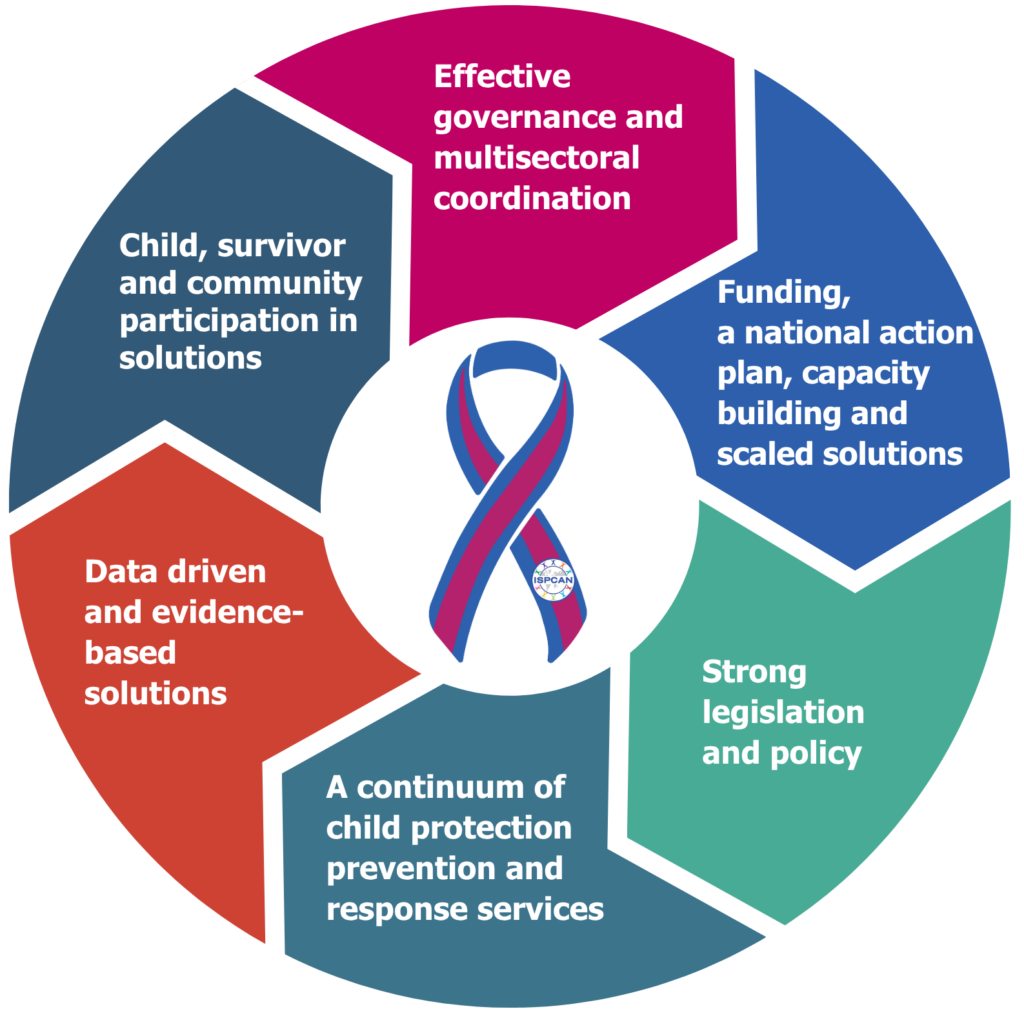
A National Action, Capacity Building, and Scaled Solutions

Speakers

Facilitator: Shar Kurtishi, Senior Associate, Public Finance specialist, Maestral International

Biography: Shar Kurtishi is a public finance management (PFM) and social policy expert with over 20 years of experience supporting governments to strengthen public financing, budgeting, and planning for social sectors. He has advised Ministries of Finance, UNICEF, the World Bank, EU, Swiss SDC and Swedish SIDA and other international partners across more than 30 countries in Africa, Europe, Asia, Pacific,  and the Middle East on public financial management reforms, costing, investment cases, budget and expenditure reviews, and financing strategies. His work has included Public Finance Management system and instruments improvements and its corelation with social sectors such as developing costing tools and investment cases for child protection, social services, and the social service workforce; designing funding formulae and medium-term expenditure frameworks; and supporting governments to translate policy commitments into realistic, costed implementation plans. Shar has led the development of national and regional costing models for child protection and social services, helping governments strengthen domestic financing, improve resource allocation, and make evidence-informed investment decisions.

Session Aims

Purpose

To demonstrate how practical costing tools can support governments to move from policy commitments to evidence-informed planning, budgeting and sustainable financing for child protection and social services systems.

Using examples from different country contexts, the session will illustrate how costing can support:

  • Workforce planning
  • Service package design
  • Budget decisions
  • Improved public financial management
  • Strengthening domestic resource mobilization and investment advocacy


Learning Objectives

By the end of the session participants will:
  • Understand why costing is a strategic planning and public financial management tool, and not simply a budgeting exercis
  • Become familiar with different approaches to costing child protection systems, services and the social service workforce
  • Understand how costing supports planning, budgeting and domestic resource mobilization
  • Identify opportunities to apply costing approaches within their own country contexts

Session Format

Section 1: Opening Mentimeter (5 min)

Which best describes your experience with costing child protection or social services?

What has been the biggest challenge in costing child protection systems?


 Section 2: Why Costing Matters (8 min) Powerpoint presentation

Moving from:

  • Advocacy
  • Policy commitments
  • National strategies

to

  • Costed implementation plans
  • Budget allocations
  • Sustainable financing

Governments need answers to questions such as:

  • What services should we provide?
  • How many social workers are required?
  • How much will implementation cost?
  • What can realistically be financed?
  • How should reforms be phased?


Section 3: Practical costing tools in action (30 min)

The four costing applications. Rather than one costing tool, different costing tools answer different policy questions.

Example 1: Ukraine Social Services Costing Tool (7 min)

Purpose: Integrated local government planning

Example 2: Kenya Child Protection & Case Management Costing (7 min)

Purpose: Costing integrated child protection services

Example 3: Social Service Workforce Costing Tool (8 min)

Purpose: Planning workforce expansion

Example 4: Care Reform Costing Tool (8 min)

Purpose: Investment in family strengthenining; Planning transition from institutional to family-based care


Section 4: Interactive Discussion: Applying costing in your country (12 min) facilitated discussion.

Poll Question: If you were advising your Ministry tomorrow, where would costing add the greatest value?


Closing (5 min)

Key Messages

  • Costing is not simply about calculating costs.
  • It helps governments:
    • Prioritize investments
    • Sequence reforms
    • Strengthen domestic financing
    • Improve accountability: Costing strengthens credibility with Ministries of Finance, and accountability
    • Build stronger child protection systems

If systems are not costed, they are difficult to finance, implement and scale sustainably.

Expected Resources

Handouts:

  • Advocacy brief on the investment case approach & introduction to new tools
  • The Return on Investment in Child Protection Prevention, the case of Moldova
  • Maestral overview of public finance work and tools

Reference Docs:

  • SRSG-VAC Toolkit
  • UNICEF ESARO Investment Case Synthesis Report & Policy Brief
  • Draft Care reform tool overview
  • Ukraine experience overview