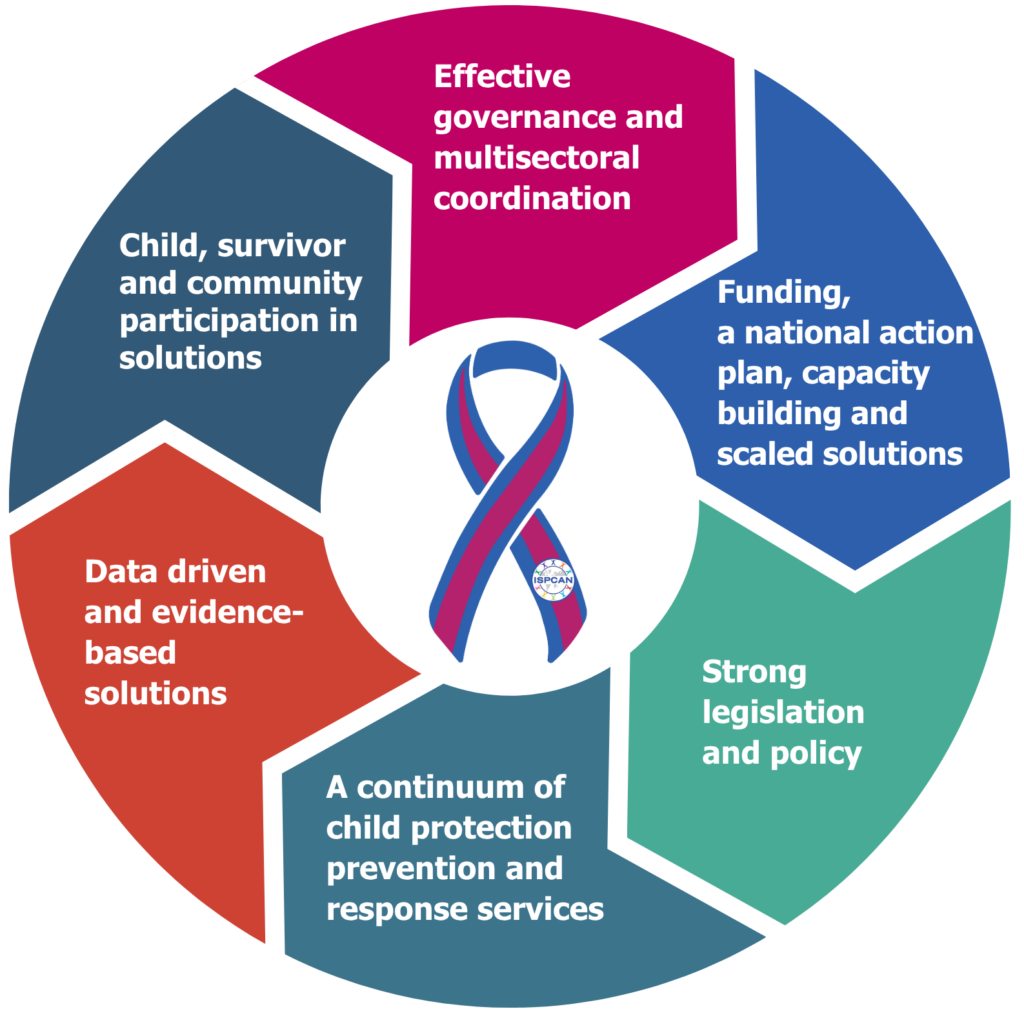
Yerevan Municipality is advancing a strategic transformation of the local child protection system towards a preventive, family-centred and child-centred model, built on three interconnected priorities: prevention, family strengthening and meaningful child participation. Operationally, this means coordinating child protection actors across the city's 12 administrative districts, and shifting the system's centre of gravity from case registration towards the monitoring of outcomes and impact — that is, from recording what happened to a child towards accountability for what changed for that child.
That shift only becomes meaningful if there is somewhere for children to go other than an institution. Prevention reduces the number of children entering care; family-based alternative care determines what happens to those who still do. The two are therefore presented here as one continuum rather than as separate reform tracks, and this is where the cooperation between Yerevan Municipality and SOS Children's Villages Armenia becomes decisive.
That cooperation is aimed at improving alternative care, closing residential institutions and enabling children to live in family-like conditions, alongside the development of foster care as a functioning institution rather than a formal legal category. It illustrates a division of roles in which the state sets the legal and financial framework, the municipality holds the prevention, gatekeeping and case-management function at the point closest to the family, and the non-governmental partner brings service delivery capacity, transition expertise and the practical experience of moving children out of a residential facility.
Presented together, the two strands describe a single system moving in one direction: fewer children separated from their families, fewer children in institutions, more children in families — and a municipality able to demonstrate this through outcomes rather than caseload figures.