ISPCAN International Congress & Rise Up Policy Forum: Join 1,000+ child protection professionals in Melbourne, Australia August 24–27, 2026.

Policy Brief

From Commitments to Implementation: A Policy Blueprint for Scaling Parenting Support

Executive Summary

Evidence-based parenting programmes have demonstrated effectiveness in preventing violence against children, strengthening family environments, and enhancing child well-being - yet scaling these interventions remains a persistent challenge. Despite global commitments to expand parenting support — including pledges made at the 2024 Global Ministerial Conference on Ending Violence Against Children in Bogotá — few countries have translated these commitments into sustainable, large-scale action.

This policy brief highlights what it takes to build a world where every parent is equipped to protect their children and support their health, safety, and development. It explores practical strategies to bridge the gap between commitment and implementation. Drawing on global, regional, and humanitarian insights, it identifies key enablers and barriers to scale, including financing, system integration, contextual adaptation, and cross sector collaboration. It also underscores the importance of grounding policy and practice in robust evidence.

Key recommendations include:

  • designing parenting programmes with scale in mind;
  • integrating parenting support into existing national systems;
  • adopting gender-transformative approaches and addressing intimate partner violence as well as VAC;
  • strengthening intersectoral and government-NGO partnerships;
  • leveraging research to inform decision-making.

The importance of engaging faith-based organisations, adapting programmes for humanitarian contexts, and securing sustainable, diversified funding is also highlighted.
The Questions We Sought To Answer:

What practical steps can governments take to turn bold global commitments—such as the Bogotá parenting pledges—into sustainable, system-wide action to expand parenting support?
What practical strategies and innovations help overcome implementation challenges and ensure parenting programmes are adapted effectively to local contexts?
How can intersectoral collaboration and accountability mechanisms accelerate the integration of parenting support into existing national systems?
Country or Region Focus:
Asia, Africa, Global
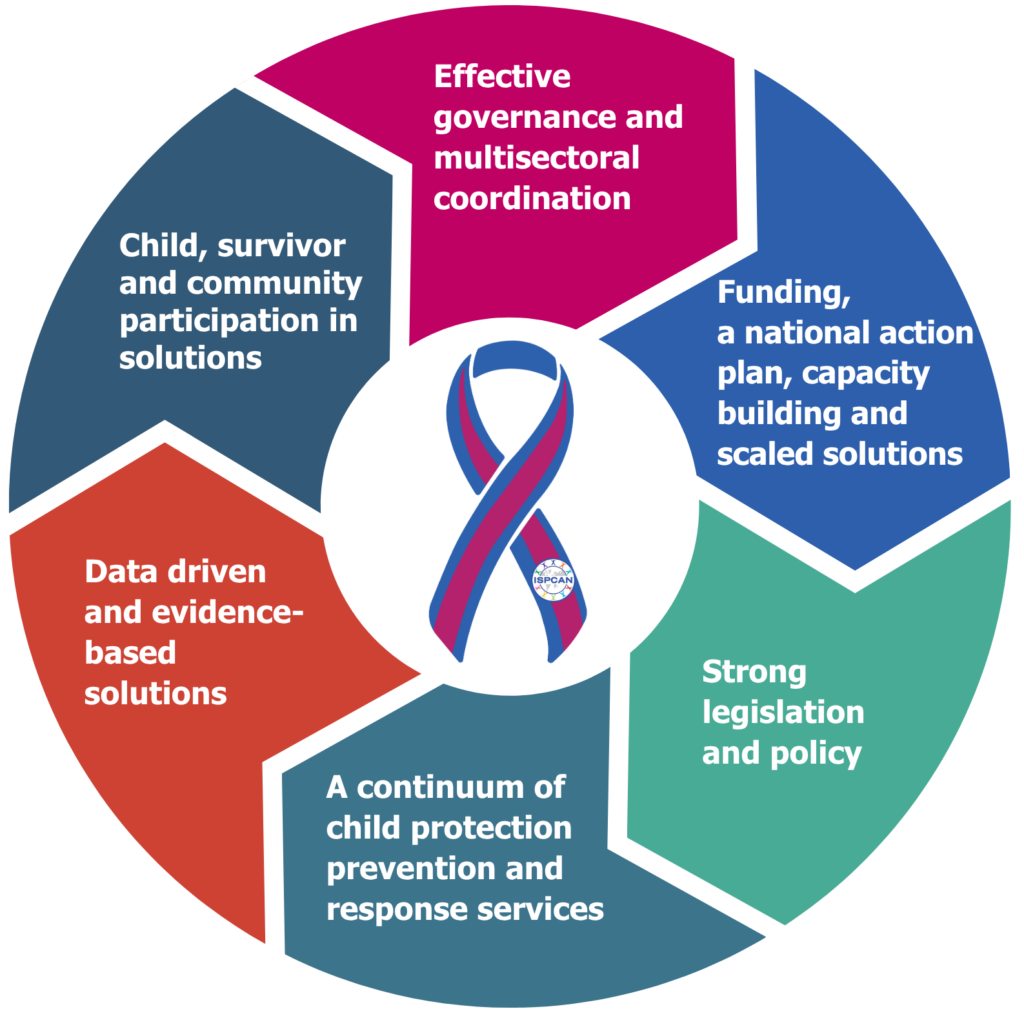
Public Health Pillars:
Policy and Legislation

A National Action, Capacity Building, and Scaled Solutions

Data Driven and Evidence Based Solutions
Global Prevalence of Past-year Violence Against Children: A Systematic Review and Minimum Estimates
Interventions to prevent, reduce, and respond to violence against children and adolescents: a systematic review of systematic reviews to update the INSPIRE Framework
WHO guidelines on parenting interventions to prevent maltreatment and enhance parent–child relationships with children aged 0–17 years
Pledges - Every Child Protected
Randomized controlled trial of a parenting program to reduce the risk of child maltreatment in South Africa
Preventing Co-occurring Intimate Partner Violence and Child Abuse in Eastern Democratic Republic of Congo: The Role of Family Functioning and Programmatic Reflections
Cultural Adaptation of Parenting Interventions: Formative Evaluation in Thailand
Feasibility pilot of an adapted parenting program embedded within the Thai public health system
Effectiveness of a universal film intervention in reducing violence against children and increasing positive parenting among migrant and displaced caregivers from Myanmar: a community-based cluster randomised trial

Contributing Partners:

GPI LOGO
Global Parenting Initiative
PLH Image
Parenting for Lifelong Health
GISP logo
Global Initiative to Support Parents
IRC Logo
International Rescue Committee
Peace Culture Foundation
Prevention Collaborative

About ISPCAN Rise Up Policy Forum

The ISPCAN Rise Up Policy Forum is a global initiative to catalyze progress in child protection through a public health and system strengthening approach. It brings together governments, researchers and practitioners in a community of practice and learning, to build on and translate into action the pledges made during the 2024 Ministerial Conference on Ending Violence Against Children.

Supported by:

ISPCANLogo (002)
SOS Kinderdoerfer Weltweit Logo