Search Suggestions

      The Health Sector’s Role in Preventing and Responding to Violence against Children

      Presented By:

      WHO HQ Logos
      The World Health Organization
      ministry-of-health-and-social-services-namibia-186085
      Ministry of Health, Government of Namibia
      vega-eng
      Violence, Evidence, Guidance, Action (VEGA) Project, McMaster University
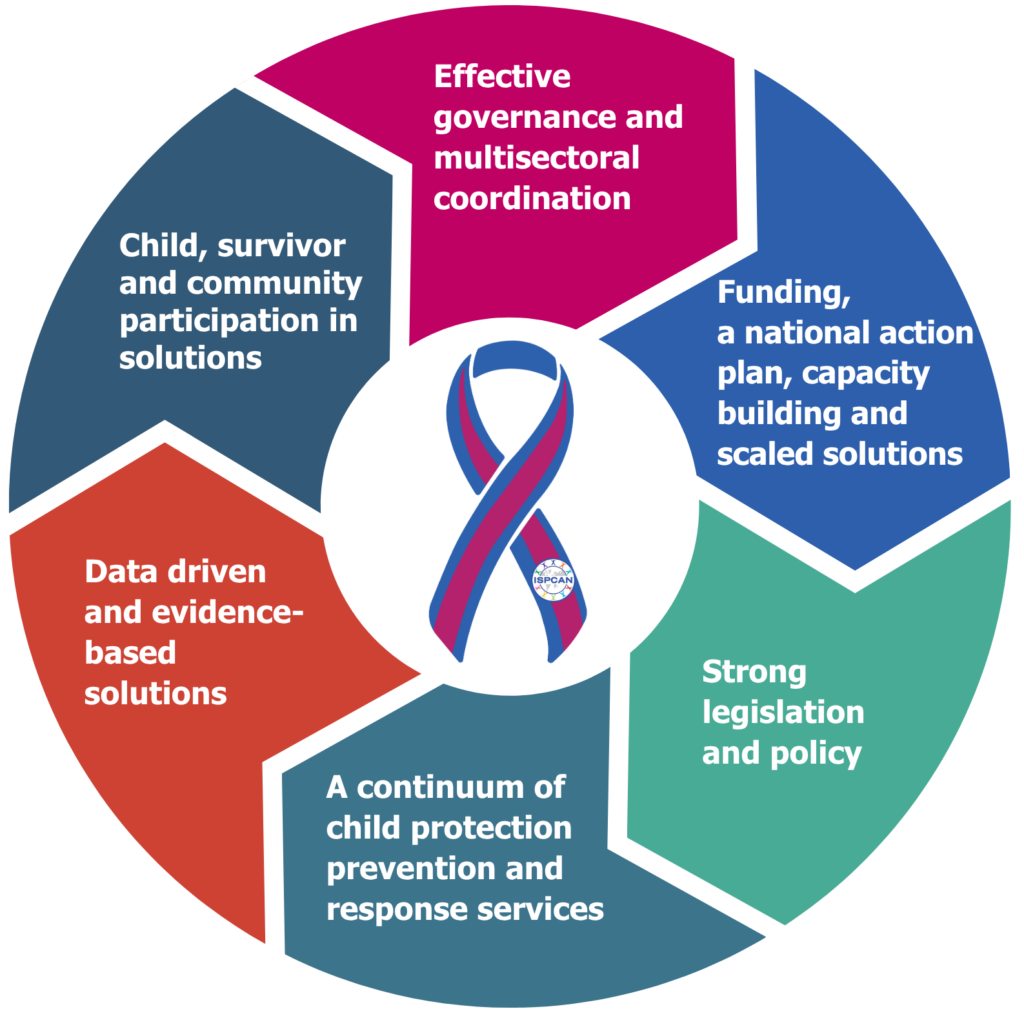
      The Six pillars of success from the Rise Up Policy Forum.

      Session Summary

      Research shows that fewer than half of children disclose experiences of violence to friends or family, only about a quarter actively seek help, and fewer than 10% ever receive formal support. Health professionals—whether doctors, nurses, dentists, or mental health practitioners—are often the first to notice signs of abuse during routine check-ups, emergency visits, or adolescent health services. This positions them uniquely to provide early recognition and first-line support. Yet, without adequate training, these opportunities are frequently missed.


       

      Rise Up Session Date and Time:
      October 9, 2025 2:30 pm
      Country or Region Focus:
      Africa, Global
      Type of Session:
      Interactive & practical "how to" lessons for program design and scale with Namibia country case study
      Public Health Pillar Focus:
      A National Action, Capacity Building, and Scaled Solutions, A Continuum of Child Protection Prevention and Response Services

      Speakers

      • Sabine Rakotomalala, World Health Organization
      • Dr. Katrina Marita Mouton, Primary Health Care Lead in the Khomas Region, Government of Namibia
      • Melissa Kimber, Lead of the Violence, Evidence, Guidance, Action (VEGA) Project, McMaster University, Canada

      Session Aims

      This session aims to provide:

      • An overview of the WHO Guidelines on health sector responses to child maltreatment.
      • Present country-level application in Namibia of the Guidelines.
      • A summary of current capacity-building initiatives available to health professionals.
      • Advocate for stronger national policies that integrate healthcare, social services, and law enforcement for faster, better coordinated, and more effective interventions.