Melbourne Congress: Scientific
Save the date
Main Congress: August 24-26, 2026
Rise Up Policy Forum: August 27
Precongress Working groups: Aug 23
We bring together the brightest minds in child protection from every sector to innovate and share best practices. Join us to keep pushing the boundaries of research and practice to ensure that all children have the chance to thrive no matter what their experience.
Transforming approaches to safety and healing
The Scientific Committee is delighted to welcome you to Melbourne. The theme of this Congress “Transforming Approaches to Safety and Healing” will offer cutting edge research outcomes, practice innovations and professional education showcasing improvements in child welfare and trauma response practices and policies worldwide. Our community of experts, clinicians, researchers and advocates will gather to present, network, and collaborate on the state of the science approaches that facilitate healing following trauma. A feature of the ISPCAN congress is its global, multidisciplinary appeal, with high relevance to practitioners, academics, advocates and policy makers, spanning social work, medicine, the law, allied health, psychology, psychiatry and pediatrics. A focus on lived experiences of children, young people and adults will inform the future of our responses to child welfare and recovery.
Under the broad “Transforming Approaches to Safety and Healing” banner, we will take a deep dive into topics ranging from prevention approaches which identify the critical role of health systems in identifying, preventing and responding to child abuse and trauma, to interventions that transform trauma with a focus on therapeutic, culturally informed models of care. Together, we will reimagine transition from care possibilities.
Public health and health systems are critical partners. Bringing together ideas, practice and research to inform health systems and public health interventions into best practice in trauma informed, culturally competent care and healing. Mental health interventions that are evidence-based and address culture and intergenerational trauma are also an important aspect of this congress.
Diversity and culture will inform the core of our conference with attention to support of Indigenous and First Nations peoples from around the globe. Addressing the complexity of intergenerational trauma and colonisation in order to decolonise and transform child welfare approaches that strengthen families and communities will be emphasized. Culturally responsive and community led health models which prioritise First Nations self-determination is a focus of this approach.
Evidence-based practices will be promoted. These encompass prevention strategies addressing culture, gender, and the right of community to address best interests of a child. Marginalised populations that include LGBTQ+ individuals, incarcerated youth, the criminal justice system for equity and promotion of healing rather than the perpetuation of institutionally based trauma are included in the themes of this congress. This congress will also showcase child centred approaches to family and gender-based violence.
Addressing digital threats and solutions continues to remain a high priority for research and intervention as is re-engineering the underlying factors and healing approaches to youth drawn into this dangerous world.
The Melbourne ISPCAN Congress will mobilise transformative knowledge through the exploration of contemporary research outcomes and dissemination of contemporary findings. This approach enables the incorporation of science into interventions and programs that ultimately promote safe, secure and healing approaches to family and communities.
Your support is warmly welcomed as we guide our support of families, communities, children, and young people into the future.
Warmly,
Lori Frasier, MD
Professor of Pediatrics
Penn State Center for the Protection of Children
Penn State Hershey Medical Center
Penn State Hershey College of Medicine
Lynne McPherson, PhD
Chair, Out of Home Care Research
Director of Research, Centre for Excellence in Therapeutic Care,
Deputy Director, Centre for Children and Young People,
Southern Cross University
Inspiring Keynoters


Emma Hakansson
Chair of ACF's Lived Experience Advisory Committee


Program Main Events
*Please note that the program is online so we recommend you bookmark this link. If you prefer a printed program please download the latest program above to print and bring with you.
Thank you for helping us go green to help our planet.
ISPCAN Melbourne 2026 Scientific Theme
Transforming Approaches to Safety and Healing
Program Themes
Transforming out-of-home care and youth justice
Our most vulnerable and at risk children come into contact with the out of home care system, the youth justice system or, very often, both. This stream will explore advances in kinship, foster, and residential care, along with approaches that re-shape youth justice systems to better meet the needs of children and young people who have experienced abuse and trauma. It will focus on therapeutic, culturally embedded models that improve outcomes and life trajectories for children and young people, solutions that are co-designed with children and young people and strategies that disrupt the criminalisation of children in out-of-home care, and reduce the over-policing of at risk children and young people.
Sub Themes:
• Therapeutic and trauma-informed models of care – innovations in kinship, foster, and residential care that respond to the complex needs of children affected by abuse, neglect, and systemic disadvantage.
• Supporting transitions – reunification, leaving care, aftercare, and pathways to independence.
• Challenging criminalisation –addressing systemic drivers of youth incarceration and developing alternatives that prioritise care, safety, and dignity.
• Integrated and collaborative service responses – Exploring the interface between child protection and youth justice populations and the cross-sector coordination required to deliver holistic, wraparound support for children navigating care and justice systems.
• Reimagining youth justice – from punitive responses to therapeutic, trauma-informed and restorative, child-centred justice approaches.
• Co-design with children and young people – approaches that elevate lived experience and empower children and youth to shape the systems, programs, practice and research agendas that serve them.
Preventing and responding to the harm caused by abuse, neglect and exploitation within families, communities, organisations, institutions and businesses
This stream will focus on innovation in preventing and responding to child abuse in all its forms including organised forms of trafficking and exploitation. It will examine how criminal justice, child protection, and therapeutic systems, communities and organisations intersect -and where they fall short - in preventing abuse, holding offenders to account, and supporting children’s recovery. The stream will highlight innovative approaches that uphold children’s rights to safety, justice, and healing.
Sub Themes:
• Therapeutic and mental health treatment interventions – evidence-based approaches that support positive mental health, recovery, balance accountability and care, and ensure safety.
• Prevention and education – school and community strategies to build protective environments and strengthen boundary education.
• Family, community, and cultural contexts – reducing stigma, supporting families, and adapting global models to local contexts and realities.
• Understanding networks and systemic blind spots that allows organised abuse and exploitation to persist.
• Criminal justice responses – how policing, courts, and statutory systems respond to abuse and exploitation, and opportunities for reform.
• Embedding strong safeguarding cultures within organisations, institutions, and communities.
• Safeguarding in commercial environments – from travel to financial institutions, the role businesses play in keeping children safe.
• Examining proactive prevention measures, child-centred reporting systems, and lessons learned from inquiries and reviews.
• Reporting and accountability – ensuring safe, child-centred mechanisms for responding to disclosures.
Culture, social norms and diversity as mediators of safety, risk and healing
This stream will critically explore the role of culture, gender identity, race, disability, and religion as protective, risk, or healing factors in the abuse of children and young people and seek to examine how these intersecting identities and social frameworks can both contribute to vulnerability and foster resilience. This stream will seek to challenge assumptions, amplify marginalised voices, and advance understanding of how these factors shape children and young people's experiences of protection, harm and healing across diverse cultural and social contexts, including the unique historical context and ongoing impacts of colonisation for First Nations peoples. .
Sub Themes:
• Cultural healing and connection – exploring cultural ways of knowing, with a focus on healing through relationships, culture, and community.
• Culture as protection and recovery – Indigenous knowledge systems as pathways to belonging, resilience, and trauma-informed care.
• Cultural determinants of health and well-being – engaging with strengths such as self-determination, identity, kinship, language, spirituality, and cultural continuity.
• Decolonising safeguarding and care – reimagining child protection through Indigenous-led practices and moving beyond Western frameworks.
• Community-led prevention and sector collaboration – strengthening child-centred responses through coordinated, culturally grounded, community-level approaches.
• Intersectional vulnerabilities and resilience – examining how overlapping identities—such as race, gender identity, disability, and religion—shape experiences of harm and recovery.
• Gender identity and inclusive approaches to safety and healing – investigating the risks faced by LGBTQ+ children and young people, and the role of affirming care in healing and protection.
• Disability, access, and empowerment – Understanding how ableism and systemic barriers contribute to vulnerability, and how inclusive practices promote safety and healing.
• Racial justice and child protection – addressing the impact of racism and racialised systems on abuse and recovery, and elevating culturally responsive approaches to care.
From prevention to healing: strengthening child protection through primary and public health approaches
This stream highlights the critical role of health systems in identifying, preventing, and responding to child abuse and trauma. It emphasizes integrated, community-based strategies that promote prevention, early intervention, data and epidemiology, quality improvement, holistic recovery, child death review, system strengthening and long-term wellbeing for children and young people.
Sub Themes:
• Public health approaches for safer communities – population-level approaches to reducing child maltreatment through education, policy, and community engagement.
• Early intervention and prevention in primary health care – leveraging frontline health services to identify risk factors, support families, and prevent harm before it escalates.
• Trauma-informed health systems – embedding trauma-aware practices across health settings to support recovery and resilience in children and young people.
• Health equity and access – addressing disparities in healthcare access for vulnerable children, including those from marginalised communities.
• Cross-sector collaboration for child wellbeing – strengthening partnerships between health, education, social services, and justice to deliver coordinated protection and care to build capacity.
• Culturally responsive and community-led health models – integrating Indigenous and culturally grounded approaches into mainstream health responses.ensuring that First Nations communities lead and control processes that affect them, and that there is genuine commitment to equity, justice and self-determination.
• Child participation in health and healing – co-designing primary and public health interventions with children and young people.
• Epidemiology of child maltreatment+ data driven and evidence based solutions
• Policy and legislation to ensure enforcement, scaling up and investment in child protection
Centring children in responses to family and gender-based violence
This stream confronts the reality that children are frequently the silent, forgotten victims in situations of family and gender-based violence. It calls for a child-centred lens in policy, practice, and research—recognising the profound and lasting impact of violence on children's safety, development, and wellbeing, and advocating for integrated responses that protect, heal, and empower. Emphasis will be placed on approaches that foster empowerment and resilience, engage young people in shifting harmful norms, and address regional priorities such as trafficking, forced marriage, and sexual exploitation.
Sub Themes:
• Fostering child centred approaches to family and gender-based violence – understanding the indirect and direct effects of family and gender-based violence on children’s emotional, physical, and developmental health.
• Embedding therapeutic, developmentally appropriate responses to family and gender-based violence across health, education, justice, and social care systems.
• Intergenerational cycles of violence – exploring how exposure to violence in childhood shapes future relationships, identity, and risk.
• Supporting non-offending parents and caregivers – strengthening protective relationships and empowering caregivers to support children’s healing.
• Innovation in men’s behaviour change approaches.
• Changing community attitudes that support violence – shifting harmful gender norms and power imbalances to support equality and respect.
• Exploring forced marriage, trafficking, sexual exploitation, and other gender-based practices.
• Trauma informed trainings, screening, identification, therapies and prevention programs for all sectors
Re-thinking child safety in a digital world
In an era where digital technologies shape nearly every aspect of childhood -from learning and play to relationships and identity - traditional models of child protection must evolve. This stream invites a re-imagining of how we safeguard children and young people in increasingly interconnected environments. It recognises that the online world is not separate from the offline but an extension of children and young people's lived realities, carrying both risks and opportunities. This stream will explore how digital safety intersects with broader issues of parenting, mental health, legal accountability, and social inclusion. It will highlight the urgent need for innovative, rights-based approaches that empower children and families, build digital resilience, and ensure ethical governance of online platforms. By centring children's voices and experiences, we aim to foster a future where technology enhances, not endangers, the wellbeing of every child.
Sub Themes:
• Parenting in the digital era – exploring innovative parenting approaches that balance supervision, trust, and empowerment in children’s online lives.
• Digital resilience and emotional literacy – building children’s capacity to navigate online risks, peer pressure, and digital conflict with confidence and self-awareness.
• Legal, Ethical, and Compliance Frameworks – examining current laws, platform responsibilities, and international standards for safeguarding children’s rights in digital spaces.
• Online – offline intersections of harm and healing – understanding how online abuse, bullying, and exploitation impact offline wellbeing—and how integrated responses can support recovery.
• Technology-enabled child protection – leveraging AI, data analytics, and digital tools to detect harm, support early intervention, and enhance safety systems.
• Youth-led digital safety solutions – co-designing platforms, policies, and education programs with children and young people to reflect their lived experiences.
• Inclusive digital environments – ensuring digital safety strategies are inclusive of diverse cultural, linguistic, and neurodiverse needs.
• Cross-sector collaboration for holistic safety – strengthening partnerships between tech companies, educators, health professionals, and child protection agencies.
Deadlines
Abstract Submissions: Closed
ALL abstracts go to Double blind review (2 reviewers per abstract): Rolling Review in Progress
Author notifications: Notifications have been sent out. If you have not received a notification, please check your Spam folder or reach out to Jessica Moebus @ jessicam@icmsaust.com.au
Deadline for Presenters to Register: April 15, 2026
Waitlisted Author notifications: April 16, 2026
Waitlisted Presenter Registration Deadline: May 15, 2026
Registration Open - Early Bird Registration Closes June 30, 2026
(Visa invitation letters sent through registration system)
Draft Program Ready: May 1, 2026
Rise Up Policy Forum session proposals close May 1st 2026
Author Guidelines
General Information & Deadlines
Abstract MUST be submitted electronically via the online submission system.
- Abstract can be submitted into the themes and subthemes listed above
- Authors choose their preferred format for each submitted abstract. Please note that the ISPCAN 2026 Scientific Committee will decide the final presentation type and what is offered might be different.
- Authors will only be offered one speaking spot so if you submit multiple abstracts that score well, only the highest scoring format will be accepted.
- Abstracts can be amended in the online submission system until final submission deadlines.
- All submitted abstracts will be included in the double blind, peer review process and scored by two independent reviewers.
- All presenting authors will receive an acceptance/rejection/waiting list notification via e-mail If you have not recieved a notification please check your Spam folder or reach out to congress organizers at the contact email below.
- Accepted abstracts will form part of the final scientific program as notified by the committee. Program is developed by theme and authors cannot request time or day.
- All accepted presenting authors must register for the Congress by deadlines to be guaranteed a spot in the program.
Presentation types
Authors indicate their preferred presentation format. Based on the review process, the Scientific Committee will make the final determination regarding the presentation format of accepted abstracts. Due to the system we are using the links for submission are unique to the type of session so please see below:
- Oral – Research or Practice
- Poster – Research or Practice
- Workshop – Research or practice
- Multimedia – Research or practice
- Master Class
- Symposia – Research or practice
- Rise Up Policy Forum Mastermind session coming soon!!
Abstract Formatting for Individual Submissions
- All abstracts must be written in English.
- When submitting your abstract, please select the corresponding thematic topic.
- The abstract title is limited by 200 characters and must be submitted using the Sentence case, which is the lower case except where capital letters are commonly used (e.g. ‘My abstract about ISPCAN 2025 in Vilnius’).
- Up to 20 authors can be submitted under one abstract (including presenting author). The presenting author is selected first; other authors can be added only when the presenting author is submitted. However, the authors order could be changed if needed by swapping the names at the list of the co-authors. The first name is considered to be the main author.
- A short biography of the presenting author is required and should not exceed 200 words.
- The abstract length is up to 500 words, except for Master Class, which is 2000 words. Authors can choose to include or exclude references in the text without affecting the evaluation of their abstract. You can return to the system to edit until you “Submit”. Data or methods for both research and practice must be shared. Key takeaways for the audience must be included.
- Up to 1 picture/table/chart is allowed within the abstract text (optional). Please check carefully if your picture was uploaded successfully. You will see it in the abstract overview at the end of the submission.
– Required elements for RESEARCH geared abstracts:
- Objectives
- Method
- Results
- Conclusions
- List of 3-4 recommendations or takeaway points for the audience
– Required elements for PRACTICE based abstracts:
- Background/context
- Program goals
- Program activities/services & program evaluation data (if available)
- Strengths and challenges (include any child or family outcomes/impact data)
- Next steps
Oral presentation
- Each presentation is allocated 15 minutes. A 15-minute panel discussion will follow all presentations within the session.
- Each session will have a moderator to help lead the session
Posters
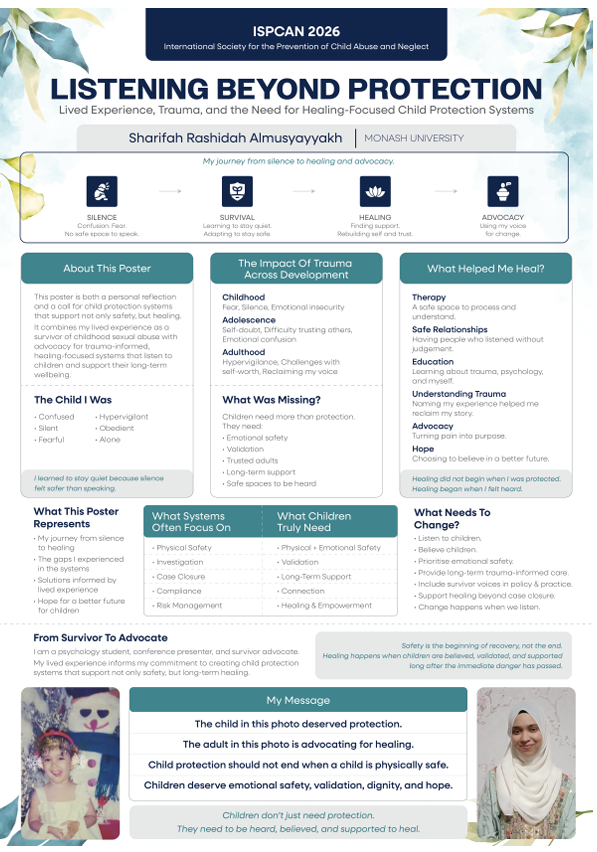
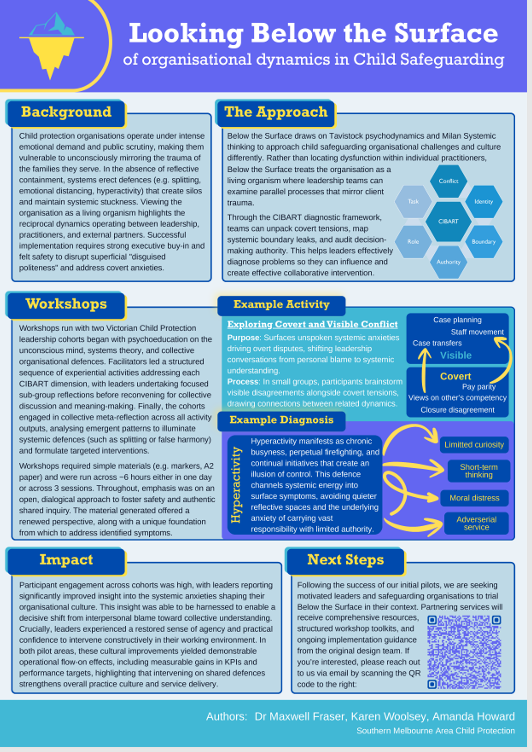
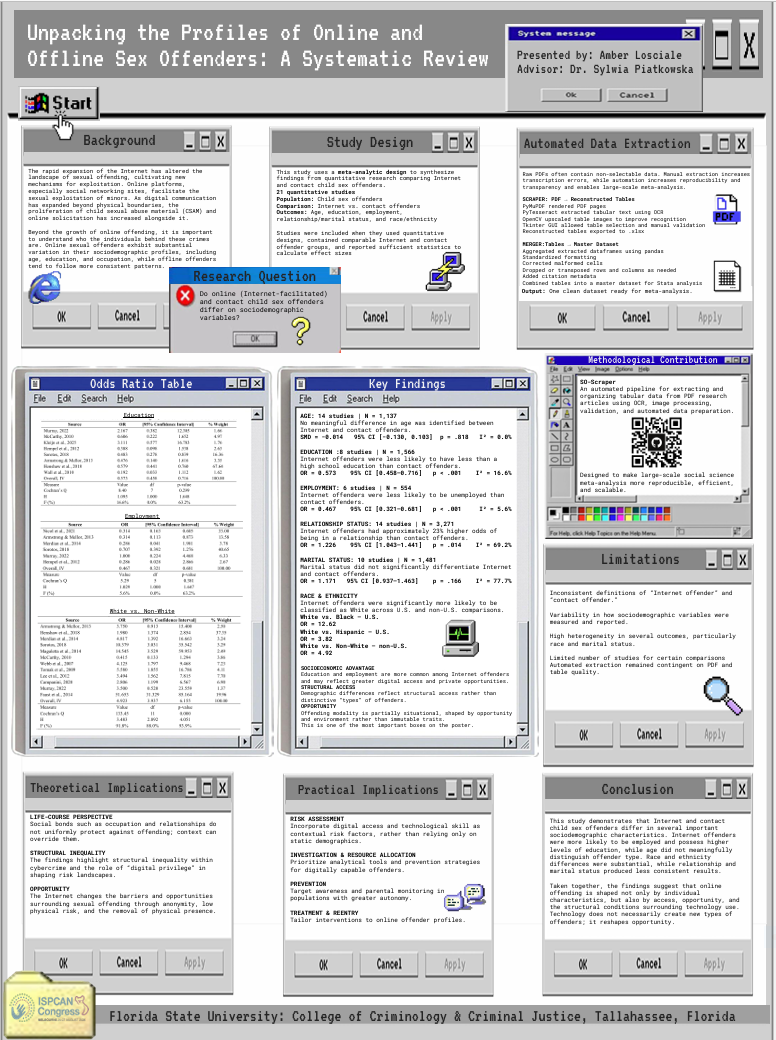
- Poster Presentation: Posters will be displayed throughout the event for viewing during scheduled breaks. Authors are welcome, but not required, to be present to discuss their work.
- Poster Awards and voting: Best posters will be awarded a prize and recognition for the top 3 as scored in the scientific process + voted on by their peers.
Workshops, Multimedia presentations, and Master Classes
- Workshop (45 minutes): A workshop is a session involving interactive learning and the building of new skills. Abstracts intended for workshops should include skill-based learning objectives and describe how interactive learning will be incorporated.
- Multimedia Presentation (45 minutes): The author provides an overview of the multimedia presentation, and theme to be discussed by the session participants and facilitates the discussion all during one-hour session. The overview and theme for discussion are required in the abstract submission.
- Master Class (2 hours): Proposed classes must have instructor CV, clear learning objectives, an overview of 2-hour master class, and level of course along with handouts, references, and an interactive/question & answer period(s). Upload all materials to be reviewed. Please make sure this is complete, or they will not be considered.
Abstract Formatting for Symposium or Proposing a Rise Up Mastermind Session
Symposium (90 minutes) – Research/Practice
A symposium is a topical presentation with 4-5 papers that address a common theme. Each symposium requires a corresponding author to act as session chair/convener and who is responsible for the session. All symposium or panel submissions MUST be submitted in one single abstract which cannot exceed 1000 words. (Please do not submit separate abstracts for the 4-5 papers that will all be part of the symposia. We are asking for the one overarching abstract only).
All author information must be submitted with this abstract and structured as follows:
(1) Title of the Symposium
(2) Overarching abstract
(3) Abstract presentation + Name of presenters for all 4-5 speakers/papers
(4) Main take away points
**Please make sure not to mention the names of the panel speakers in the description to comply with the rules of blind peer review.
Each symposium requires a minimum attendance of 4 presenting authors who must register and pay in full to be included in the Congress program by the deadline. Each symposium requires a corresponding author to act as session chair/convener and who is responsible for.
———————————————————————————————————————————-
Rise Up Policy Forum Mastermind Session (approx. 60 minutes)
Rise Up Mastermind Sessions seek to galvanise practical progress on a critical child protection issue by bringing together multi-sectoral perspectives, including government; linking research, practice and policy; sharing best practice, solutions and transferable examples; presenting country progress (governments only); and exploring critical current issues in an innovative way.
Sessions must:
- be interactive
- include a government speaker
- advance public health and system-strengthening approaches to child protection through one or a combination of the following pillars:
1. Advance Data Driven and Evidence Based Solutions to ending violence, abuse and neglect against children
2. Improve Policies and Legislation
3. Create an effective Multi-sectoral Coordinated Response
4. A continuum of prevention and response services: Community level coordination
5. Invest in National Action Plans and bring solutions to Scale
6. Establish Mechanisms for Child Participation in Solutions
Download the guidance on proposing a Rise Up Mastermind Session for full details.
Deadline for proposing sessions – 31 March 2026.
Abstract Scoring
-Abstracts will be scored in a double blind scientific review on four categores:
-Technical merit and methodology
-Innovation
-Readability
-Key findings or takeaways
Oral Presentation Guidelines for accepted authors
Oral Presentation Guidelines:
Poster Presentation Guidelines for accepted authors
Poster Presentation Guidelines:
Abstract Submission Portals
Oral, Poster, Workshops or Multimedia submission portal for Research or Practice formats
Master Class submission portal for 2 hour Expert Skill Building Course
Symposia Submissions (4-5 abstracts on one topic submitted together from min 4 authors)
Rise Up Mastermind Session for Rise Up Policy Forum held on 27 August
Questions? Reach out to the following email address for congress questions.
- Jessica Moebus: jessicam@icmsaust.com.au for abstract system or IT related questions
- Sofia Figuera for general questions, exhibitions, or other information: SofiaF@icmsaust.com.au