Rising Up to Hidden Harm: African-Led Evidence Driving Public Health Action on Abuse in Young People’s Intimate Relationships in Uganda
Presented By:
This session responds to the urgent call to “rise up” to hidden and normalised harms affecting young people.
Drawing on African-led research including a large-scale survey of adolescents and young adults in Uganda, it examines the scale and nature of abuse within adolescent intimate relationships, including child sexual exploitation. These harms are often overlooked within existing child protection systems.
The session demonstrates how locally generated evidence can drive public health approaches to prevention and system strengthening. Through interactive discussion and co-design, participants will explore how to identify harmful and exploitative dynamics and translate evidence into practical, prevention-focused action. By centring African perspectives and partnerships, the session highlights how evidence can move beyond insight to impact, supporting system-level change across diverse contexts.

Speakers
- Dr Esther Nanfuka, Makerere University
- Josephine Nsubuga, The Fortress, Uganda
Session Aims
1. To centre African-led, locally grounded evidence on the scale, nature, and lived realities of abuse within young people’s intimate relationships.
2. To demonstrate how this evidence can drive system strengthening through public health approaches.
3. To support participants to translate evidence into action for prevention within their own policy and practice contexts
Session Format
This session will embody a “Rise Up” participatory approach, combining brief inputs (35 minutes) with interactive engagement (25 minutes), including:
- Live polling to challenge assumptions and surface diverse perspectives on relationship norms and harm
- Small-group discussions using the findings from out survey
- A co-design exercise where participants develop actionable, prevention-focused responses for their own systems.
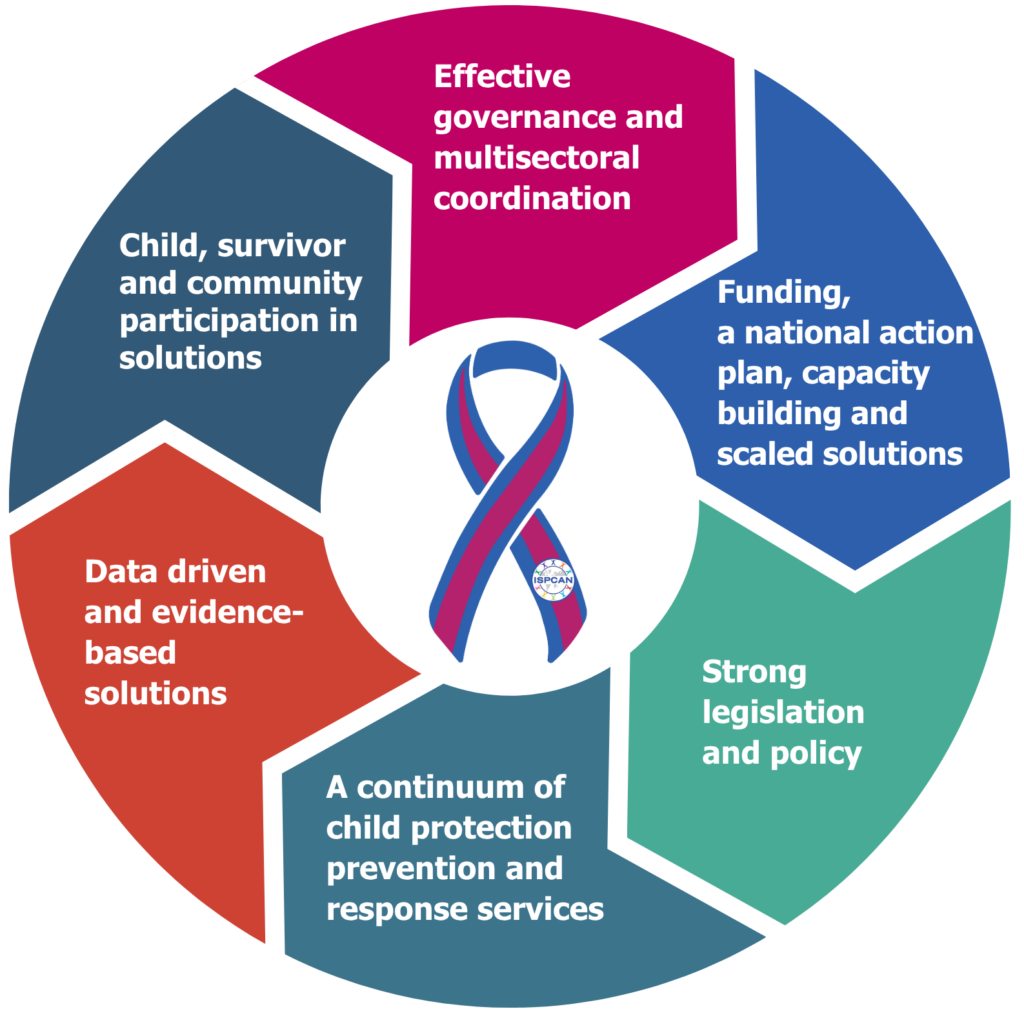
This interactive format supports shared ownership, peer learning, and collective action, aligning with ISPCAN’s emphasis on participation and impact.