Search Suggestions

      Embedding Multisectoral Communities of Practice into Government Systems: Lessons from South Africa

      Presented By:

      Centre for social development in africa logo
      Centre for Social Development in Africa, University of Johannesburg
      Gauteng Department of Social Development, Johannesburg Child Welfare
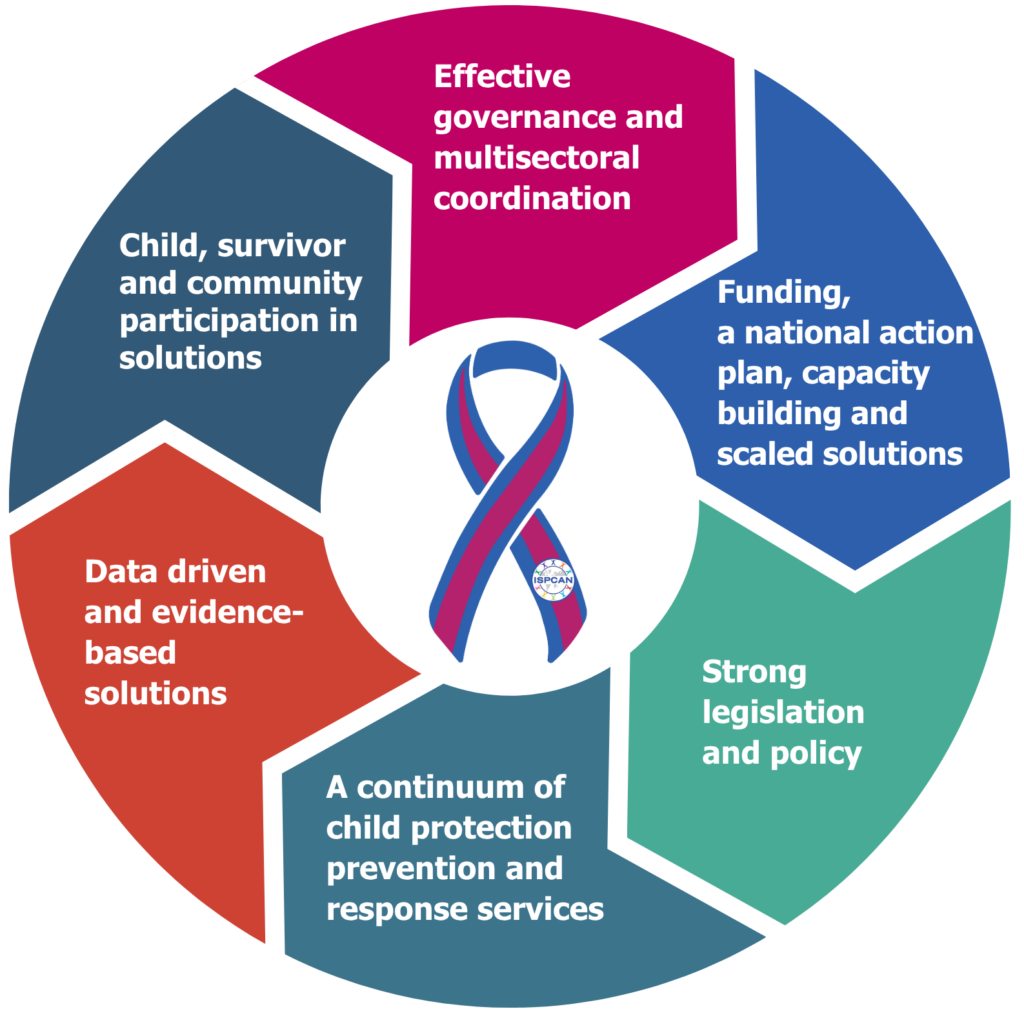
      The Six pillars of success from the Rise Up Policy Forum.

      This session presents a South African case study on embedding a multisectoral Communities of Practice (CoP) model within government and NGO systems to improve child wellbeing outcomes.

      Implemented in school settings, the model used a digital Child Wellbeing Tracking Tool (CWTT) to assess children and families across multiple domains and identify those at high risk, enabling early intervention. The initiative was delivered through collaboration between the Department of Social Development, City of Johannesburg, and Johannesburg Child Welfare.

      The session focuses on efforts to institutionalise coordinated, data-driven service delivery within government systems. Through guided roundtable discussions, participants will reflect on early identification, multisectoral coordination, and scaling challenges, generating practical insights for strengthening child protection systems in diverse African contexts.

      Rise Up Session Date and Time:
      June 25, 2026 11:45 am
      Country or Region Focus:
      Africa
      Type of Session:
      Rise Up Session
      Public Health Pillar Focus:

      Speakers

      Session Aims

      •  To share lessons from embedding a multisectoral Communities of Practice (CoP) model within government and NGO systems
      • To examine practical enablers and barriers to institutionalising coordinated child protection services
      • To facilitate cross-country dialogue on scaling integrated, data-driven approaches to child wellbeing

      Session Format

      Format: Interactive case-based roundtable discussion Structure:

      • 15 minutes – Case study presentation Overview of the CoP model, implementation in school settings, use of the CWTT to assess children and families, and embedding within government and NGO systems

      • 10 minutes – Multi-sector perspectives Reflections from the Department of Social Development, Johannesburg Child Welfare (NGO), and research partner

      • 25 minutes – Guided roundtable discussion Participants engage in small-group discussions using structured questions focused on: Early identification and intervention in their contexts Barriers and enablers to multisectoral coordination Institutionalisation and scaling within government systems

      • 10 minutes – Plenary synthesis Key insights shared and linked back to lessons from the South African case