Search Suggestions

      Cultivating Responsible, Engaged, and Loving Fathers in Uganda: Processes for Evidence Generation and Government-Led Sustainability to Reduce Household Violence Against Women and Children

      Presented By:

      Ministry of Gender Labour & Social Dev't
      Ministry of Gender, Labor and Social Development
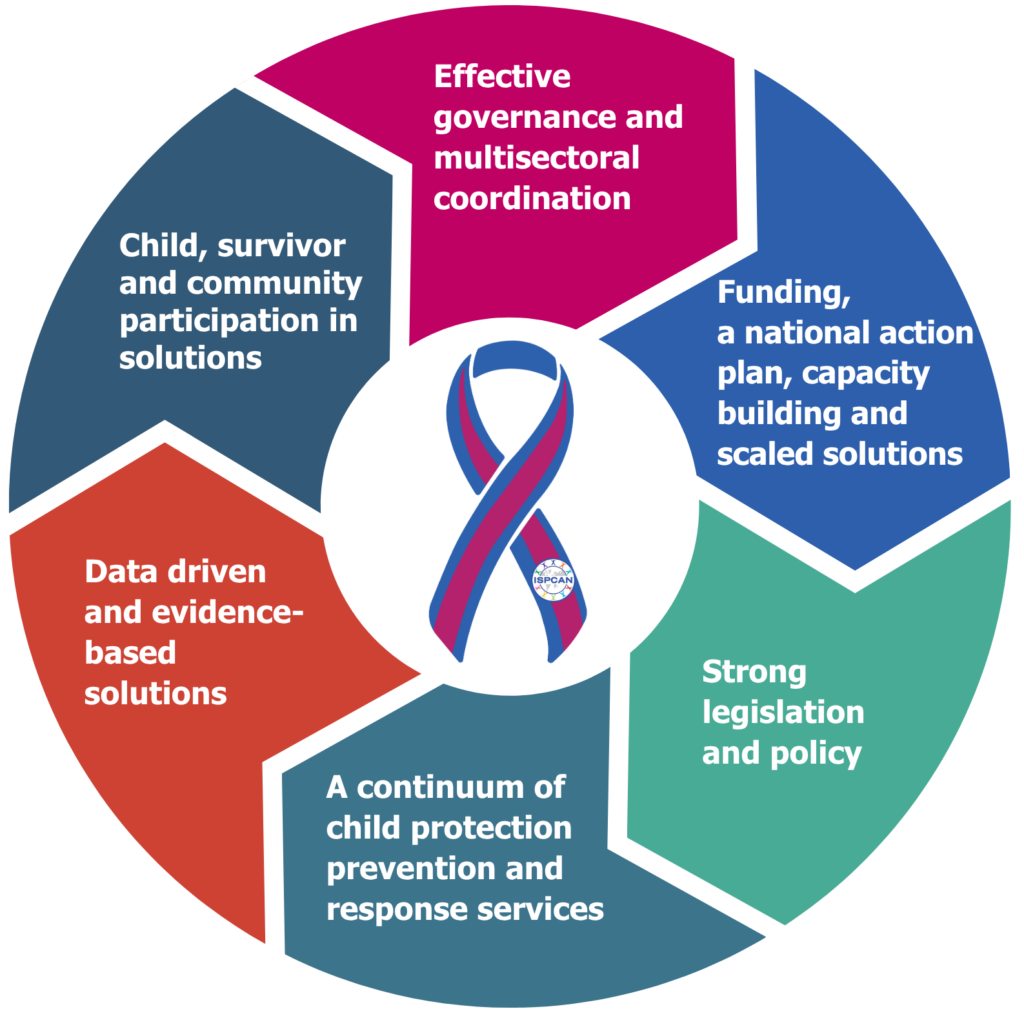
      The Six pillars of success from the Rise Up Policy Forum.

      Violent discipline remains one of the most prevalent forms of violence against children in Uganda.

      This interactive session will provide an overview of the impact and scale-up efforts of the REAL (Responsible, Engaged, and Loving) Fathers program, an evidence-based intervention that engages fathers as partners in reducing violent child discipline and intimate partner violence through the promotion of responsible and engaged fatherhood. Participants will explore national-level impact data from fathers and families, review the program's integration into Uganda's government systems and child protection structures, and examine the role of the REAL Fathers Advisory Committee in driving data-informed decision-making and sustainability.

      The session highlights how Uganda is translating national child protection commitments into practice by embedding a proven program within existing local and regional government structures.

      Through interactive discussion, participants will better understand pathways for scaling evidence-based parenting programs to national reach across diverse country contexts.

      Rise Up Session Date and Time:
      June 25, 2026 11:45 am
      Country or Region Focus:
      Africa
      Type of Session:
      Rise Up Session
      Public Health Pillar Focus:

      Speakers

      Session Aims

      • Share national-level quantitative and qualitative evidence on the impact of the REAL Fathers program in reducing violent child discipline and intimate partner violence—and improving couple communication and positive discipline practices.
      • Describe how REAL Fathers has adapted to changing needs and environments since the project’s inception in 2012, face of evolving social, political, policy, and funding landscapes.
      • Share government stakeholders’ insights into pathways and processes for scaling REAL Fathers to the national level, including how the current Advisory Committee is using data-informed decision-making to translate Uganda’s child protection commitments into practice.

      Session Format

      The session uses four sequenced segments to move participants from context to evidence to action:
      Interactive introduction (10 minutes): A brief history/overview of the REAL Fathers program’s adaptations and policy connections, delivered through live Mentimeter polls that invite participants to guess key facts before presenters reveal the answers and provide context. This orients the room while immediately establishing two-way engagement.
      Data walk (15 minutes): Participants move around the room to review posters with information about REAL Fathers adaptation and scale since 2012, and quantitative and qualitative impact data from fathers and families. Participants leave questions and reflections on sticky notes, which feed into subsequent discussion.
      Panel discussion (20 minutes): A focused conversation among speakers on embedding REAL Fathers within government systems and the role of the Advisory Committee.
      Audience Q&A (15 minutes): Audience members can ask follow-up questions to the Ugandan stakeholders, with the aim of identifying ways for other country stakeholders to draw upon the best practices of REAL Fathers to their own context