
Search Suggestions
      Policy Brief

      A Safe Future for Every Child: How Multisectoral Partnership Ends Child Labour

      Executive Summary

      Problem: Child labour is a global crisis, violating the rights of over 138 million children, with 54 million in hazardous work like mining (driven by demand for minerals in green energy and electronics).[1] Child labour subjects children to violence and exploitation, and robs them of education and development. Evidence shows the social and economic costs of violence against children manifest at the time of the violence and throughout the life course, often into subsequent generations.[2] The root causes are multi-dimensional poverty, harmful social norms, and a lack of quality education.

      Key Finding: Accelerating systemic change requires multi stakeholder collaboration centred on the lived experiences of affected children to create survivor centered systems. A multi-pronged approach to strengthen systems, increase accountability, and tackle root causes is needed.

      Key Recommendations
      • Ensure meaningful and inclusive participation of children as a non-negotiable step.
      • Bridge silos and financially support local civil society organizations to reach vulnerable communities.
      • Companies must strengthen due diligence and commit to paying living wages across supply chains to prevent poverty-driven child labour.
      • Strengthen social protection and community initiatives through targeted research and public budgeting to address root causes.
      • Implement policies to formalize artisanal and small-scale mining with clear regulations, child labour-free zones, and robust inspection. mechanisms.

      The Questions We Sought To Answer:

      What are the key challenges in addressing child labour as a form of exploitation?
      What roles can the government, the private sector and other key stakeholders play in addressing child labour at different levels of implementation?
      In what ways can children and youth actively engage with various stakeholders, such as government, CSOs and the private sector?
      Country or Region Focus:
      Asia, Africa, Global
      Public Health Pillars:
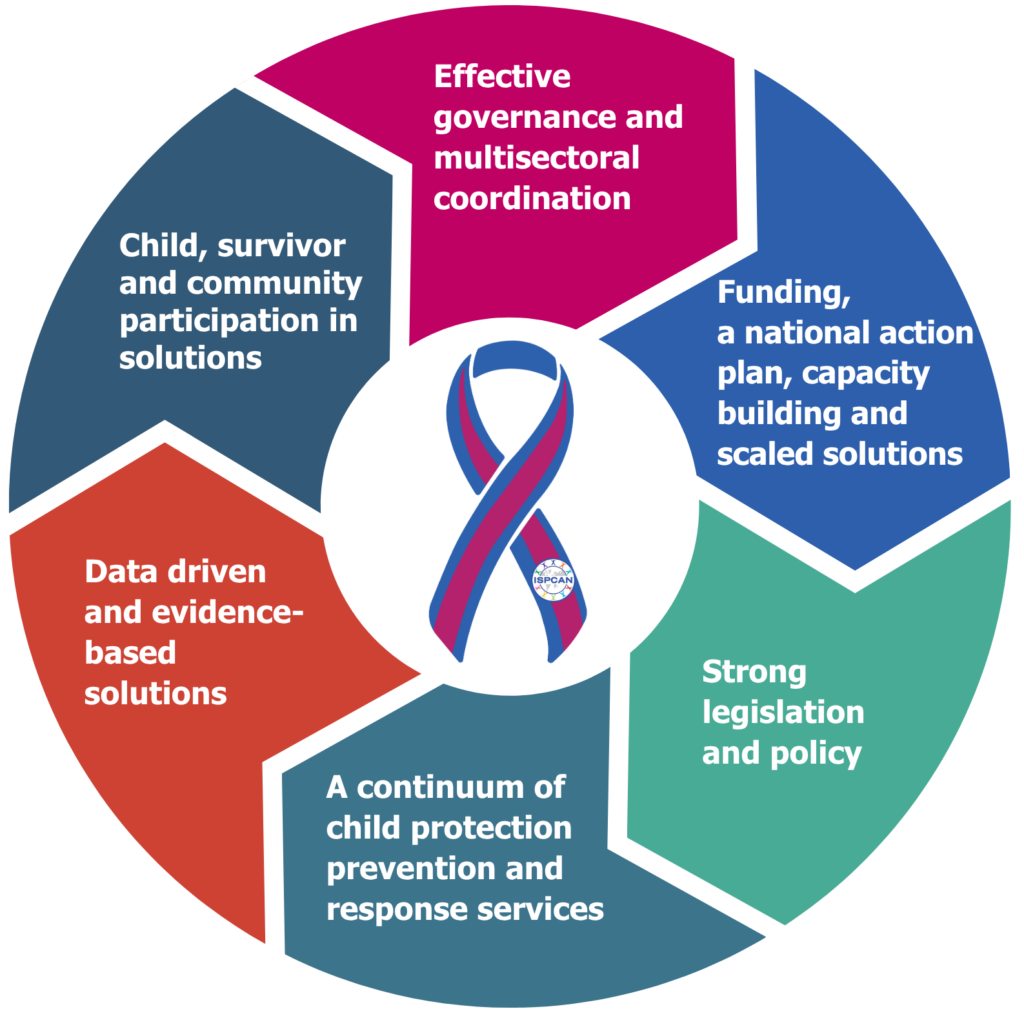
      Child, Survivor, and Community Participation in Solutions

      Effective Governance and Multi-Sectoral Coordination

      A Continuum of Child Protection Prevention and Response Services

      Data Driven and Evidence Based Solutions
      CHILD TRAFFICKING AND UNSAFE MIGRATION BETWEEN KENYA AND ETHIOPIA: TRANSFORMING SOCIAL NORMS AND STRENGTHENING CHILD PROTECTION IN MARSABIT
      Child Labour in the Coffee Industry in Eastern Uganda
      CHILD LABOUR IN MADAGASCAR’S MICA SECTOR
      GLOBAL MICA MINING AND THE IMPACT ON CHILDREN’S RIGHTS
      CHILD FRIENDLY INFORMATION ON PLANS BY THE ASSOCIATION OF SOUTHEAST ASIAN NATIONS (ASEAN)N) TO STOP THE WORST FORMS OF CHILD LABOUR
      Championing Child Participation in ASEAN’s Efforts to Prevent Child Labour and Eliminate its Worst Forms
      Call for inputs to the report by the Special Rapporteur on Human Rights in the life cycle of Renewable Energy and Critical Minerals Submitted by - Terre des Hommes Netherlands on 29.04.2025

      Contributing Partners:

      terre des hommes netherlands
      Terre des Homme Netherlands

      About ISPCAN Rise Up Policy Forum

      The ISPCAN Rise Up Policy Forum is a global initiative to catalyze progress in child protection through a public health and system strengthening approach. It brings together governments, researchers and practitioners in a community of practice and learning, to build on and translate into action the pledges made during the 2024 Ministerial Conference on Ending Violence Against Children.

      Supported by:

      ISPCANLogo (002)
      SOS Kinderdoerfer Weltweit Logo