Lessons Learned from Implementing INSPIRE in Low- and Middle-Income Countries
Nearly a decade since the launch of INSPIRE: Seven Strategies for Ending Violence Against Children, the framework has provided countries with an evidence-based approach to preventing and responding to violence against children. While substantial progress has been made in strengthening the evidence base and incorporating INSPIRE into national policies and programmes, translating evidence into effective, sustainable, and population-level implementation remains a major challenge, particularly in low- and middle-income countries (LMICs).
This session will provide an update on INSPIRE and the evolving evidence on what works, and examine key lessons emerging from its implementation in developing-country settings. It will explore the challenges of adapting evidence-based interventions to local contexts, achieving adequate coverage and scale, building workforce capacity, securing sustainable financing, and moving from short-term projects toward institutionalized programmes.
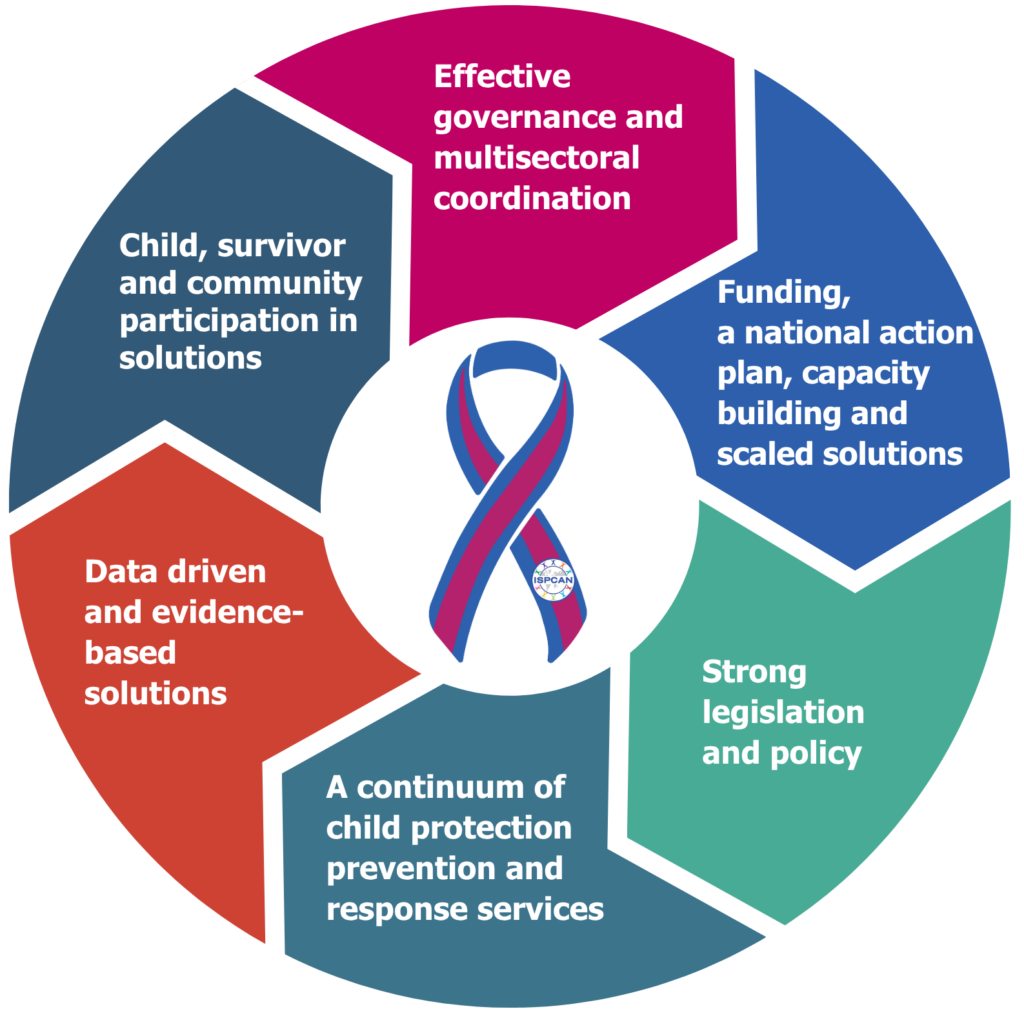
Particular attention will be given to multisectoral implementation. In most countries, INSPIRE interventions are delivered through existing sectoral systems—including health, education, social welfare, justice, law enforcement, and local government. Integration therefore does not require creating a separate INSPIRE delivery system but rather establishing shared outcomes, complementary interventions, coordinated pathways, and clear accountability across sectors.
Through brief presentations and audience discussion, participants will reflect on the barriers and enablers they have encountered in their own settings and consider what needs to change in the next phase of INSPIRE implementation. The session will highlight priority actions for strengthening the next generation of INSPIRE implementation: improving coordination and accountability, investing in the workforce, ensuring sustainable financing, adapting interventions without losing their effective components, scaling through existing systems, and measuring success not simply by activities delivered but ultimately by reductions in violence against children.