Search Suggestions

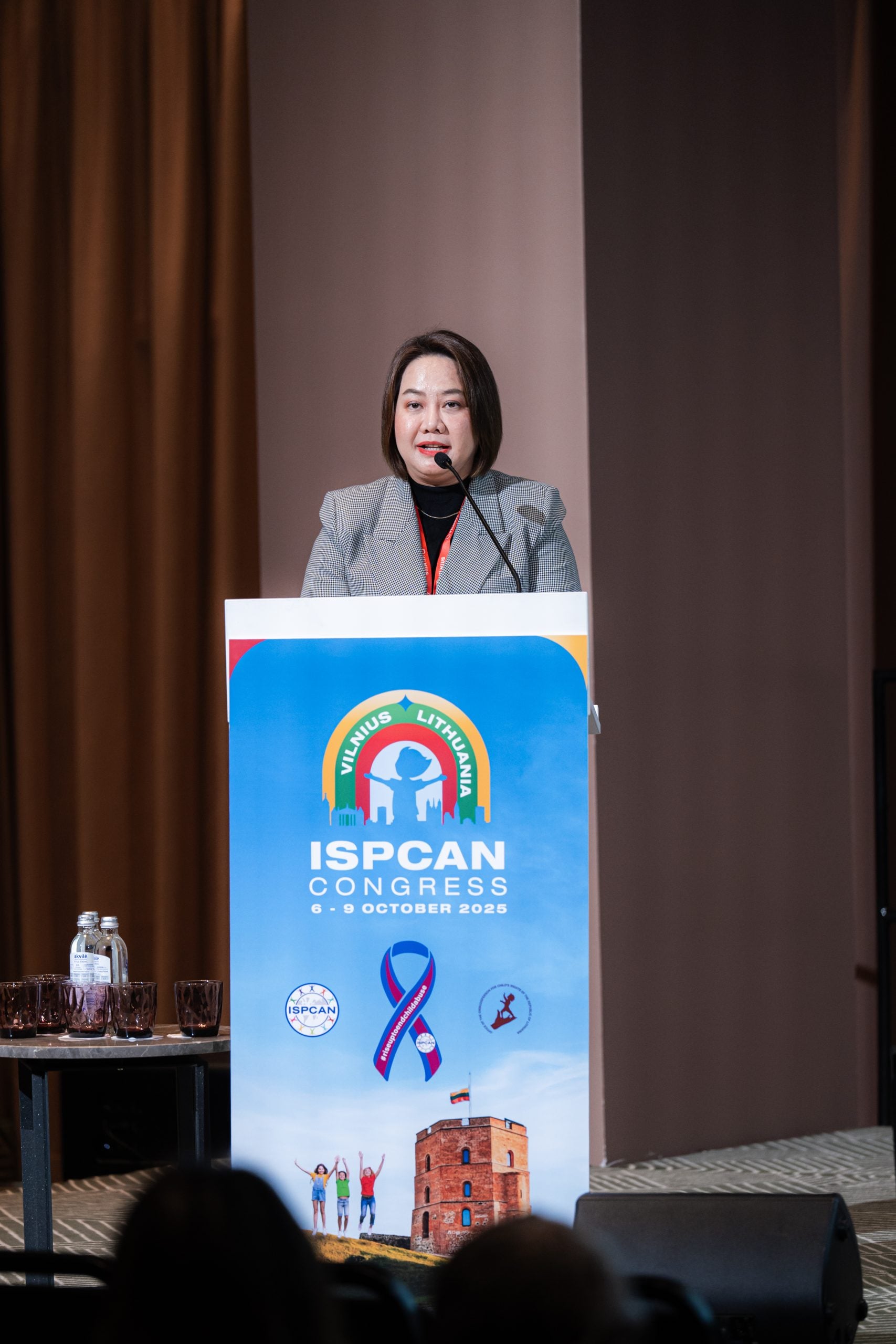
      Celebrating the ISPCAN Vilnius 2025 Congress

      October 6-9, 2025

      Logo for ISPCAN Vilnius Congress 2025

      Thank you for Joining Us in Vilnius.
      We Look Forward to Seeing You at ISPCAN Melbourne 2026!

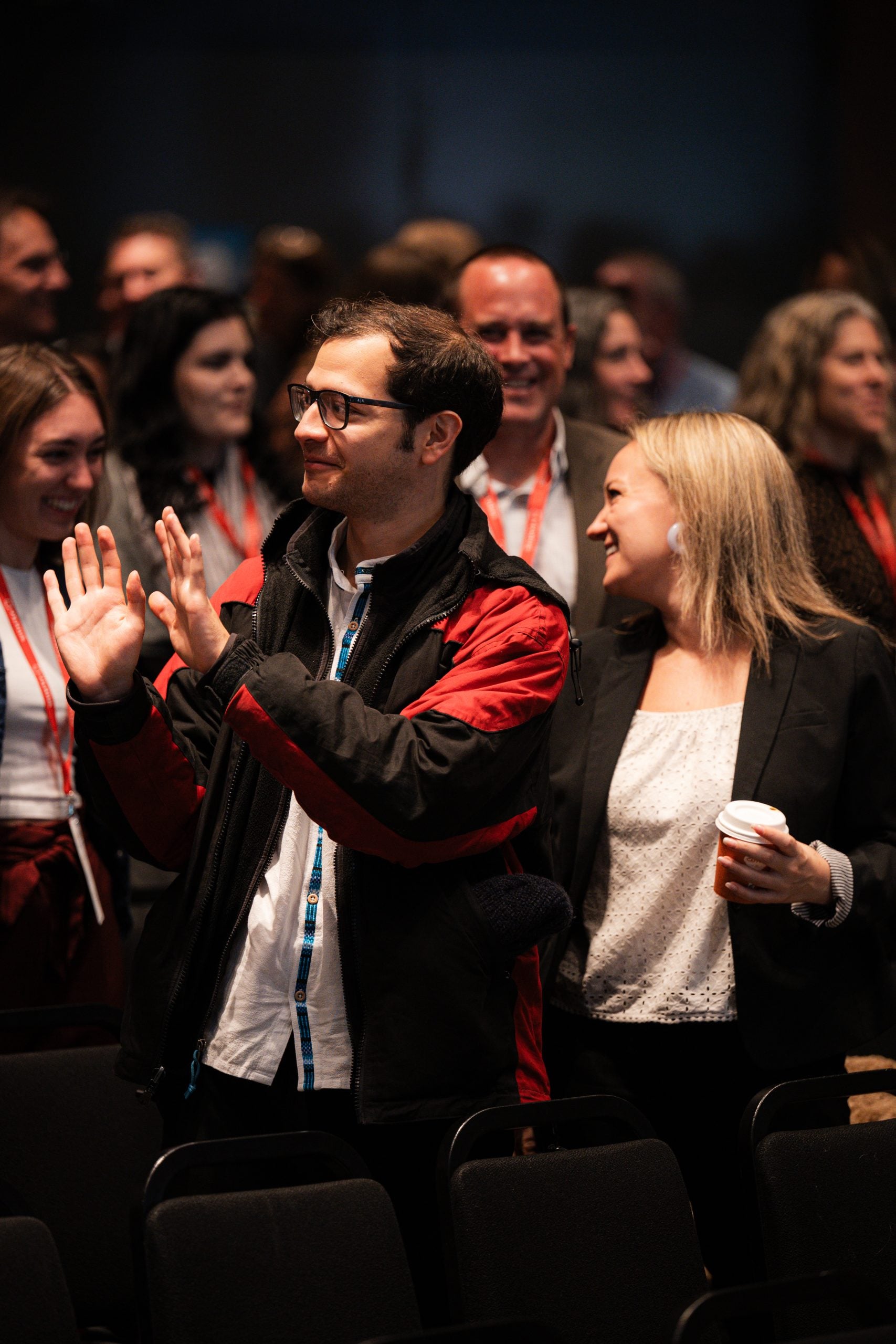
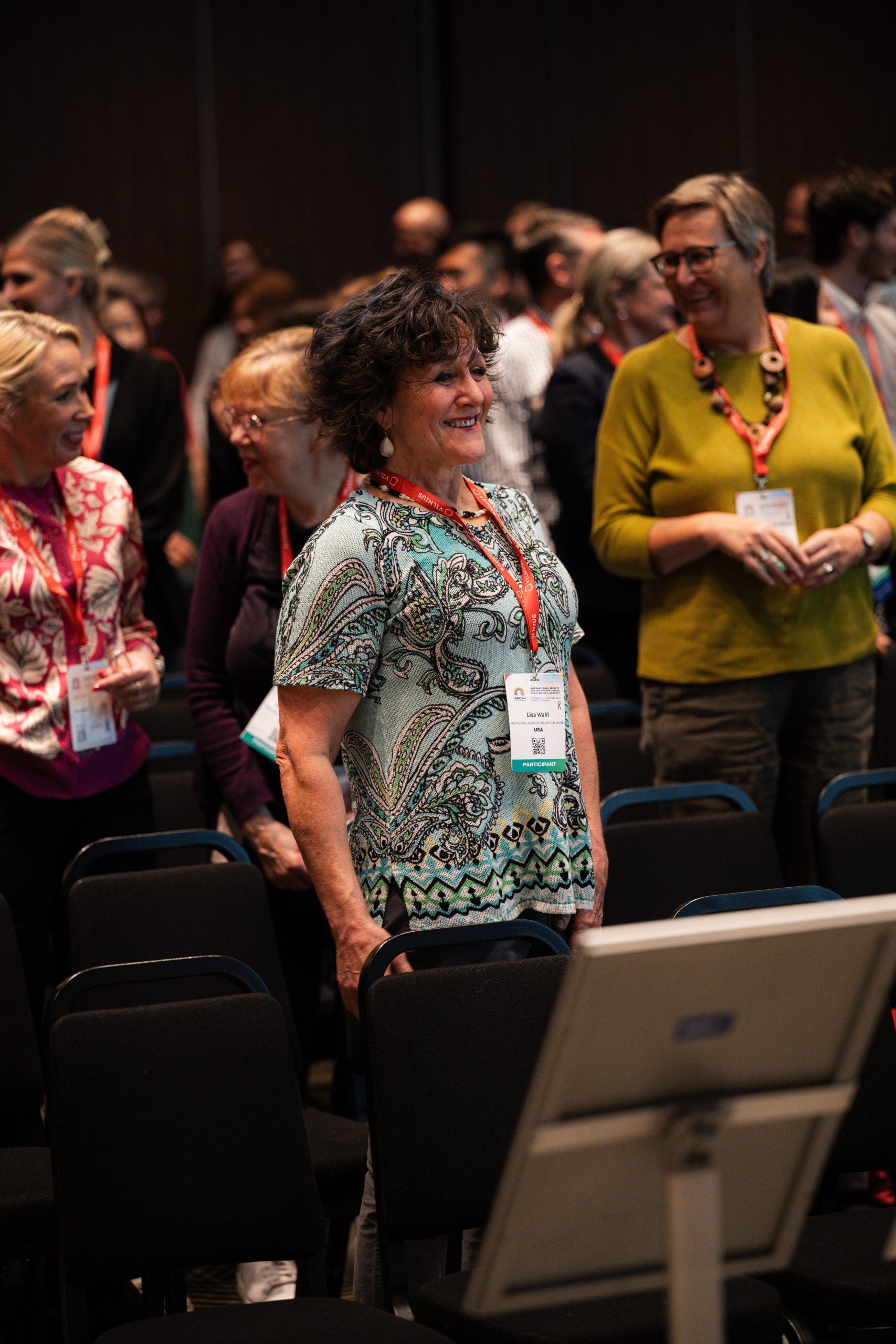
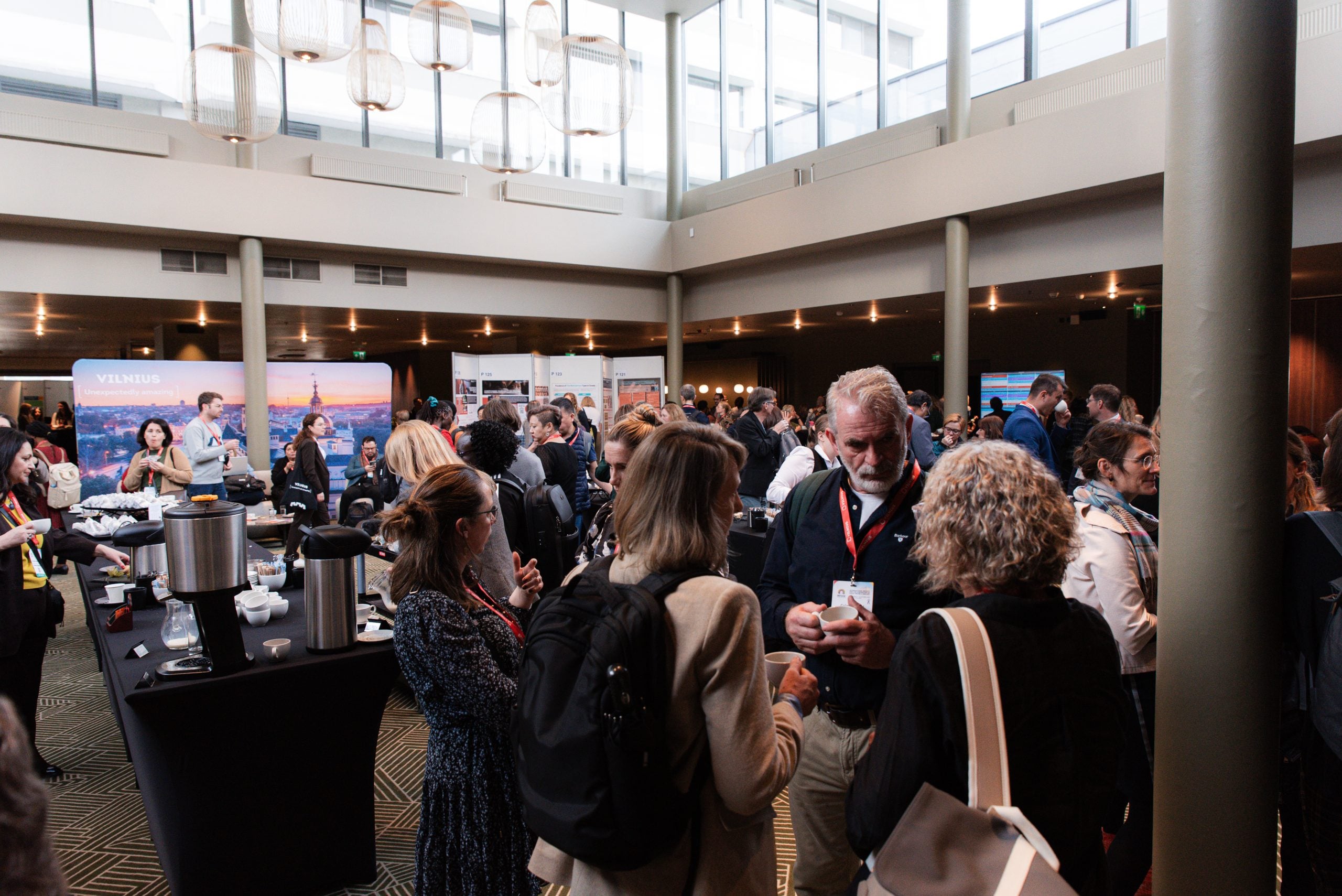
      Over the five days of learning, connection, and innovation in Vilnius, we had the privilege of bringing together professionals from over 80 countries and across more than 15 disciplines — all united by one shared goal: advancing child protection and well-being around the world. ISPCAN continues to build a global community of collaboration and shared purpose, both online and in person. We hope that here in Vilnius, you discovered new colleagues, new perspectives, and new inspiration — and that you return home with fresh ideas to strengthen your work and your networks.

      From all of us at ISPCAN and the Lithuanian local team at the Ombudsperson office and the University, we thank you for your presence, your passion, and your contributions. We extend our heartfelt appreciation to our keynote speakers, chairs, and session presenters for their thought-provoking insights and dedication. A special thank you to our partners, sponsors, and supporters, whose generosity and collaboration made this Congress possible.

      To our Organizing Team and Lithuanian hosts — your months of planning, hospitality, and care made this week a true success. We are deeply grateful for your hard work behind the scenes.  Our authors, practitioners, policy makers, governments and researchers have shared groundbreaking insights on practice, policy, public health, and research — all helping to raise the global standard for protecting children everywhere.

      As we close, we look ahead — to our next ISPCAN Congress in Melbourne, our “Huddle” events, and many ISPCAN member opportunities that continue this spirit of learning and multidisciplinary exchange. Together, we will continue to #RiseUptoEndChildAbuse, united as a global community taking action that makes a difference.

      Thank you once again for making the ISPCAN Congress 2025 in Vilnius such an inspiring success.  Each of you is a leader that can take home a spark of inspiration and ideas to push your work forward in new ways. You are not alone in this mission — together, we can and will create safer futures for children everywhere.

      With gratitude,
      Edita Žiobienė

      Ombudsperson for Child's Rights

      Independent State Institution of Lithuania

      Roma Jusienė

      Scientific Chair

      Vilnius Unversity Lithuania

      Logo for ISPCAN Vilnius Congress 2025

      Pragathi Tummala

      CEO

      ISPCAN

      Aby Casas Munoz

      Scientific Chair

      National Autonomous University of Mexico

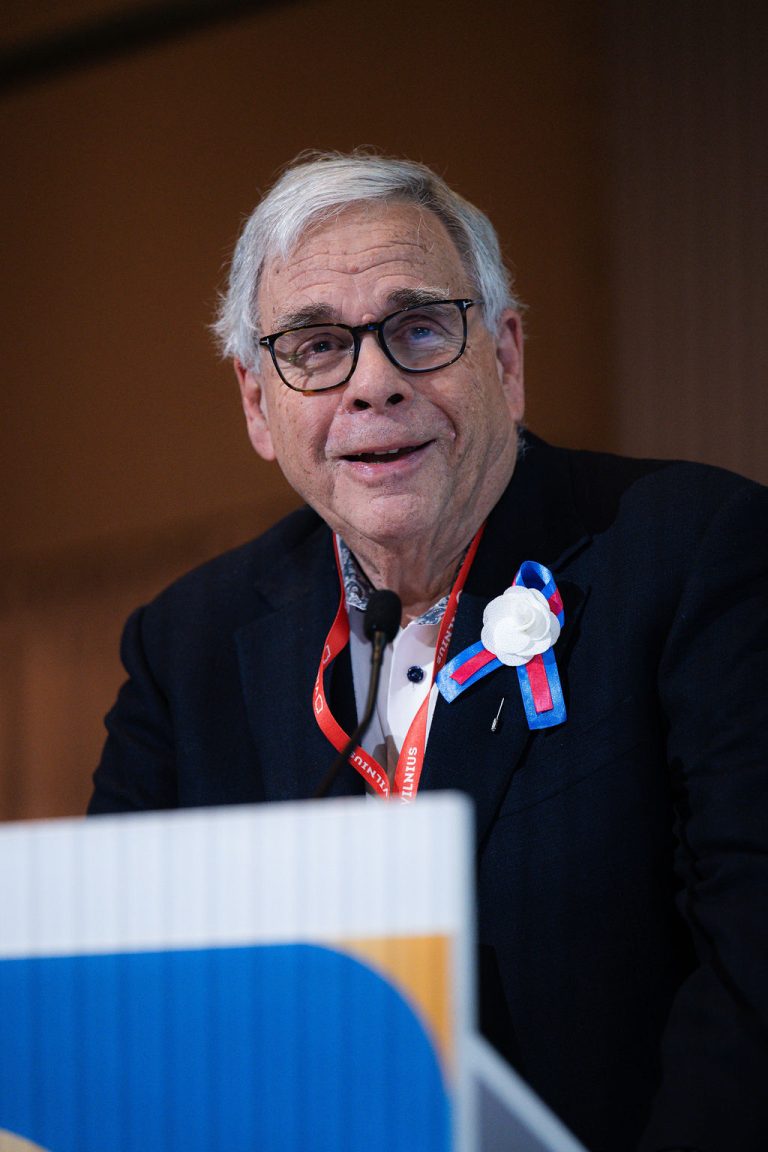
      Inspiring Keynote Speakers

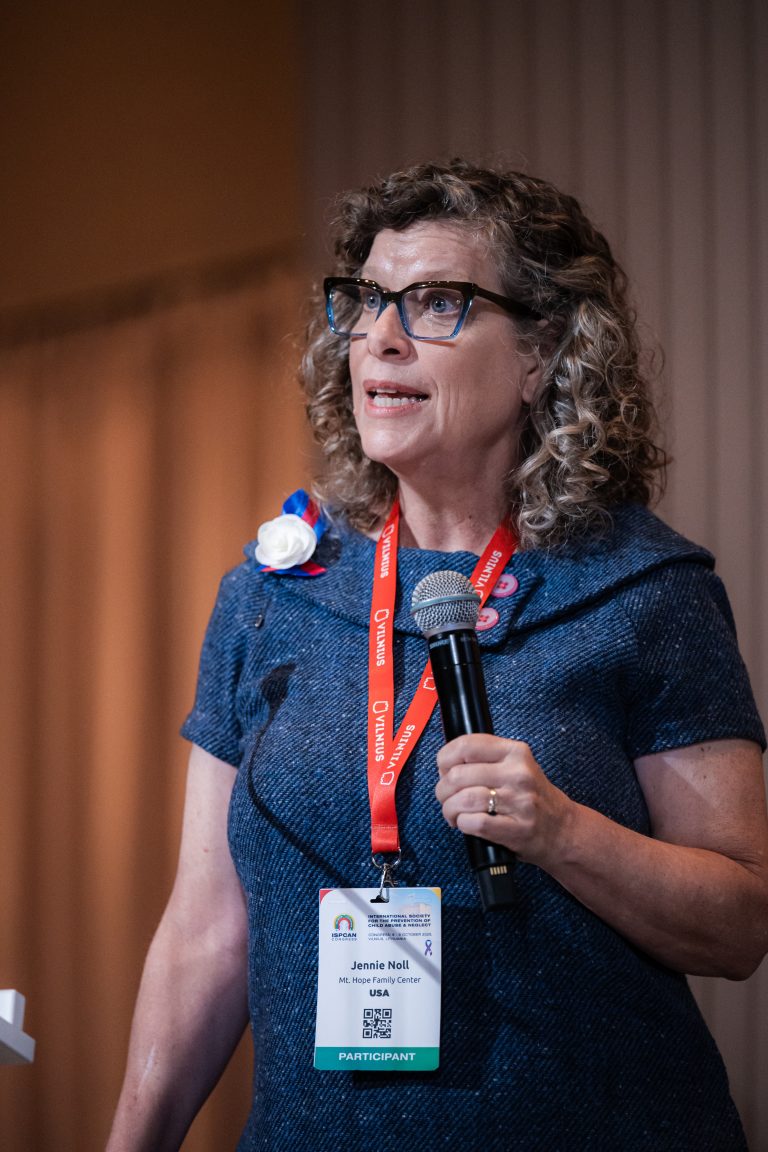
      Jennie Noll, PhD

      Professor, Department of Psychology Executive Director, Mt. Hope Family Center

      University of Rochester

      Keynote Title

      Preventing and addressing child abuse in this age of shrinking resources and support; A message of HOPE through science

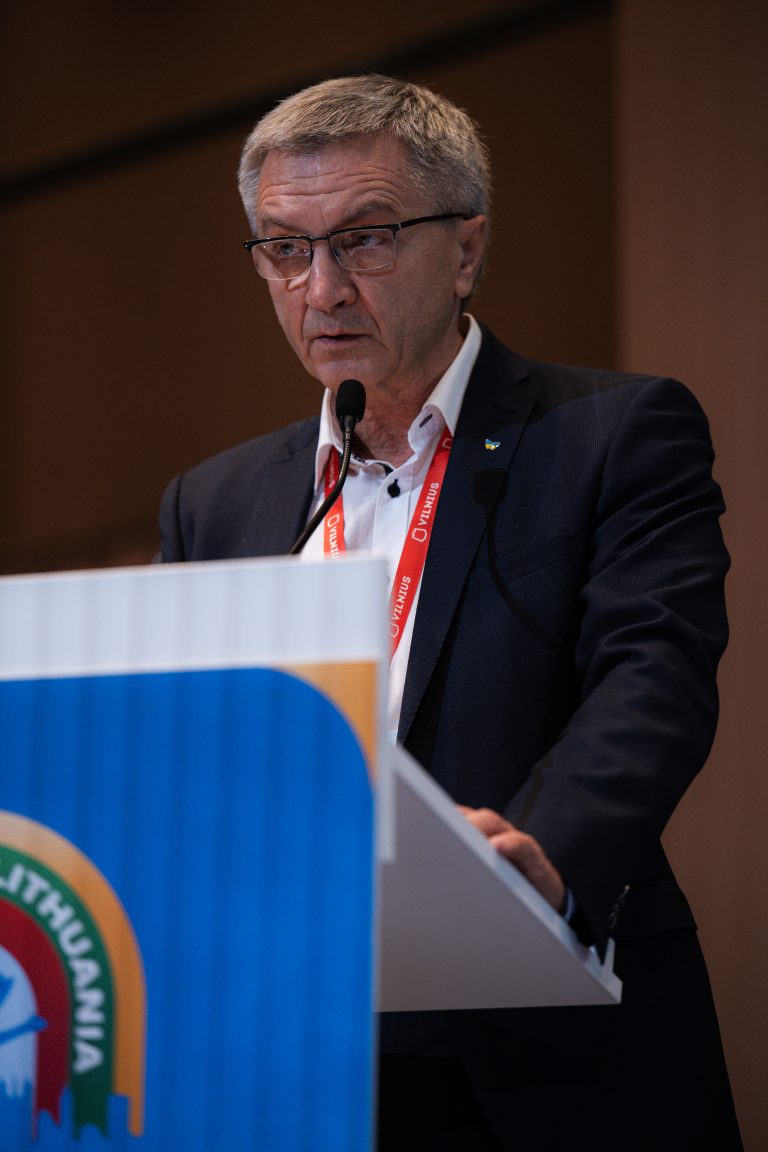
      Rimantas Kėvalas, MD, PhD

      Head of Department of Pediatrics of the Hospital of Lithuanian

      University of Health Sciences (LSMU) Kauno klinikos

      Keynote Title

      Helping abused children: Changes and challenges

      Jeremy Shiffman, PhD

      Bloomberg Distinguished Professor of Global Health Policy

      Johns Hopkins University

      Keynote Title

      National priority for and capacity to address child sexual abuse: Findings from a six-country research project

      Agnes von Maravić

      Head of the Children's Rights Division

      Council of Europe

      Keynote Title

      Children’s rights during war – Voices of children in Ukraine

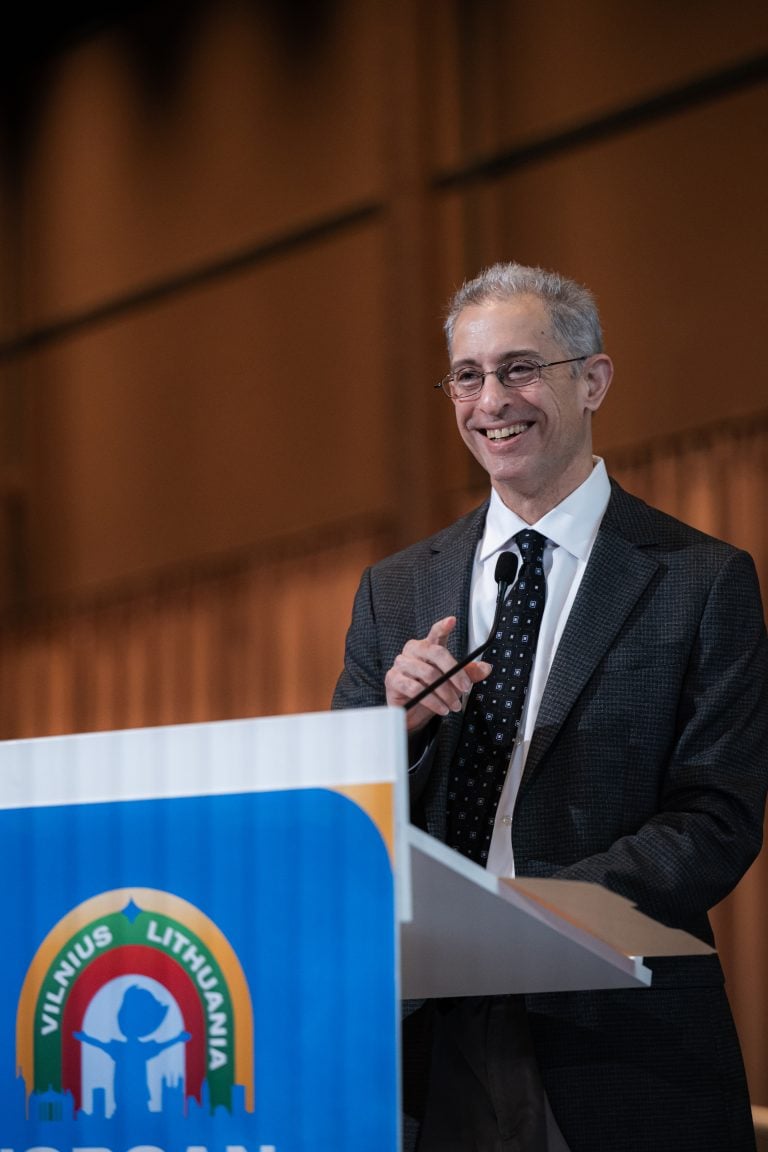
      Richard D. Krugman, MD

      Distinguished Professor of Pediatrics

      The Kempe Center for the Prevention and Treatment of Child Abuse & Neglect

      Keynote Title

      After a half century of effort, is it time for a “reboot”?

      John Carr, OBE

      Senior Expert Adviser to the United Nations (International Telecommunication Union)

      Keynote Title

      A long and winding road: The internet and threats to children

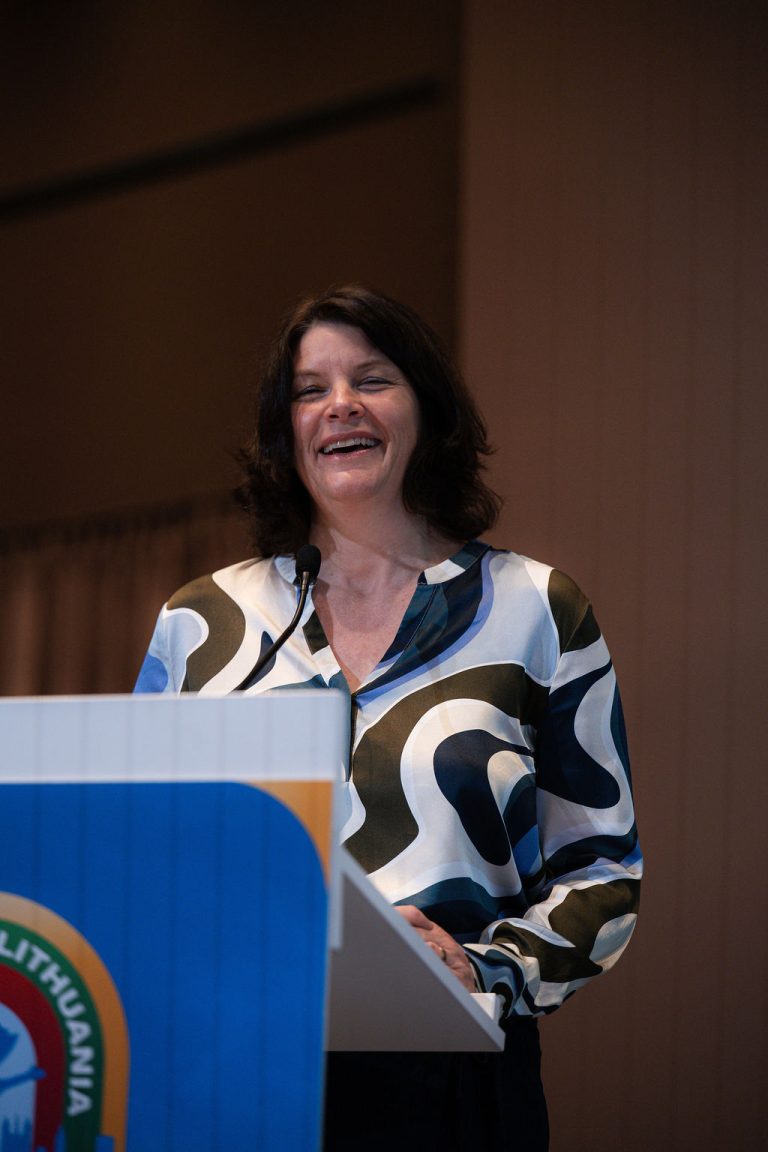
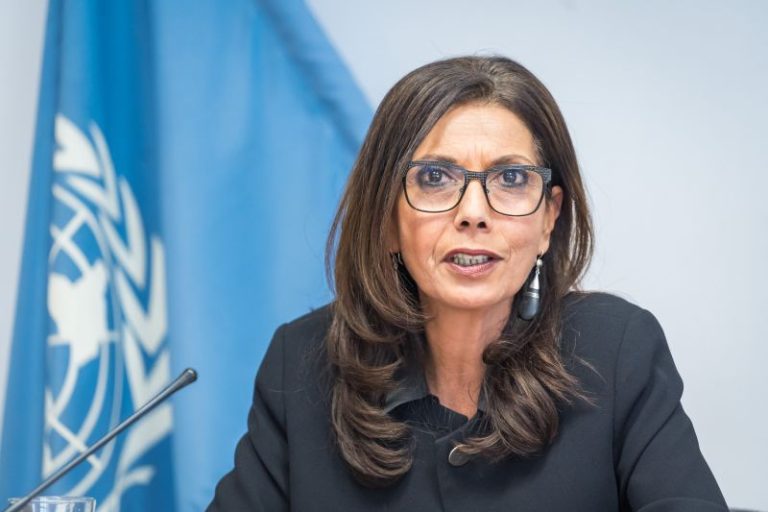
      Dr Najat Maalla M’jid

      Special Representative on Violence against Children for the United Nations

      Opening Remarks for the inaugural Rise Up Policy Forum

      This Impactful Congress Featured:

      • 95 parallel sessions
      • 628 submitted abstracts with 346 oral presentations from 280 speakers 
      • 7 Pre-Congress half and full day Working Group Sessions
      • 23 workshops
      • 20 symposia
      • 5 master classes
      • 2 multimedia presentation
      • 125 posters on-site

      Rise Up Policy Forum Brings Value and Delivers Change

      Youth Forum Presentation

      YOUNG HEARTS, GREAT STRENGTH

      In Lithuania, 1165 children shared their deepest wish – to feel less anger, less anxiety, less sadness and less of the heavy thought that they are “not enough”

      They try to cope through music, tears, silence, or by hiding what they truly feel.

      • But Children deserve more
      • They Deserve to be seen, heard and embraced
      • Because every feeling matters and every connection can heal

      Stay close. Give meaning. Empower through love.

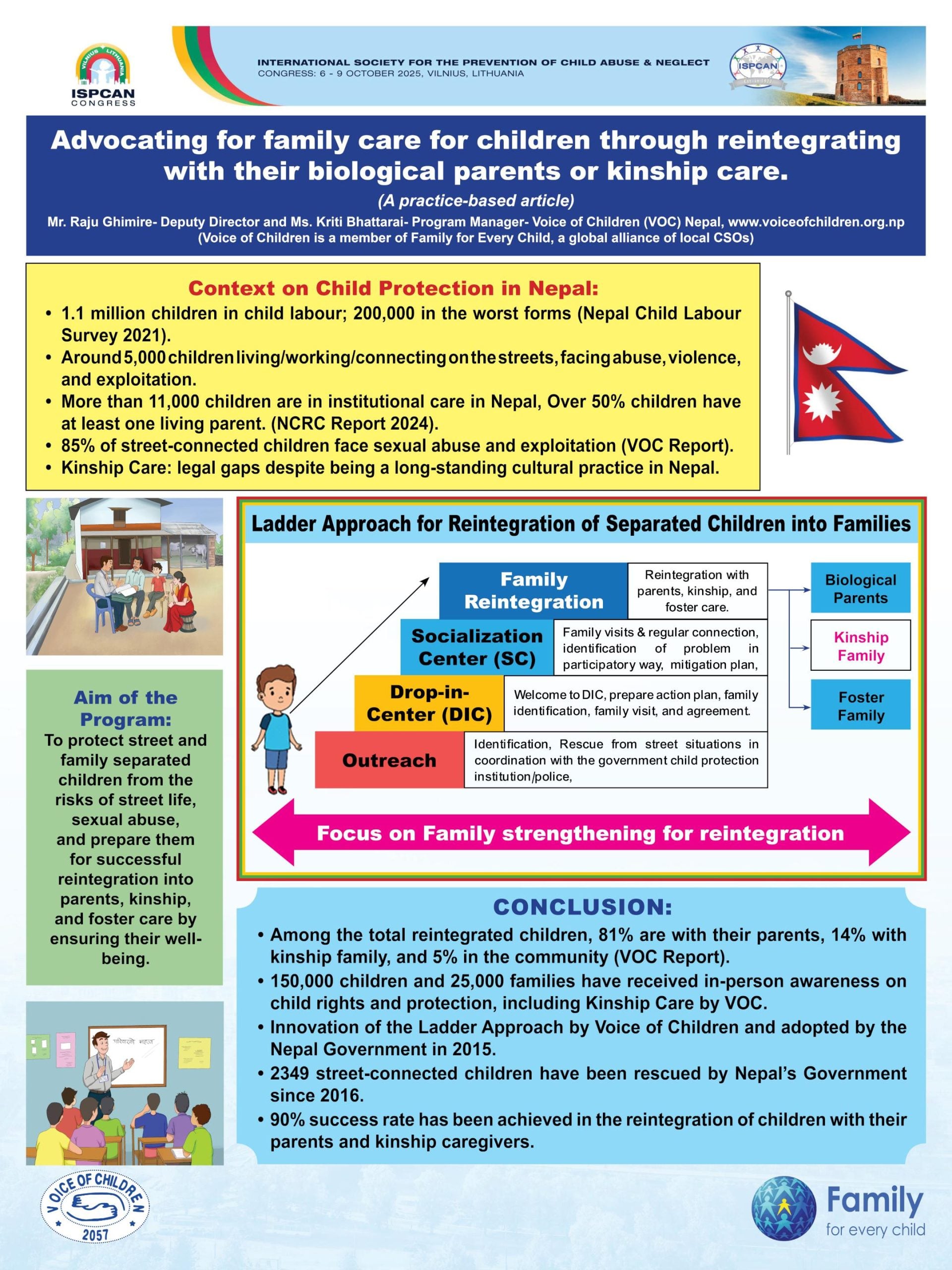
      Poster Winners

      1st Place

      Advocating for family care for children through reintegrating with their biological parents or kinship care

      Raju Ghimire

      2nd Place

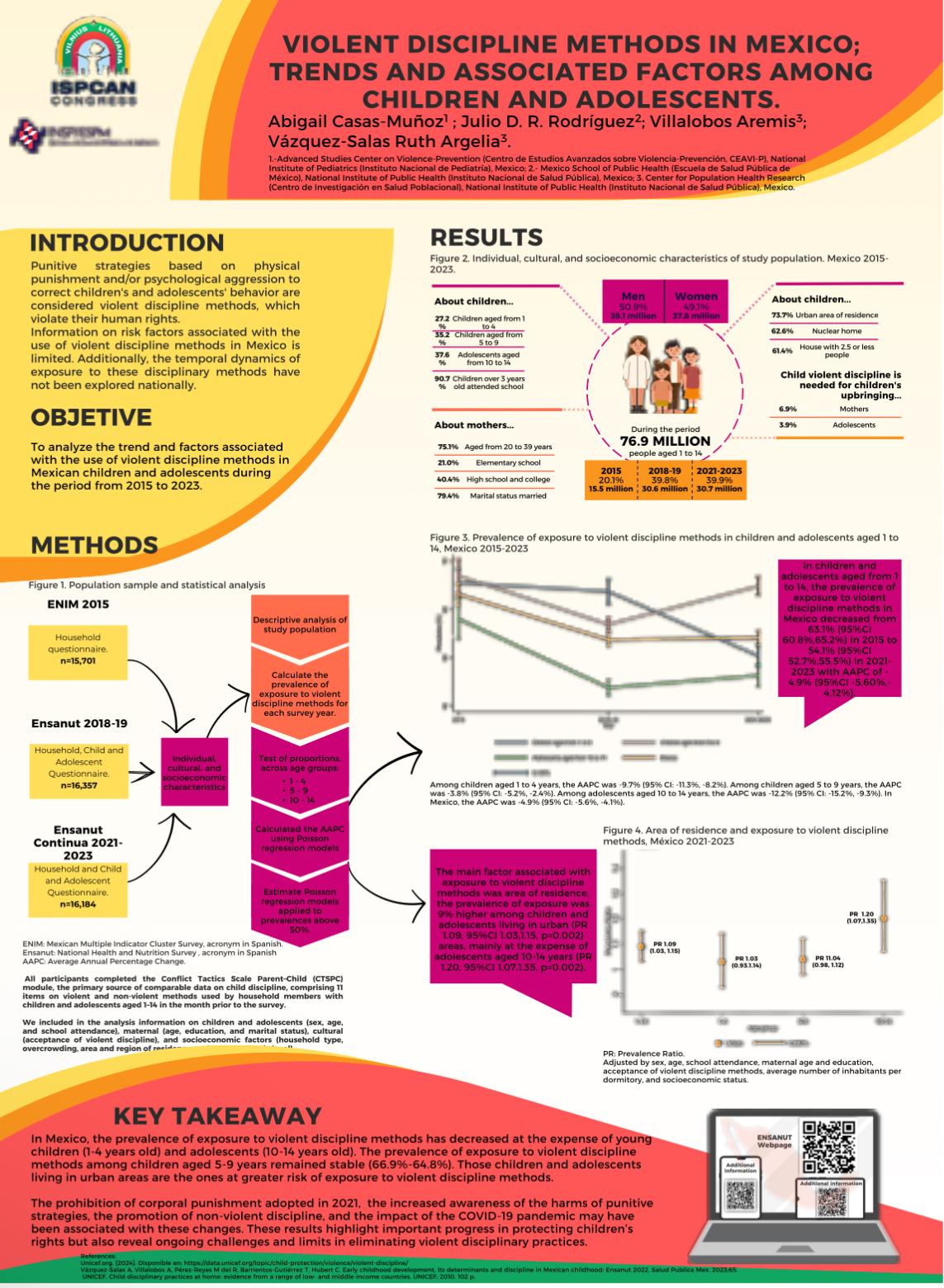
      Violent Discipline Methods in Mexico; Trends and Associated Factors Among Children and Adolescents

      Abigail Casas Munoz

      1st Place

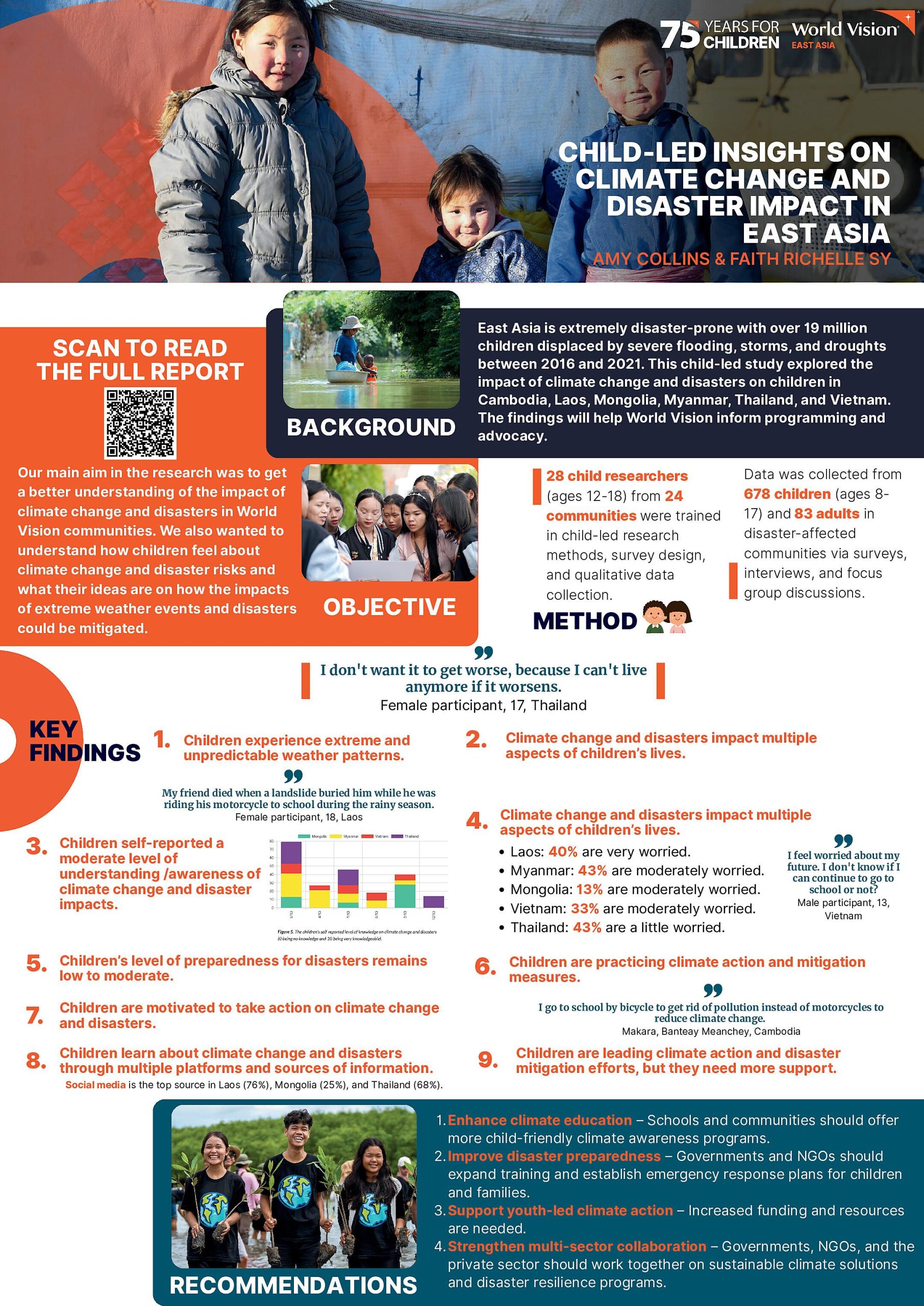
      Climate Change, Vulnerability and Migration: Impacts on children and youth in Southeast Asia

      Amy Collins

      Congress Theme: Child Wellbeing in a Changing Reality

      Empowerment of child victim / survivor

      • Ensuring the rights, needs and well-being of child victim, witness (seeing, hearing, understanding,
        recognizing, responding, guiding).
      • Preventing recantation, encouraging cooperation with child, ensuring support when legal process falls
        short.
      • Extra-Vulnerable Groups – children in foster care, LGBTQI+, children with disabilities, special
        needs, minority groups, street children, children on the move, runaway, etc.
      • Realizing the right to participate and be heard for child victim / survivor.
      • Children’s ethical, safe and meaningful participation in research.
      • Resilience and positive childhood experiences

      Child and Families lost between and within sectors and services

      • The intersection between systems: roles, responsibilities, barriers and solutions.
      • Gatekeeping in abuse and neglect situations.
      • Children in family crises (violence, abuse, maltreatment, divorces, etc.).
      • Circle of support for child and family and accountability of stake holders.
      • Balancing justice, support and well-being in child abuse and neglect cases: best practices for effective collaborative integration of legal, child rights protection and support systems, interdisciplinary and multi-agency collaboration models, etc.
      • Forensic interviews and forensic psychiatric, forensic psychological evaluations of a child (separate or complementary, mandatory processes, etc.).
      • Collaboration of sectors and building capacity of child protective services, law enforcement and other systems.

      Rethinking outcomes in victims / survivors of violence

      • Understanding the impact of neglect and different forms of violence and abuse on child and family –
        the role of the interdisciplinary approach.
      • Child-on-child abuse, victim – offender overlap.
      • Mental health outcomes in survivors of violence (addictions, self-harm, etc.).
      • Other short and long term outcomes of violence and abuse (health, socioeconomic, etc.).
      • Multiculturalism, multi-faithism, harmful practices (genital mutilation, child marriages, etc.).
      • Adverse childhood experiences, polyvictimization, and intergenerational abuse.
      • Trauma – informed and trauma transformative practice.
      • Innovative, effective and evidence-based solutions to mental health and other outcomes of violence and abuse.

      Safeguarding children through education and prevention – readiness to ensure child welfare

      • Children in formal education settings.
      • Children in non-formal education: religious, sports, culture, recreation activities.
      • Readiness for diversity.
      • Striving to overcoming bullying.
      • Comprehensive sexuality education – an essential part of good education.
      • Parenting and scale up of prevention programs.

      Child safety in a digital environment

      • Digital Childhood.
      • Impact of new technologies.
      • Children preparedness to respond to risks (cyber bullying, sexting, etc.).
      • Responsibilities of stakeholders in policy and practice.
      • Research questions, solutions and studies to understand and anticipate harms.
      • Child’s exploitation online (AI, child trafficking, grooming, sextortion, etc.).

      Evidence based approaches to prevent child abuse, neglect, and interpersonal violence

      • Measurement (tools and instruments, prevalence and epidemiology, etc.).
      • Prevention: primary (before happening), secondary (early detection and treatment), tertiary
        (preventing replication).
      • Examining the structures in place for child protective services system efficiency and effectiveness
        (government, NGOs, UN, etc.).
      • Quality improvement, system change, and capacity building in child protective services systems.
      • Research gaps and challenges.
      • Reporting, surveillance, evaluation of programs and outcome measurements.

      Relive the memories and see what you missed!

      Vilnius Debuted the Inaugural Rise Up Policy Forum

      Creating a new international community of practice for governments, policymakers, researchers, and practitioners: connecting the dots, learning together, and doing better.

      Key Objectives:

      • Advance Child Protection Policies: Promote the development and implementation of effective, evidence-based child protection policies grounded in public health principles at local, national, and global levels.
      • Foster a Community of Learning: Bring together policymakers, practitioners, researchers, survivors and youth leaders annually to co-create solutions and exchange best practices.
      • Integrate Research and Practice: Encourage alignment of data and research with practical applications to inform shareable data-driven solutions and enhance accountability.
      • Catalyze Regional Solutions: Develop context-specific, scalable strategies that address regional challenges and support sustainable, community-led change.
      • Resource Maximization and Sector Collaboration: Optimize use of resources and crosssector collaboration to assist governments in child protection prevention and response.

      Rise Up Policy Forum Sessions

      Advancing Lithuania’s Multi-sectoral Approach to Child Protection Across Three Ministries

      lithuania logo
      Ministry of Education, Science and Sport, Government of Lithuania
      lithuania logo
      Ministry of Social Security and Labour, Government of Lithuania
      lithuania logo
      Ministry of Health, Government of Lithuania

      Primary Pillar(s): Governance and multi-sectoral coordination , A National Action Plan, capacity building and scaled solutions

      Building the Investment Case for Ending Violence Against Children: The Investment Toolkit and an Example of Country Implementation

      SRSGVAC logo
      The Secretary General Special Representative on Violence Against Children
      Comissão Nacional Portugal
      National Commission for the Promotion of the Rights and the Protection of Children and Young People, Portugal

      Primary Pillar(s): A National Action Plan, capacity building and scaled solutions

      Safety Ambassadors: A Pioneering Policing Strategy Promoting Child Confidence and Safety Through Child Participation

      Dubai Police
      Dubai Police

      Primary Pillar(s): Child, survivor and community participation

      Achieving a Paradigm Shift in Addressing Child Sexual Exploitation: Transformative Preventative Policing Strategies

      ECPAT.Logo
      ECPAT
      DtZ-_-Wordmark-pay-off-2021-1-scaled (002)
      Down to Zero – SUFASEC partners
      logo-DSI-AI
      Department of Special Investigation, Thailand
      LOGO-EN-BLANCO-2
      Financial Intelligence Unit, Government of Peru

      Primary Pillar(s): Governance and multi-sectoral coordination , A National Action Plan, capacity building and scaled solutions

      Safe to Learn: A Breakthrough Approach to Ending Violence Against Children through Safe and Enabling Schools

      STL New logo-01
      Safe to Learn
      TfG Logo (horizontal)
      Together for Girls
      CGD-logo
      Centre for Global Development
      Coalition_for_Good_Schools_logo_vert (002)
      Coalition for Good Schools
      NCFA LOGO
      National Council for Family Affairs, Jordan

      Primary Pillar(s): Data and evidence, A National Action Plan, capacity building and scaled solutions

      Bridging the Gap: How Governments Can Lead with Vision, Evidence, and Practice to End Childhood Sexual Violence

      To Zero_logo_RGB
      To Zero
      SFH Logo
      Safe Futures Hub
      Kenya National Council of Justice
      National Council on the Administration of Justice, Republic of Kenya

      Primary Pillar(s): Data and evidence, A National Action Plan, capacity building and scaled solutions

      A Social Determinants Framework for Implementing the INSPIRE Technical Package for Ending Violence Against Children

      h-logo-blue
      World Health Organization
      Public Health Wales
      Public Health Wales

      Primary Pillar(s): Governance and multi-sectoral coordination , A National Action Plan, capacity building and scaled solutions

      Alumbra: Knowledge and Practice Community for the Prevention of Child Sexual Violence in Mexico

      logo early (002)
      The Early Institute, Mexico
      National Institute of Pediatrics Mexico
      National Institute of Pediatrics, Mexico

      Primary Pillar(s): A continuum of prevention and response services

      Building a Coordinated National System: Jordan’s Multisectoral Approach to Ending Violence Against Children

      NCFA LOGO
      National Council For Family Affairs, Government of Jordan
      Institute for Family Health
      Institute for Family Health, Jordan

      Primary Pillar(s): Governance and multi-sectoral coordination

      Pathway to Universal Access to Parent and Caregiver Support

      GISP logo_colour (002)
      Global Initiative to Support Parents
      WHO
      World Health Organization
      ECDAN-Logo_Color_Horizontal
      ECDAN
      PLH Logo_Primary full colour horizontal
      Parenting for Lifelong Health
      IRC Logo
      International Rescue Committee
      UNICEF Logo
      UNICEF

      Primary Pillar(s): Data and evidence, A National Action Plan, capacity building and scaled solutions

      Bridging Commitments and Implementation: Lessons in Scaling Parenting Support

      GISP logo_colour (002)
      Global Initiative to Support Parents
      WHO
      World Health Organization
      ECDAN-Logo_Color_Horizontal
      ECDAN
      PLH Logo_Primary full colour horizontal
      Parenting for Lifelong Health
      IRC Logo
      International Rescue Committee
      UNICEF Logo
      UNICEF

      Primary Pillar(s): A National Action Plan, capacity building and scaled solutions

      Sector Strategies to Align Evidence, Technology, and Policy

      Centre for Excellence in Child and Family Welfare
      Centre for Excellence in Child and Family Welfare, Australia
      ACF-logo Colour
      Australian Childhood Foundation
      KF LOGO - Lock Up - Stacked (002)
      Kids First Australia
      AnglicareVic_LOGO_HORZ_CMYK_PNG
      Anglicare Victoria
      impact-Initiative_primary_logo (002)
      Impact Initiative
      Victoria State Gov DTF black (002)
      Victoria State Government

      Primary Pillar(s): Data and evidence

      The Health Sector’s Role in Preventing and Responding to Violence against Children

      WHO HQ Logos
      The World Health Organization
      ministry-of-health-and-social-services-namibia-186085
      Ministry of Health, Government of Namibia
      vega-eng
      Violence, Evidence, Guidance, Action (VEGA) Project, McMaster University

      Primary Pillar(s): A National Action Plan, capacity building and scaled solutions, A continuum of prevention and response services

      Ensuring a Safe Future for Every Child: Harnessing the Power of Collaborative Engagement and Child Participation for a World Free of Child Labour

      Logo_TdH-NL_Light-Brown-RGB (002)
      Terre des Hommes Netherlands
      Republic of Kenya
      Ministry of Gender, Culture, and Children Services, Kenya
      Madagascar logo
      Ministère du Travail, de l'Emploi et de la Fonction Publique, Government of Madagascar
      serlogo_pms2765u (002)
      Social Economic Council, Netherlands

      Primary Pillar(s): Governance and multi-sectoral coordination , Child, survivor and community participation

      Investment with Impact – Multidisciplinary Collaboration in Cases Concerning Violence Against Children (Barnahus) with Country Examples

      Barnahus Network logo
      The Barnahus Network
      lithuania logo
      Ministry of Social Affairs, Family and Children, Lithuania
      Osnovni logotip Hiša color
      Barnahus Slovenia
      australian_centre_for_child_protection_logo
      Australian Centre for Child Protection
      CAC Resources
      CAC Resources, LLC

      Primary Pillar(s): Governance and multi-sectoral coordination , A continuum of prevention and response services

      The Case for Missingness of Children and Adolescents as an Adverse Childhood Experience

      MCE logo Black (002)
      Missing Children Europe
      EN Co-funded by the EU_POS (002)

      Primary Pillar(s): Governance and multi-sectoral coordination , Child, survivor and community participation

      Bringing Social Work to Bear for Child Well-being in Crisis, with Examples from Crisis-affected Countries

      IRC Logo
      International Rescue Committee
      global_social_service_workforce_alliance
      Global Social Service Workforce Alliance

      Primary Pillar(s): Governance and multi-sectoral coordination , A National Action Plan, capacity building and scaled solutions

      Family Resource Centres: A Low Cost, High Impact, Upstream Policy Strategy for Ensuring Children & Families Thrive

      IAFSN Logo Vertical 2024 (002)
      International Association of Family Support Networks
      Family Resource Centre Ireland
      Family Resource Centre National Forum, Ireland
      Govt-of-Ireland-Logo-
      Government of Ireland

      Primary Pillar(s): A continuum of prevention and response services, Child, survivor and community participation

      Bridging the Knowledge Triad: Integrating Data, Practice-Based Expertise, and Lived Experience to Strengthen Child Protection

      Together for girls Logo
      Together for Girls
      Brave_Movement
      Brave Movement
      SFH Logo
      Safe Futures Hub
      Kenya National Council of Justice
      National Council on the Administration of Justice, Government of Kenya

      Primary Pillar(s): Data and evidence, Child, survivor and community participation

      The Whole of Government Approach to Promoting Child Wellbeing in Uganda, with Introduction to the CPSS Framework for Action

      uganda ministry
      Ministry of Gender, Labour, and Social Development, Govt of Uganda
      Framework for Action logo
      CPSS Framework for Action Task Team

      Primary Pillar(s): Governance and multi-sectoral coordination , A National Action Plan, capacity building and scaled solutions

      Cultivating Change in Advancing Child Protection Systems in Somalia Through Collaborative Efforts and Coordinated Actions

      Somali Federal Republic Ministry
      Somali Federal Republic Ministry of Family and Human Rights Development
      Save-The-Children-logo-2048x1307
      Save the Children Somalia

      Primary Pillar(s): Policy and legislation, Governance and multi-sectoral coordination

      ISPCAN's Precongress Working Groups

      We brought together experts from around the world to work together on a specific aspect of child abuse and neglect and achieve the goals set forth by the group. The groups included participants from across multiple disciplines who met together and shared their expertise, resources, data, reports, and are working to build new tools together to address a gap. Visit the Working Group pages below to learn more about the Vilnius Congress sessions.

      Child Maltreatment Data Collection

      The goal for this group is to identify and share the key methodological approaches and findings and to explore areas of difference and comparability. The group seeks to include participants from a range of countries in order to represent a broad diversity of cultures, approaches to service delivery, languages, methodologies, and comparative data.

      N.E.X.T Network of Emerging eXpertise in child proTection

      ISPCAN NEXT is a supportive, global network of emerging child protection professionals. Equipping the next generation of global leaders in child protection with knowledge, connections, and tools to create a safer and more supportive world for children, now and in the future.

      Parenting and Scale-Up Working Group

      Our goal for this Working Group is to have a collective group of people collaborating, learning from one another and engaging to provide personal growth in your daily work. The Parenting Working Group will be moderated by Genevieve Haupt Ronnie and Saara Thakur from the Global Parenting Initiative

      Trauma Informed Care/Mental Health

      We are bringing together trauma-informed care and practices that would be beneficial to any community. The goal is to develop practical tools and resources that make providing mental health care attainable for children and families.

      Multi-disciplinary Collaborative Practice

      The Mission of this working group is to share ideas around collaborative practices, and best ways to expand collaboration across sectors, regions, and the world. Our goal is to have global responses to child abuse to benefit all children, regardless of geographic location and resources.

      Child Death Review Working Group

      Child Death Review (CDR) is a systematic process aimed at examining child fatalities to identify causes and implement preventive measures to enhance child safety and health. This working group is a community of practice shared learning for members to connect and build lines of communication with one another, share ideas, skills, research, resources, multiple perspectives, and new information regarding this topic.

      The Intersection of Schools and Child Protection

      The aspiration is that the group will enable sharing of research and professional knowledge from different countries, provide a global picture of how education systems deal with the phenomenon of child maltreatment in order to advance practice and policy in this field

      Child Safeguarding Working Group

      The Child Safeguarding Working Group is specifically focused on implementing preventative actions that ensure that all children and young people are protected from deliberate or unintentional acts that could lead to the risk of or actual harm. Thia group plays an important role in protecting children from harm, abuse, neglect, or exploitation

      Attendees Enjoyed Additional Congress Benefits

      Fun and Exciting Lithuanian Cultural Experience 

      Complimentary Congress Bags

      Free Educational Tours

      Social Networking

      Free Selfcare & Wellness Programs

      Free Welcome Reception

      View Vilnius Presentations

      Access the presentations until April 30th, 2026

      Only presentations and recordings from speakers who have granted permission for online publication are available.

      To log in, please use the email address used for your ISPCAN registration. The portal will send you a password to access the content.

      Access is restricted to registered ISPCAN participants only. Please do not share your login details with others.​

      If you experience any login issues, please contact us at registration@ispcan2025.org.

      Upcoming Congress

      ISPCAN Melbourne Congress Logo with dates of August 24-27, 2026

      Join Us In Melbourne

      August 24th - 27th, 2026

      Mark Your Calendar Abstracts open Nov 3, 2025

      • Free Pre-congress working groups addressing gaps (August 23rd) 
      • 3 Full Days of Innovative Research and Best Practice
      • Day 4: Rise Up Policy Forum
        (add on ticket – August 27th)

      Gold Sponsor

       
      SOS-Kinderdörfer weltweit joins ISPCAN as a strategic partner in 2025. For over 75 years, this international child rights organization has advanced children’s rights to safe, nurturing, and violence-free development –regardless of background, faith, or circumstances. Through evidence-based family strengthening, education, emergency response, and child protection programming, SOS-Kinderdörfer weltweit develops internationally recognized standards, policies, and interventions that are globally informed yet locally implemented. 
       

      Sponsors

      Local Partners

      Exhibitors